Skip to content
You can now search across every topic, entity and event.What's new
Iran Conflict 2026
10APR

Majlis approves Hormuz toll bill

2 min read
08:05UTC

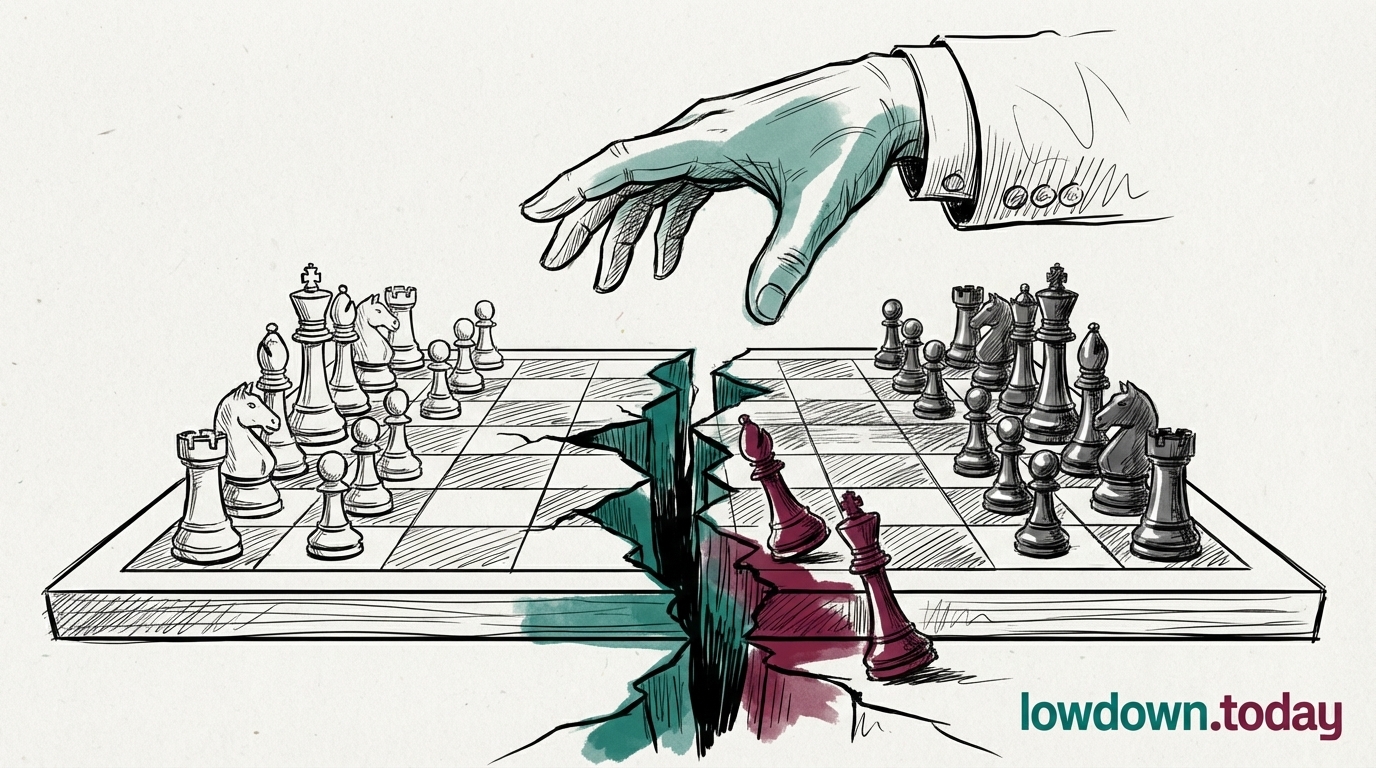
A key Majlis committee approved the Hormuz toll bill, advancing legislation that would permanently ban US and Israeli vessels and require fees in Iranian rial from all other shipping. Once codified, the toll becomes reversible only through domestic political process ; no future ceasefire can unwind it.

ConflictDeveloping
Key takeaway

Committee approval advances legislation that would make Hormuz's contested status a matter of Iranian domestic law, not merely military posture.

The Majlis committee approved the Hormuz toll legislation on 1 April, advancing a bill that permanently bans US and Israeli vessels from the strait and requires fees in Iranian rial from all other shipping. The bill had been drafted in parliament on Day 25, moved to committee stage on Day 32, and has now cleared committee. Full parliamentary vote, Guardian Council review, and presidential signature remain.

There is a fundamental difference between the IRGC imposing a toll because it controls a strait and the Iranian parliament enacting a law that makes the toll a statutory requirement. The first is a military fact reversible by military defeat. The second is a legal instrument reversible only by domestic political process. Iran had already demanded Hormuz sovereignty as a formal peace condition ; the legislation converts that negotiating demand into permanent law.

The bill bans US and Israeli vessels explicitly and requires fees in Iranian rial, forcing buyers to transact in a sanctioned currency. The NPT withdrawal bill is advancing on the same legislative track . Both bills are designed to survive any ceasefire: a ceasefire can stop the shooting, but it cannot repeal domestic Iranian legislation.

The IRGC's toll system had already been operating since around Day 12, with Chinese state ships paying and crossing . Codifying the practice into permanent law removes any ambiguity about whether a future Iranian government could unilaterally rescind it. If Trump withdraws in two to three weeks without securing this bill's reversal, the US leaves behind a legal architecture that makes Hormuz permanently contested.

Deep Analysis

In plain English

The Iranian parliament is voting on a law that would permanently charge ships money to use the Strait of Hormuz ; a narrow channel through which about one in five barrels of the world's oil passes. Right now, Iran is blocking the strait militarily during the war. This law would make that blockade permanent and legal under Iranian law, even after the war ends. American and Israeli ships would be banned outright. This matters because there is a big difference between Iran blocking the strait with soldiers, which can be reversed, and Iran blocking it with a law, which can only be reversed by Iran itself choosing to change the law.

Deep Analysis
Root Causes

The toll bill was drafted as a direct response to US and Israeli strikes on Iranian infrastructure. It converts an emergency military response into a permanent economic instrument, institutionalising the leverage Iran discovered it holds over global energy markets.

What could happen next?
  • Precedent

    First instance of a state attempting to codify transit fees for an international strait into domestic law, potentially triggering a global UNCLOS legal challenge.

    Long term · Assessed
  • Consequence

    A ceasefire that leaves the Hormuz toll law in place fails to address the economic cause of the oil price spike.

    Medium term · Assessed
  • Risk

    Guardian Council and presidential signature stages create multiple veto points, but each ratification stage makes repeal politically harder.

    Short term · Reported
First Reported In

Update #54 · Trump declares victory and withdrawal

Bloomberg· 1 Apr 2026
Read original
Different Perspectives
Qatar (mediator)
Qatar (mediator)
Qatari negotiators flew to Tehran on Sunday morning to close remaining gaps between the parties, operating as the primary shuttle channel. Qatar's role is to bridge the civilian-track gap the IRGC veto has left.
IAEA / Rafael Grossi
Grossi replied to Araghchi's 13 June protection-of-materials letter the same day, citing Iran's NPT Safeguards Agreement obligation to declare any nuclear material transfer. With 97 days of lost inspector access and approximately 240 kg unaccounted, Grossi has treaty text and no inspectors on the ground to enforce it.
United Arab Emirates
The UAE state oil company assessed full Hormuz flows will not resume until 2027 even with a fast deal, citing demining, inspection, and insurance timelines. The UAE ambassador to Washington said a simple ceasefire is not enough.
Islamic Revolutionary Guard Corps (IRGC)
The IRGC ran naval exercises in Hormuz during Geneva talks and its political deputy declared Iran was negotiating from a position of strength. The corps has not endorsed the MoU; by amplifying Mashhad protests through Fars, it is framing any deal as conditions it imposed rather than a concession it accepted.
Iran Foreign Ministry / Araghchi
Araghchi's dilute-in-Iran red line was met by the US concession, but his foreign ministry spokesman said Tehran had not taken a final decision and a signing might come in days, not Sunday. Araghchi separately wrote to the IAEA pledging to protect nuclear materials as dilution negotiations advanced.
White House / US negotiating team
Washington accepted dilution inside Iran rather than ship-out, its first substantive material concession in 106 days, the New York Times reported. With the White House register blank and the ceremony slipped a third weekend, the administration has moved its negotiating position without yet producing a document.