Skip to content
You can now search across every topic, entity and event.What's new
Iran Conflict 2026
10APR

Iran fires on 7 countries in retaliation

1 min read
08:05UTC

Iran fired dozens of ballistic missiles at Israel and at US military installations across seven countries on 28 February 2026 — the widest geographic spread of Iranian offensive missile use in history.

ConflictDeveloping
Key takeaway

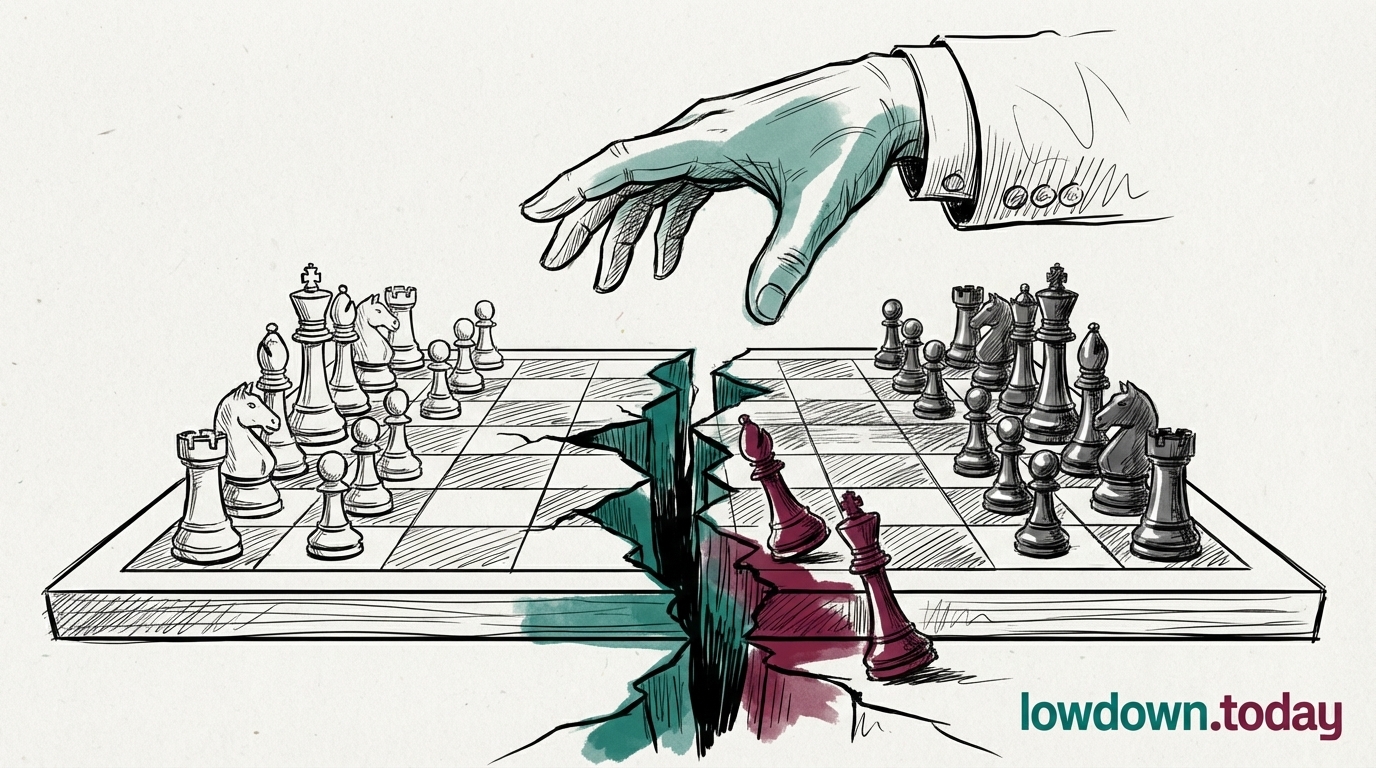
Iran's direct ballistic missile response across seven countries ends proxy-mediated deterrence as Iran's default posture and creates immediate US political obligations to respond.

Iran's decision to retaliate directly — rather than routing its response entirely through proxy forces — marks a change from the posture Tehran maintained through 2024 and early 2025, when Hezbollah, the Houthis, and Iraqi militias were used to maintain plausible deniability. Direct ballistic missile strikes on US military bases across seven countries remove that deniability entirely and signal that Iran has concluded the era of calibrated, deniable escalation is over.

The seven-country targeting demonstrates a pre-positioned strike capability that had been mapped and planned well in advance of 28 February. Iran's ballistic missile arsenal — including Fattah, Kheibar Shekan, and Emad variants — has sufficient range to reach US bases across The Gulf and the Levant. The simultaneous nature of the strikes suggests launch windows were coordinated to prevent interception assets in one country from being redirected to defend another.

Direct Iranian retaliation also forecloses certain de-escalation paths that proxies left open. When Iran uses proxies, it retains the option of claiming non-involvement and negotiating a pause. A direct ballistic missile attack on US military installations in seven countries creates a legal and political obligation on the United States to respond, regardless of damage levels. The strike's geographic breadth makes any US non-response politically untenable.

Deep Analysis

Deep Analysis
Escalation

Seven-country targeting creates simultaneous political and military crises across the Gulf, Levant, and potentially wider region — each host country faces Iranian retaliation risk regardless of whether it sanctioned the original US strikes, generating pressure for US force withdrawal requests that would weaken US regional posture.

What could happen next?
  • Meaning

    Short term · Assessed
  • Meaning

    Short term · Assessed
  • Meaning

    Short term · Assessed
First Reported In

Update #2 · Five cities struck on opening night

Bloomberg· 28 Feb 2026
Read original
Different Perspectives
Oil markets / Lloyd's of London
Brent fell to near $87.33 on 80 per cent deal-probability pricing, but Lloyd's has not de-listed Hormuz from its war-risk register and shipping diversions continue at 139 vessels. Insurance markets are lagging futures: physical risk remains while financial markets have spent the good news before the paper exists.
India
India
Modi is expected to raise the deaths of three Indian sailors in the 11 June CENTCOM strike on the MT Settebello with Trump at G7 sidelines, the first non-party leader to put the blockade's human cost into a formal bilateral. New Delhi is also a major Iranian oil buyer whose import volumes the sanctions-relief terms will govern.
Israel (Netanyahu)
Israel (Netanyahu)
Netanyahu stated Israel is not party to the deal on 12 June; Defence Minister Katz ruled out the Lebanon withdrawal Iran's draft demands, inserting a third blocker the US-Iran negotiating channel cannot resolve. Israel's position tethers Hormuz reopening to a Lebanon settlement Washington has not brokered.
Pakistan (mediator, Sharif/Naqvi)
Sharif declared a final agreed text on 12 June before either principal confirmed it, running two Tehran visits in under a week without securing a written IRGC or Khamenei response. Islamabad's incentive to claim a diplomatic win outpaces its standing to deliver either capital's signature.
Iran foreign ministry (Araghchi)
Araghchi declared digital signing within days while setting dilute-in-Iran as a non-negotiable red line on the 440.9 kg HEU stockpile, a standing Tehran position he cannot override without authorisation from Khamenei, reachable only by courier. The FM track is sprinting to close before the IRGC reasserts control.
Trump administration / CENTCOM
Vance called the deal still TBD on 12 June while CENTCOM downed Iranian drones over Hormuz for a second consecutive night and the White House register stayed blank. Washington holds the ship-out position on HEU and has not signed an Iran instrument in over 100 days of conflict.