Skip to content
You can now search across every topic, entity and event.What's new
Iran Conflict 2026
6APR

Treasury drops Turkish and Indian names

2 min read
09:43UTC

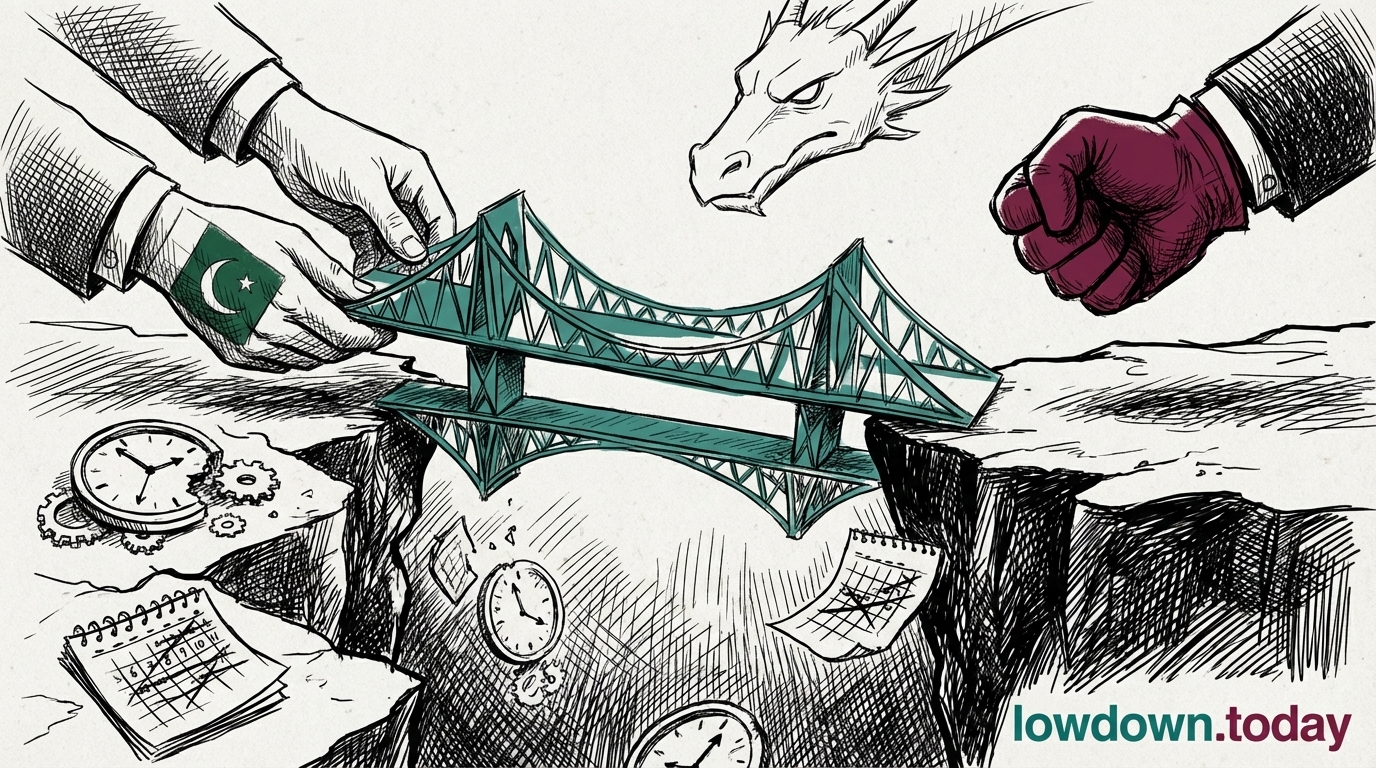
The US Treasury removed five Turkish entities, two Turkish individuals and four Indian companies from its Russia sanctions list on 1 July, giving no public reason.

ConflictDeveloping
Key takeaway

Sanctions relief nobody announces is relief nobody can be pressed to reverse.

The US Treasury removed five Turkish entities, two Turkish individuals and four Indian companies from the Russia sanctions list created by Executive Order 14024 on 1 July, publishing no reason for any of them 1. A comparable tranche had gone through a week earlier, on 24 June, covering seven individuals, two companies and two vessels 2.

No press release accompanied either action. The removals surface only by comparing successive versions of the specially designated nationals list, the register that tells banks, insurers and shipping brokers which counterparties they must refuse. Once a name leaves it, compliance departments worldwide stop blocking that counterparty within days, whatever Washington's stated policy remains.

Turkey and India are the two jurisdictions through which most re-exported Russian crude and dual-use goods have moved since 2022, which makes the choice of names harder to read as routine housekeeping. The delistings also land in weeks when no successor crude licence has been issued after the previous waiver lapsed unrenewed . Sanctions relief usually arrives as a negotiated concession, announced and traded for something. Here the easing is already operative and nobody has claimed credit for granting it, which leaves Kyiv and its European partners without a counterpart to lobby or a decision to contest.


Deep Analysis

In plain English

The US Treasury quietly removed 11 names, 5 Turkish entities, 2 Turkish individuals, and 4 Indian companies, from its Russia sanctions list on 1 July, following the removal of another 11 names (7 individuals, 2 companies and 2 vessels) on 24 June. No public announcement or explanation came with either change; the only way to spot it is by comparing the sanctions list before and after. This matters because it runs opposite to the general pattern of the war, where the US and its allies have mostly been adding names to sanctions lists, not quietly removing them.

First Reported In

Update #24 · Fedorov sacked as the front stands still

Global Sanctions· 19 Jul 2026
Read original
Causes and effects
Different Perspectives
Oil traders
Oil traders
Sent Brent down 2.29 per cent to $98.38 a barrel on reports that mediation was reviving, moving the price on CENTCOM's quiet night rather than on Trump's same-day promise of a bigger operation with no deadline attached.
Iran
Iran
An Iranian official called the same mediation account completely misleading, denying it received any US proposal via Baghdad on the same day Iraq denied delivering one, leaving neither denial able to settle what actually passed between the two capitals.
Iraq
Iraq
Called groundless the New York Times account that its prime minister carried a US ceasefire proposal to Tehran, a denial that also protects Baghdad's effort to avoid becoming a party to a war fought by aircraft it does not control.
OHCHR
OHCHR
Recorded 17 civilian seafarer deaths since the war began, a population neither the Pentagon nor Iran's Health Ministry counts in its own tally, and called for urgent action on 6,000 crew stranded across roughly 400 vessels in the Strait of Hormuz.
Houthis
Houthis
Enforced the blockade on Saudi-linked shipping it declared on 20 July by hitting the NCC Masa and then an Aramco facility at Jazan, moving from radio warnings to strikes on land after four days without a confirmed hit.
Saudi Arabia
Saudi Arabia
Struck Houthi military sites near Hodeidah the same day the NCC Masa was hit, while its coalition spokesman insisted Hodeidah, Ras Issa and Salif all remain open to navigation. The distinction protects the ports Yemen's population depends on for food and fuel even while punishing the group behind the tanker strike.



