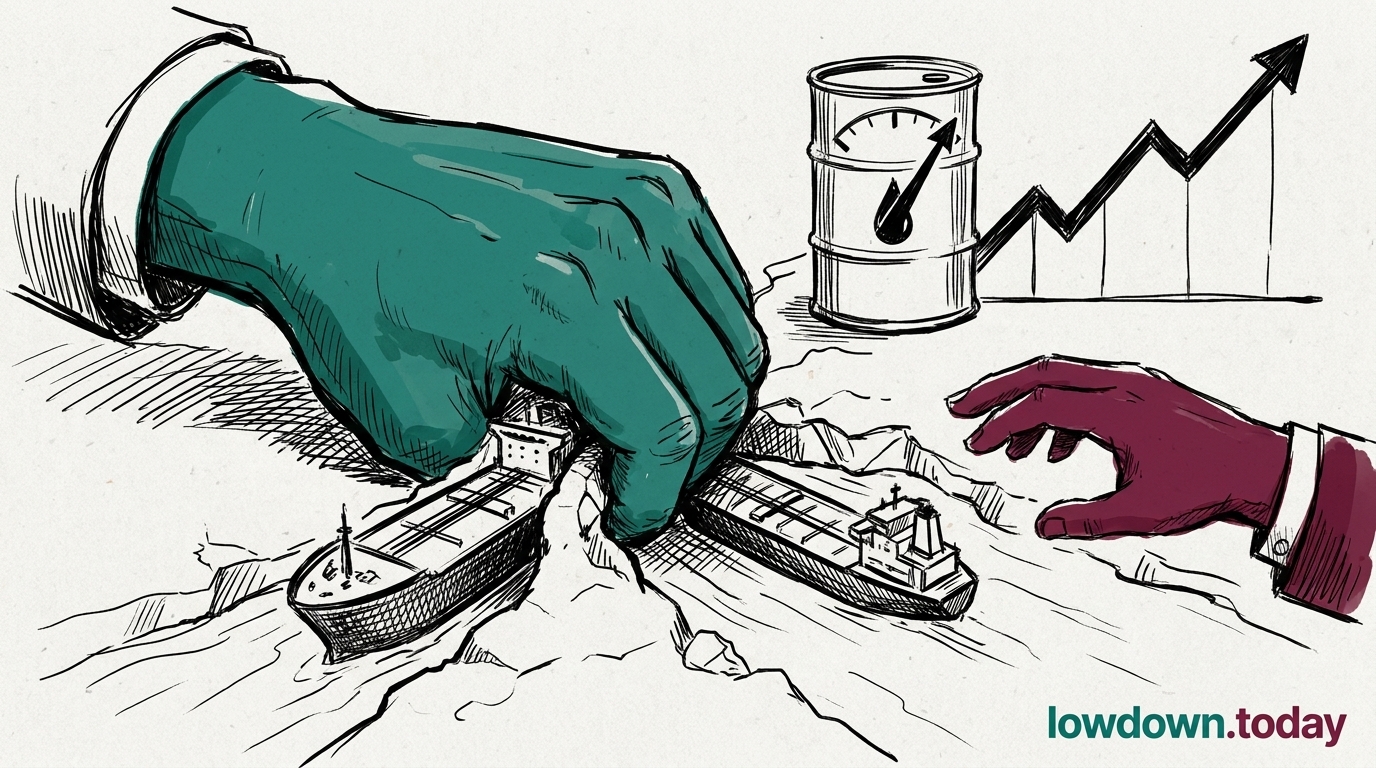
Lebanese President Joseph Aoun called for immediate talks with Israel to end the fighting, characterising Hezbollah's attacks as an attempt to draw Israel into direct confrontation with Lebanon as a state. The framing is the sharpest public fracture between Beirut's elected government and Hezbollah's parallel military command since the war began.
The line Aoun drew has a long history of being drawn and abandoned. Hezbollah is the only faction that retained its weapons after the 1989 Taif Agreement ended Lebanon's civil war, justified by resistance to Israeli occupation of the south — an occupation that ended in 2000. UN Resolution 1701, which concluded the 2006 war, required Hezbollah's disarmament south of the Litani River. It was never enforced. Aoun, a former Lebanese Armed Forces commander who took office in January 2025 after a two-year presidential vacancy, comes from the army's institutional perspective: the state holds the monopoly on armed force, and Hezbollah violates it. But the Lebanese Army has neither the capability nor the political mandate to disarm Hezbollah, and Aoun's call carries an implicit admission — Lebanon's government cannot stop the attacks it asks Israel to stop retaliating against.
Whether Israel treats this as an opening depends on a calculation it has never resolved: can Beirut deliver anything Hezbollah does not agree to? In 2006, the Siniora government participated in ceasefire negotiations but could not enforce the disarmament terms that followed. Israel's ground presence in five south Lebanese towns and its strikes inside Beirut's city centre — including Sunday's Ramada Hotel operation targeting Quds Force commanders — suggest the IDF treats the Lebanese state and Hezbollah as separate problems. One to negotiate with, eventually; the other to degrade by force. Aoun's call tests whether "eventually" has arrived, or whether Israel judges that Hezbollah must be weakened further before any Lebanese interlocutor has something to offer.