Skip to content
You can now search across every topic, entity and event.What's new
Iran Conflict 2026
3SEP

Grid strike deadline looms over Iran

2 min read
16:40UTC

The third energy ultimatum expires on 6 April with no extension announced. Previous deadlines were extended days in advance.

ConflictAssessed
Key takeaway

Enforcing the deadline fractures alliances; extending it again exhausts the threat.

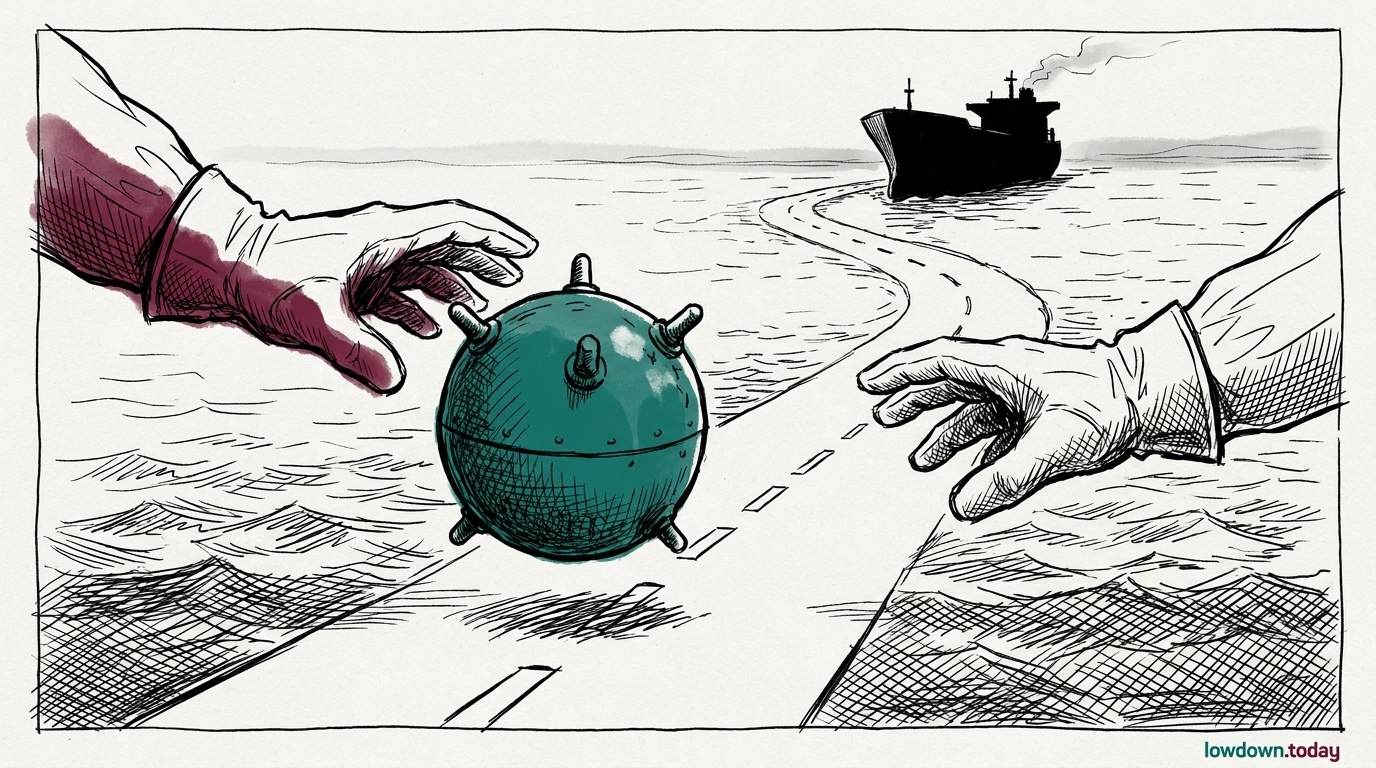
Trump's third energy deadline expires at 8pm EDT on 6 April . Iran must reopen the strait of Hormuz or face strikes on 15 identified power grid nodes, a scenario analysts project would leave Iran without electricity until 2027. No extension has been announced as of 4 April morning. Prior extensions came two to three days in advance. 1

The deadline arrives in a changed context. France and Japan just transited Hormuz by paying Iran. The US lost its first aircraft. Iran's Majlis voted 221-0 to suspend IAEA cooperation . The previous two deadlines (16 March, 23 March) were extended; the third was set for 6 April on 27 March. Each extension eroded the threat's credibility.

Three outcomes: grid strikes, a fourth extension, or quiet abandonment. Enforcing it now would require strikes against civilian power infrastructure while allies actively pay Iran for passage. Not enforcing it would confirm the deadline mechanism is spent.

Deep Analysis

In plain English

Trump has three times set a deadline for Iran to reopen the Strait of Hormuz or face strikes on its power grid. The third deadline expires on 6 April. The previous two were extended at the last minute. As of 4 April, no extension has been announced, but France and Japan just paid Iran to use the strait. If Trump enforces the deadline, he strikes civilian infrastructure while allies are doing deals with Iran. If he extends again, the threat stops meaning anything.

Deep Analysis
Root Causes

Each deadline extension was driven by allied pressure and the absence of a clear enforcement trigger. France, Germany, and the UK lobbied against grid strikes on civilian infrastructure at each previous extension.

The Pakistan-Vance back-channel before Kharazi's wounding provided a diplomatic off-ramp that justified delay. Neither factor has been resolved; both have worsened as France and Japan's transits signal the collective posture is already broken.

What could happen next?
  • Risk

    Grid strikes on civilian power infrastructure would trigger a European and UN response that fractures remaining alliance support for the campaign.

    Immediate · High
  • Consequence

    A fourth extension would confirm the deadline mechanism is exhausted, removing coercive pressure on Iran permanently within this conflict.

    Short term · High
  • Opportunity

    Quiet abandonment of the deadline, without announcement, could allow face-saving de-escalation if paired with a back-channel ceasefire signal from Pezeshkian.

    Short term · Low
First Reported In

Update #58 · First US aircraft fall over Iran

CNBC / Al Jazeera / NPR· 4 Apr 2026
Read original
Different Perspectives
China's foreign ministry
Spokesman Lin Jian rejected Treasury Secretary Scott Bessent's 25 August warning that Iranian oil buyers face an "economic D-Day", saying sanctions do not help and that Beijing would safeguard its own rights and interests. China's Iranian crude imports had already halved for unrelated reasons.
Iraq's government and Erbil authorities
Erbil authorities said 10 explosive-laden drones were shot down over the city on 1-2 September with no casualties. Iraq's government condemned the attacks without naming Iran as their source, and neither Washington nor Baghdad confirmed the IRGC's claim to have hit US bases there.
Bahrain Defence Force
The General Command said air defences intercepted several Iranian missiles and drones on 1-2 September and called the use of such weapons against civilians and private property a flagrant violation of international humanitarian law.
Kuwait's Fire Force and foreign ministry
KUNA reported a hostile Iranian drone struck a residential complex in Kuwait City on 2 September; Fire Force spokesman Brigadier General Mohammad Al-Gharib said losses were confined to property. Kuwait's foreign ministry called the attack a clear breach of its sovereignty.
Jordan's Armed Forces
Petra carried a statement that air defences intercepted eight missiles violating Jordanian airspace early on 31 August and 10 of 13 fired on 1 September. The statement named no target and did not address the IRGC's claim to have struck Camp Titin and killed US personnel.
CENTCOM
CENTCOM
CENTCOM's 1 September target list named IRGC air defence, radar, maritime and mine-laying sites in Iran but no tanker, after Axios reported anonymous officials describing a Trump-approved "tanker for tanker" drone policy. A CENTCOM spokesman declined to confirm the policy and referred questions to policymakers.