Skip to content
You can now search across every topic, entity and event.What's new
Iran Conflict 2026
20AUG

Hormuz transits rise to an eighth of normal

2 min read
16:36UTC

Lloyd's List Intelligence counted 84 weekly transits through the Strait of Hormuz on 7 August, up from 45. A normal week carries more than 700.

ConflictDeveloping
Key takeaway

Hormuz traffic doubled to a level still far below a working waterway.

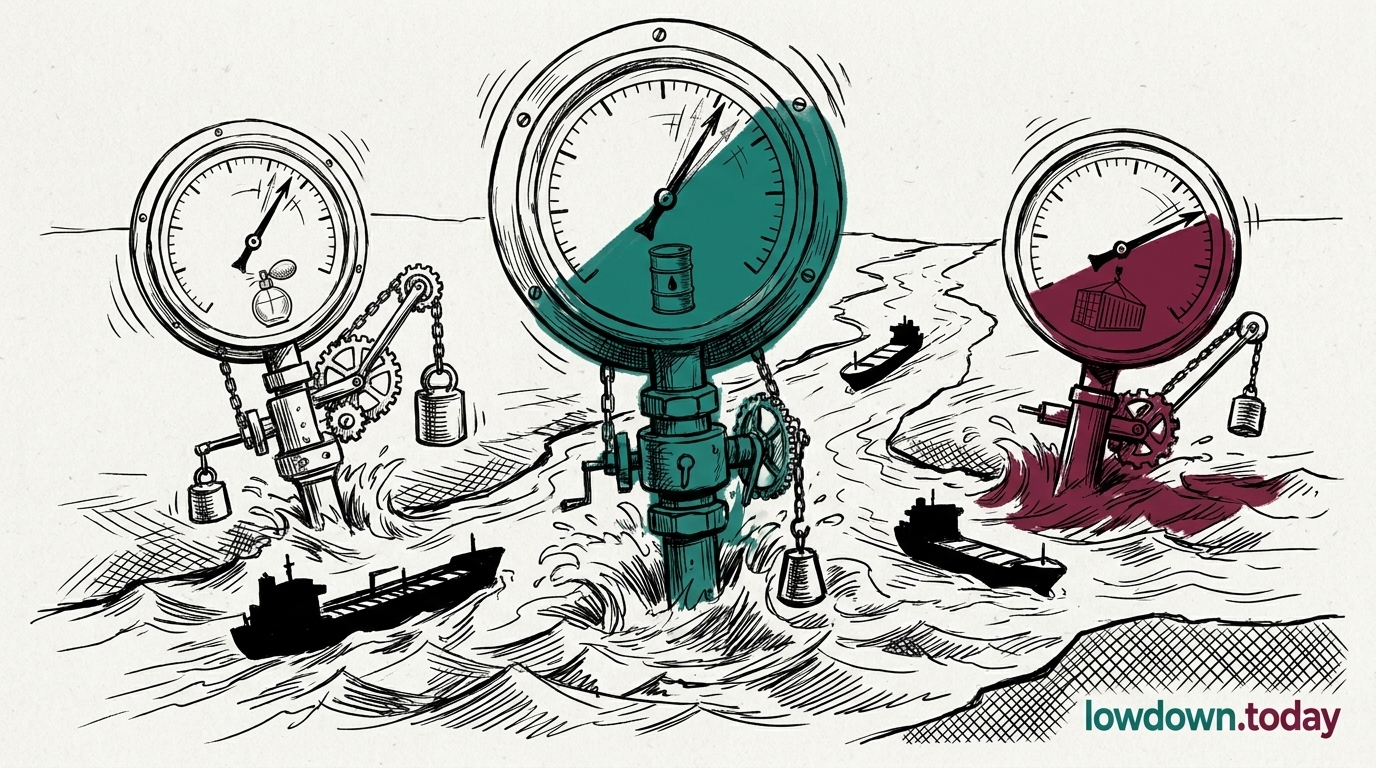
Lloyd's List Intelligence counted 84 vessel transits through the strait of Hormuz in the week to Friday 7 August, up from 45 the week before, in figures relayed by the Associated Press 1. A normal week carries more than 700.

Three independent trackers had already put crossings at about 15% of normal on 24 July , so the rebound restores a fraction of a fraction. War-risk underwriters price off demonstrated passages rather than announcements, and two counts this low both sit inside the noise band of a chokepoint that usually moves a hundred vessels a day. A doubling gives them a second data point, not a trend.

Lloyd's List has not published the split between tankers, gas carriers and general cargo. Energy trade resuming would show up in that breakdown; a return of general cargo would mean something much smaller. Without it, the rise cannot be read either way.

Charterers cannot fix a voyage against a route with no published text, which means the extra crossings most likely reflect operators who had already accepted the risk rather than new entrants coming back. If next week's count falls towards July's levels, this one reads as convoy movement rather than recovery.

Deep Analysis

In plain English

Shipowners weigh risk to the vessel, crew, cargo and insurance before they enter the strait. Their decisions determine the traffic count. The number almost doubled in one week, but 84 ships is still far below the more than 700 that normally cross. The route remains badly constrained.

What could happen next?
  • Consequence

    The count shows more movement than the preceding week but no return to normal shipping capacity.

  • Risk

    Further incidents or unclear route rules may stop the recovery before tankers resume normal schedules.

First Reported In

Update #168 · Iran replaces the man who set its terms

Associated Press· 11 Aug 2026
Read original
Different Perspectives
UK Maritime Trade Operations
UKMTO logged six armed men boarding a tanker 136 nautical miles east of Al Mukalla on 20 August and redirecting it toward Somalia. A vessel steered toward the Somali coast reads as an attempted seizure, a distinct hazard from the stand-off strikes the same lane has seen before.
Mohammad Bagher Ghalibaf
Iran's Majlis speaker received Iraq's Hormuz carve-out request in Baghdad on 19 August, a request that treats passage as Tehran's to grant. Ghalibaf's authority over that grant sits alongside the Revolutionary Guard's separate transit rules, which have moved independently of Iran's foreign ministry before.
Haibat al-Halbousi
Haibat al-Halbousi
Iraq's parliament speaker asked Iran for special consideration on Iraqi Hormuz oil exports during Ghalibaf's 19 August Baghdad visit. Iraq presses the request from a weak position: Iran's central bank is simultaneously demanding Baghdad release Iranian reserves parked in Iraqi accounts.
Federal Department of Economic Affairs, Education and Research
Switzerland's economics ministry updated the Article 21 forms governing lawful Iran money transfers on 19 August, with only the revised forms accepted from 26 August. Bern operates one of the few remaining legal Iran payment channels and has just set a hard cutover on its control point.
Motegi Toshimitsu
Motegi Toshimitsu
Japan's foreign minister said in Muscat on 20 August that Tokyo wants closer coordination with Oman on safe Hormuz and Bab el-Mandeb passage. Japan has no naval presence of its own in the strait, so it is routing the ask through the state negotiating with Iran instead.
Badr bin Hamad Al Busaidi
Oman's foreign minister joined Japan's in Muscat on 20 August to call for intensified coordination on Hormuz and Bab el-Mandeb navigation. Oman also runs the mediation track with Tehran, so the appeal travels through the same channel as the negotiation.