Skip to content
You can now search across every topic, entity and event.What's new
Iran Conflict 2026
12AUG

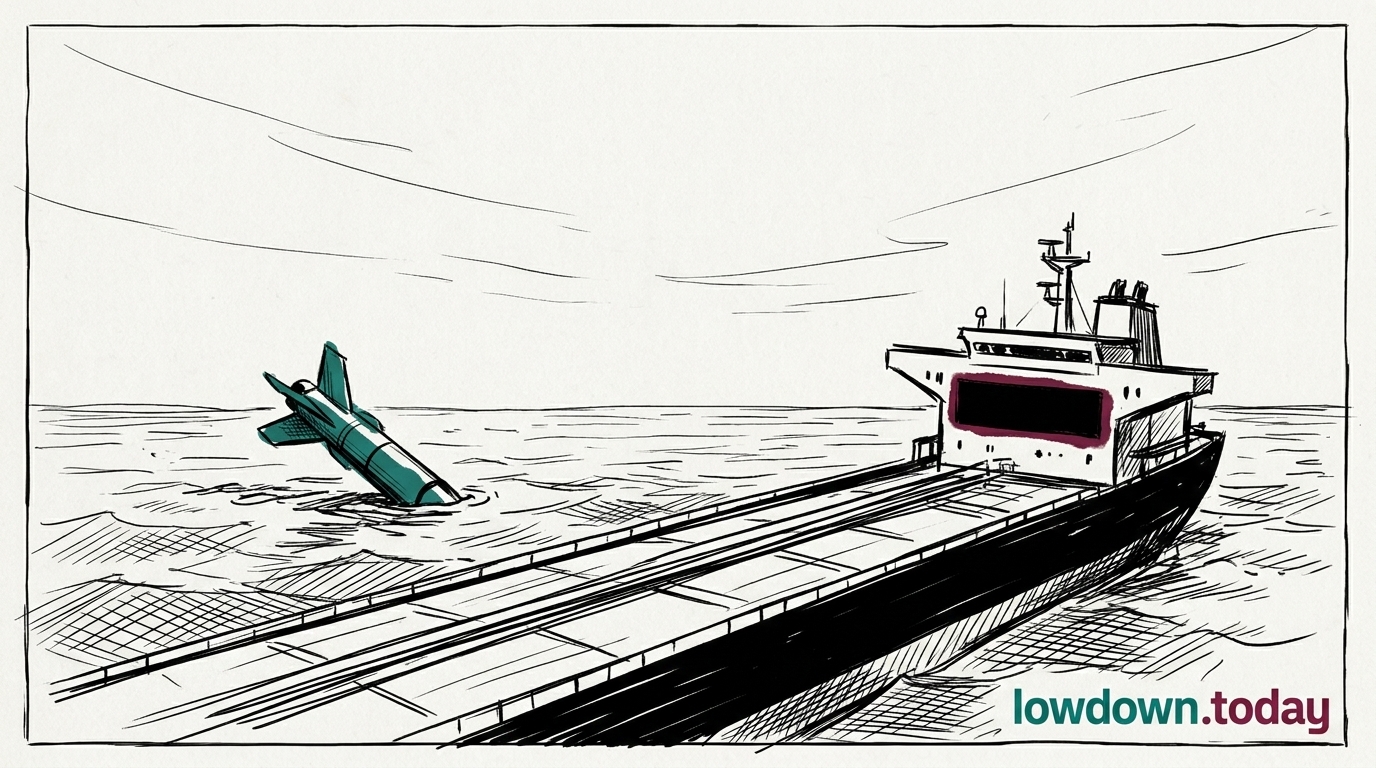
Brent falls 8% on phantom peace talks

1 min read
14:52UTC

Brent crude dropped to $97 on Trump's negotiation claims, despite Iran's categorical rejection.

ConflictAssessed
Key takeaway

Oil prices reflect Trump's rhetoric, not Iran's actions; the paper-physical disconnect is at record levels.

Brent crude (the international oil benchmark) fell to $96.68 per barrel on Wednesday, down from $104 at the start of the week but still 43% above the pre-war baseline of $67.41. The slide began Sunday when Donald Trump announced his 15-point ceasefire plan and continued despite Iran's categorical rejection.

Sunday's 10.9% crash to $99.94 reversed to $102-104 within 48 hours . Physical crude tells a different story from futures: the record $14.20-per-barrel spot premium means refiners pay an effective $111 or more for delivered barrels, even as paper barrels trade at $97. The Strait of Hormuz remains closed; the physical price is more likely to pull paper up than reverse.

For British drivers, the war has added roughly 15p per litre at the pump since February. A return to the $126 peak would push that toward 30p. Goldman Sachs head of oil research Daan Struyven raised the probability of US recession to 25% at oil above $120 .

Deep Analysis

In plain English

Oil prices dropped because traders believe Trump is close to a deal with Iran. But Iran publicly rejected the deal. When that gap closes, prices will jump back up and petrol will get more expensive again.

What could happen next?
  • Risk

    Rapid upward correction likely when rejection registers

  • Consequence

    Record backwardation strains refiner working capital

First Reported In

Update #48 · Iran rejects ceasefire; Kharg fortified

CNBC· 26 Mar 2026
Read original
Causes and effects
This Event
Brent falls 8% on phantom peace talks
Markets are pricing rhetoric over reality; when Iran's rejection registers, a rapid correction could strain derivatives markets at record backwardation.
Different Perspectives
Anwar Gargash, UAE presidential diplomatic adviser
Gargash warned the region cannot stay trapped between "neither war nor peace", naming the stalemate itself as unsustainable for a Gulf state hosting US forces and absorbing the shipping-risk cost without being party to either the strike decisions or the corridor talks.
Shipping and insurance underwriters
War-risk premiums are still set against an active blockade and a fatal Bab el-Mandeb attack with an unresolved vessel identity. A disabling strike and a diplomatic "advanced" claim pulling in opposite directions gives underwriters no single signal to reprice cover against.
Pakistan and Qatar (Oman corridor mediators)
Pakistan's defence minister said matters are "shaping up in favor of peace" on Hormuz and a Qatari spokesperson called the Iran-Oman reopening talks advanced. Both are publicly ahead of Tehran's own security council, which has just disowned the deal's significance.
United States Central Command / President Trump
CENTCOM confirmed a helicopter strike disabled a container ship that tried to evade the blockade, and Trump said the US "totally controls" the Strait of Hormuz. Washington is treating evasion of the blockade as grounds for disabling fire rather than the redirection tactic CENTCOM used through July.
Mohsen Rezaei, Iran's Supreme National Security Council
Rezaei told China's ambassador Hormuz reopens only when the US ends the war and unblocks Iran's funds, and that the Oman transit deal "will have no impact" on that decision. He is drawing a hard line between the technical corridor track and the political settlement his council controls.
Yemen's internationally recognised government and affected communities
SABA reported at least 17 soldiers killed at Saudi-backed camps in eastern Yemen as tanker use of Bab el-Mandeb fell. The fighting adds civilian and supply risks to a route ships use when Hormuz is unsafe.