Skip to content
You can now search across every topic, entity and event.What's new
Iran Conflict 2026
7AUG

Russia's diesel ban loses its end date

2 min read
12:08UTC

Novak tied any lifting of Russia's diesel export ban to an unspecified market recovery and pushed the parallel gasoline ban out to end-2026, removing the 31 July terminus the desk had modelled.

ConflictDeveloping
Key takeaway

Novak removed the diesel ban's expiry, leaving European gasoil curves with no fixed date to price the unwind.

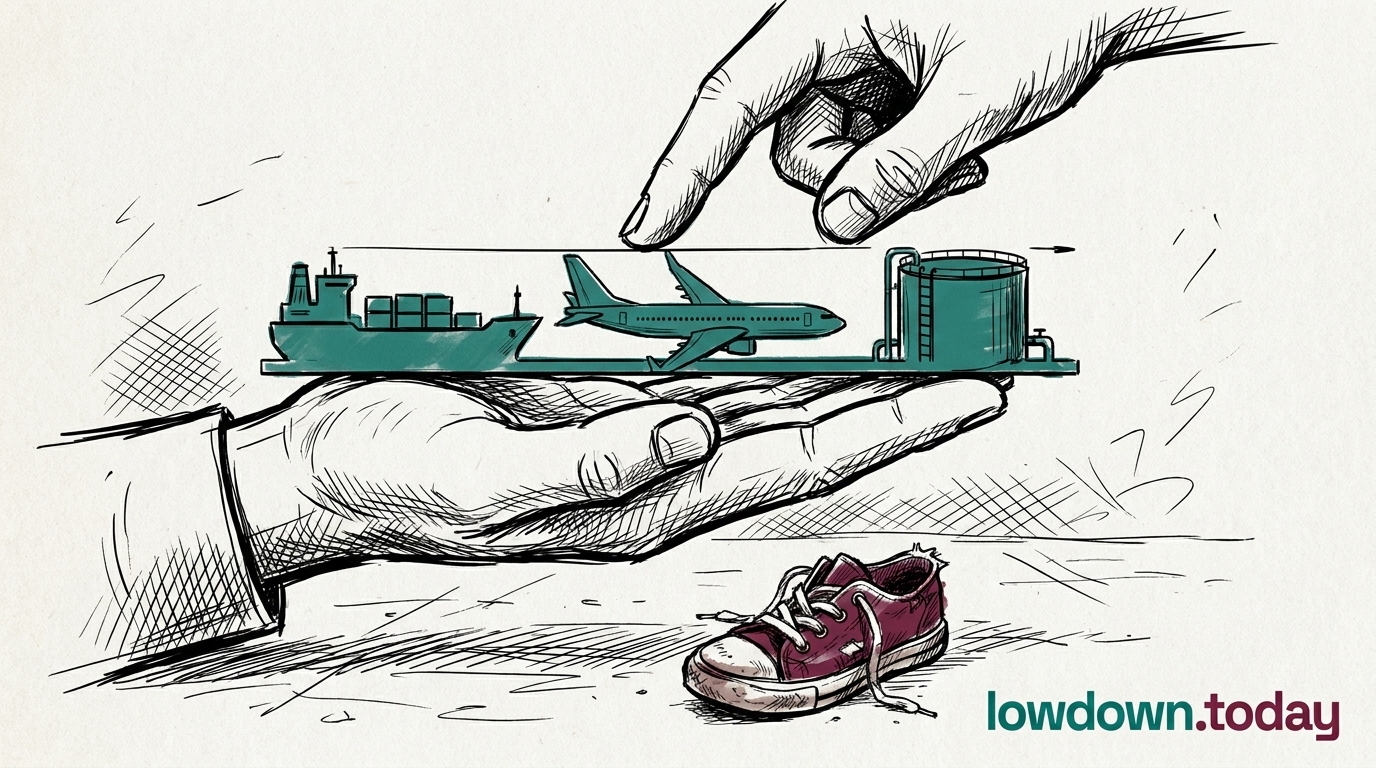
Deputy Prime Minister Alexander Novak tied any lifting of Russia's diesel export ban to an unspecified market recovery, with no calendar date attached, and extended the parallel gasoline export ban to end-2026, per Interfax on 25 July 1. Novak has held the energy brief in the Russian government for more than a decade and is the official who announces these instruments, so his framing is the operative one until a decree says otherwise. The ban restricts export of refined diesel from Russian refineries, which removes from the seaborne market the barrels that would ordinarily arbitrage a European product shortage.

This desk has carried the measure as running to 31 July since Novak set that terminus on 8 July . That date passed without a successor instrument and without a lapse, and the Argus assessments of 30 and 31 July show the constraint fully in force on either side of it. A constraint that was supposed to expire and simply did not is a different object from one that has been formally extended, because there is no new document to read.

Anyone modelling European gasoil forward has lost a date they could price against. A ban with a stated end can be priced: the curve carries the constraint to the terminus and releases it, and the shape of that release is tradeable. Tie the lifting to a market-recovery judgement made in Moscow and announced when it is announced, and the risk moves out of the calendar and into an assessment nobody publishes in advance. Time spreads on European gasoil now carry that judgement as an open-ended term, which pushes the exposure toward optionality and away from a dated roll, and it sits directly behind the supply picture that produced this window's record refining margins.


Deep Analysis

In plain English

Russia restricts how much diesel and petrol it exports, in part to keep enough fuel for its own domestic market. This desk had expected the diesel restriction to lapse on 31 July. Instead, Russia's deputy prime minister said any lifting now depends on an unspecified 'market recovery', with no date attached, and pushed the separate petrol restriction all the way to the end of 2026. That means traders betting on when Russian diesel exports resume no longer have a date to plan around, only a vague condition nobody can verify from outside Russia.

Deep Analysis
Root Causes

Novak's shift from a fixed lapse date to an unspecified market-recovery condition removes the one anchor forward curves had for pricing the ban's end; a fixed date lets hedgers build a calendar spread around it.

A condition-based trigger, an unpublished and unobservable threshold, cannot be priced directly, so the market is left extrapolating from the same crack and freight data already driving the current record rather than from any policy signal.

What could happen next?
  • Consequence

    Without a fixed reference date, expect forward diesel prices to keep tracking the physical crack and freight signals already elevated in this briefing rather than any Russian policy calendar, until Moscow names a concrete trigger.

First Reported In

Update #22 · The premium unwinds; the diesel crack does not

Interfax· 3 Aug 2026
Read original
Causes and effects
This Event
Russia's diesel ban loses its end date
A supply constraint with a published expiry became one with no expiry, so the forward curve has nothing fixed to price the unwind against.
Different Perspectives
Turkiye
Turkiye
Erdogan followed the Pakistani delegation to Jeddah for an instrument that has not been signed. Ankara's entry widens Saudi Arabia's defence architecture beyond the existing Pakistan pact, adding a second non-Gulf military partner mid-conflict.
Oman
Oman
Muscat is the corridor's broker but has published nothing about the arrangement Fars describes on its behalf. The account leaves Oman administering outbound traffic only, a narrower role than the shared route its mediation has rested on since 1979.
Pakistan
Pakistan
Islamabad sent Sharif, Munir and Dar to Jeddah to widen a defence commitment it has honoured in cheaper registers since March, when Dar invoked the Saudi mutual defence pact. Jeddah tests whether that hedge becomes a binding trilateral instrument with Turkiye.
United States
United States
Washington rejected the Majlis Hormuz bill outright while CENTCOM's own tally kept climbing to 49 vessels redirected since 14 July. Both instruments tightened in the same week Trump promised the strait would reopen soon.
Iran
Iran
Iran's foreign ministry is selling a phased Hormuz corridor through Oman and denying any percentage cargo tariff, while its own Majlis is legislating fines to 20% and a bar on Israeli-linked cargo. The two accounts, from the same government, do not agree with each other.
Saudi Arabia
Saudi Arabia
Riyadh published a target forecast, not an attribution, for the campaign it says the Najran strike previewed. That keeps an Article 51 case available while it formalises a trilateral defence architecture with Pakistan and Turkiye.



