Skip to content
You can now search across every topic, entity and event.What's new
Iran Conflict 2026
7AUG

A Hormuz fee, denied the same day

2 min read
12:08UTC

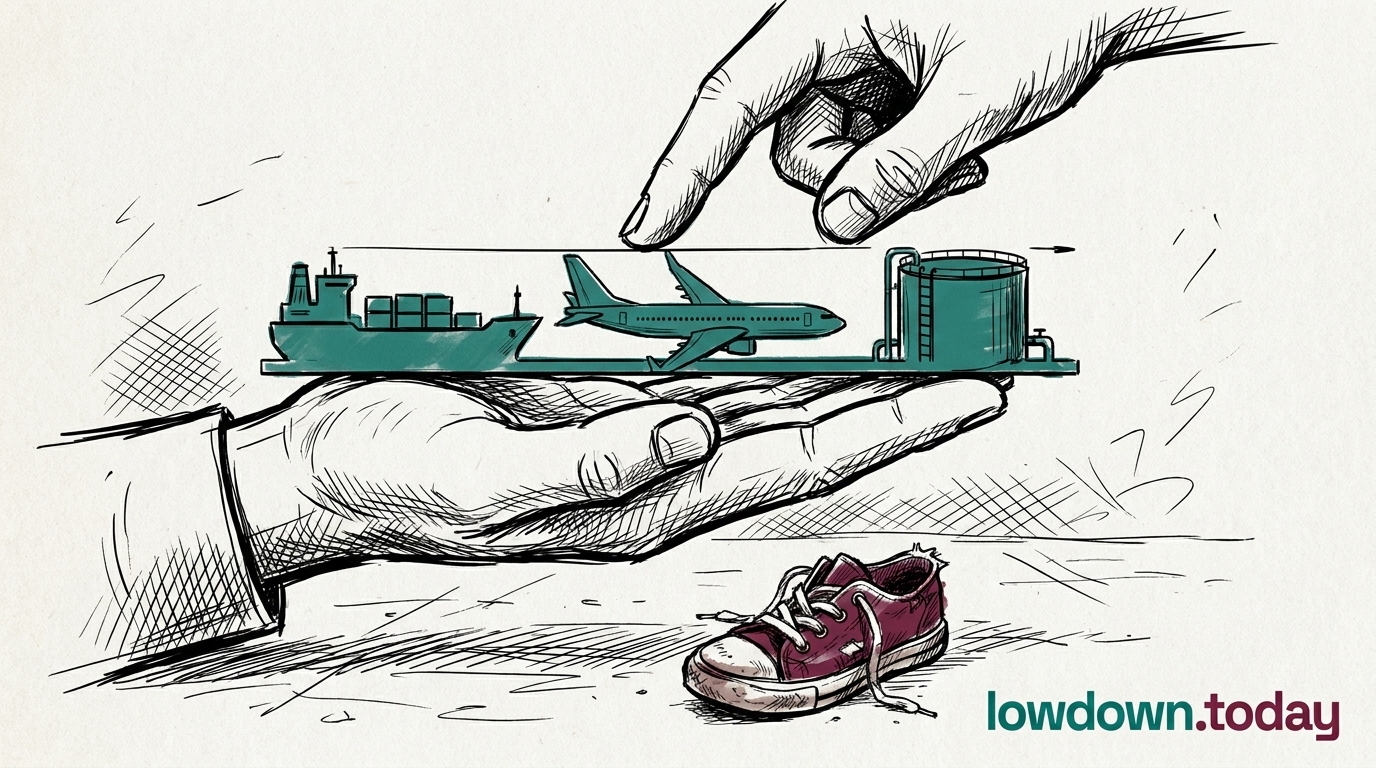
Fars denied any percentage tariff on Hormuz transits hours after Reuters reported that Iran had sought 5 to 7 per cent of cargo value and Oman around 3 per cent.

ConflictDeveloping
Key takeaway

A wire percentage and a state denial landed the same day, and neither has been documented.

Fars News, the Iranian state wire that set out the Strait of Hormuz transit arrangement with Oman on Thursday 6 August, used the same account to deny any 3 per cent or 7 per cent cargo-value tariff, saying charges will strictly reflect operational services rendered 1. It did not itemise which services, name a rate, or say who would collect.

Reuters had reported on Tuesday 4 August, citing a senior Iranian official and two regional officials, that Iran sought 5 to 7 per cent of cargo value and Oman around 3 per cent 2. IranWire's write-up flags the sequence: the wire report ran hours before the state denial 3. Both accounts can hold at different points in one negotiation, and neither has been published as a document. This dispute sits inside a draft Iran's foreign minister Abbas Araghchi had already approved in preliminary form, still awaiting sign-off above him , so the commercial core of the deal remains open while its diplomatic shell is nearly closed.

The gap between the two accounts costs real money. A fully laden VLCC (Very Large Crude Carrier) moves about two million barrels. At $90 a barrel that cargo is worth $180m, so 5 per cent comes to $9m a transit and 3 per cent to $5.4m. Pilotage, escort and traffic management across a 33km passage would absorb a small fraction of either figure. Taxing a chokepoint and billing for a service at it are different businesses, and here the difference between them runs to millions per crossing. A charterer cannot enter a Hormuz transit into a voyage estimate while the two versions stand side by side.


Deep Analysis

In plain English

Iran's Fars News denied that Iran or Oman will charge ships a fee based on a percentage of their cargo's value to pass through the Strait of Hormuz. It said charges will only reflect the cost of services actually provided. This contradicts a Reuters report from two days earlier, which said Iran had sought 5 to 7% of cargo value and Oman around 3%. Neither figure has been confirmed by an independent source, and no fee schedule has been published by either government.

What could happen next?
  • Risk

    Continued disagreement over the fee basis, percentage versus services rendered, could stall the wider Hormuz corridor talks even after the route itself is agreed.

First Reported In

Update #167 · Riyadh names its next targets; Najran is hit

IranWire· 7 Aug 2026
Read original
Different Perspectives
Turkiye
Turkiye
Erdogan followed the Pakistani delegation to Jeddah for an instrument that has not been signed. Ankara's entry widens Saudi Arabia's defence architecture beyond the existing Pakistan pact, adding a second non-Gulf military partner mid-conflict.
Oman
Oman
Muscat is the corridor's broker but has published nothing about the arrangement Fars describes on its behalf. The account leaves Oman administering outbound traffic only, a narrower role than the shared route its mediation has rested on since 1979.
Pakistan
Pakistan
Islamabad sent Sharif, Munir and Dar to Jeddah to widen a defence commitment it has honoured in cheaper registers since March, when Dar invoked the Saudi mutual defence pact. Jeddah tests whether that hedge becomes a binding trilateral instrument with Turkiye.
United States
United States
Washington rejected the Majlis Hormuz bill outright while CENTCOM's own tally kept climbing to 49 vessels redirected since 14 July. Both instruments tightened in the same week Trump promised the strait would reopen soon.
Iran
Iran
Iran's foreign ministry is selling a phased Hormuz corridor through Oman and denying any percentage cargo tariff, while its own Majlis is legislating fines to 20% and a bar on Israeli-linked cargo. The two accounts, from the same government, do not agree with each other.
Saudi Arabia
Saudi Arabia
Riyadh published a target forecast, not an attribution, for the campaign it says the Najran strike previewed. That keeps an Article 51 case available while it formalises a trilateral defence architecture with Pakistan and Turkiye.



