Skip to content
You can now search across every topic, entity and event.What's new
Iran Conflict 2026
31JUL

Washington flies fighters into the Gulf

1 min read
09:24UTC

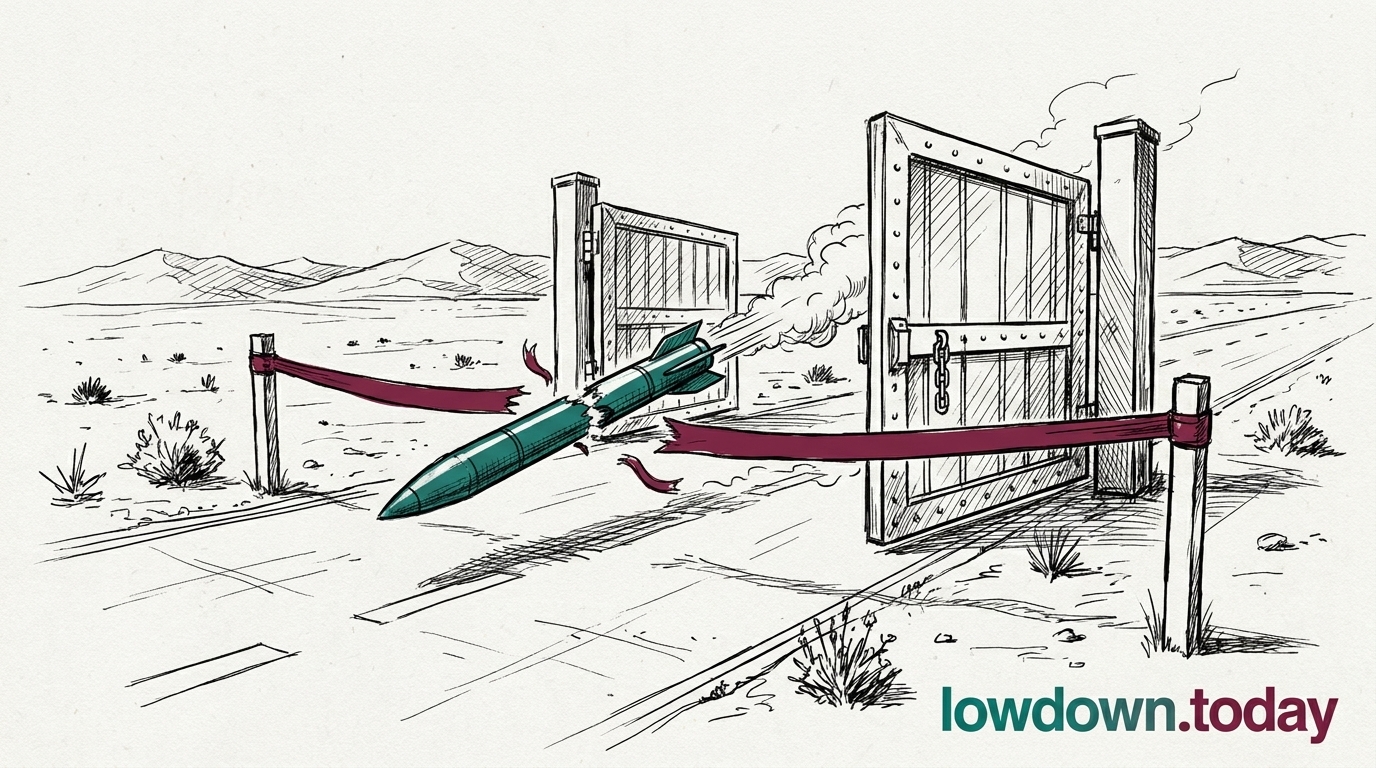
Washington relocated F-16 and F-35 jets and dozens of refuelling aircraft into the region, some bound for Israeli bases, the measurable US move as it weighs the truce offers.

ConflictDeveloping
Key takeaway

The jets and tankers, not the day's words, are the American action that can actually be counted.

Washington relocated additional F-16 and F-35 fighter jets from European bases into the region, along with dozens of aerial refuelling aircraft, some bound for Israeli bases and Ramon Airport in southern Israel 1. The refuelling tankers are the tell: they extend the range and loiter time of strike aircraft, hardware for sustained operations rather than a one-night show of force.

The jets and refuellers are the measurable American action this window, set against a day of rhetoric that changed no force posture. They land as the United States absorbs its heaviest losses of the war, with the Pentagon confirming the toll at 17 dead after the Jordan strikes , and as two ten-day ceasefire proposals sit under review. A president who prefers the podium to the signed order has for once let the hardware speak, and it says the administration is buying options for the day diplomacy stalls rather than betting the outcome on it.


Deep Analysis

In plain English

The United States has moved extra fighter jets, F-16s and F-35s, along with dozens of aerial refuelling planes, from bases in Europe into the Middle East region. Some of the refuelling planes have gone to Israeli air bases, including Ramon Airport in southern Israel. Refuelling planes matter because they let fighter jets fly much further without landing to refuel. Moving so many of them suggests preparation for longer missions, not simply adding more jets to existing patrols.

Deep Analysis
Root Causes

F-16s and F-35s can already reach Iran from existing regional bases without extra tankers, so the refuelling build-up specifically signals preparation for sustained, longer-range sorties rather than a single strike package.

Routing some refuellers to Ramon Airport in southern Israel also ties US logistics directly to Israeli basing for the first time in this reinforcement wave, a structural link that did not exist in earlier US deployments to the region.

What could happen next?
  • Meaning

    The scale of the refuelling-aircraft relocation, more than the fighter jets, is the clearer signal of preparation for extended-range strike sorties rather than a routine rotation.

  • Consequence

    Basing US refuellers at Ramon Airport ties American strike logistics directly to Israeli territory, raising the odds any future strike package would be flown as a coordinated operation rather than a unilateral US one.

First Reported In

Update #160 · Houthis hit Saudi tankers; Brent tops $100

UPI· 23 Jul 2026
Read original
Different Perspectives
Shipping and insurance underwriters
Underwriters can price Houthi strikes because the group announces its targets, but an unclaimed drone at Damietta and a mandatory Iranian insurance scheme both deny them a pattern to price against. War-risk premiums are increasingly being set by the absence of a claimant, not the scale of the damage.
Jordan
Jordan
Azraq absorbed its fourth Iranian strike in seven weeks, again drawing no direct Jordanian retaliation, only an American one. Amman's exposure, hosting US basing without the Patriot density of Gulf allies, has not changed even as the war around it widens.
Houthi movement
Houthi movement
The Houthis' 20 July blockade of Saudi-linked shipping is the injury Riyadh's new 43-nation coalition directly answers, yet the group itself was never asked to join and remains outside every proposal on the table. Sanaa-aligned commentators call the coalition a paper reassurance for insurers rather than a deployable force.
Egypt's Cabinet
Egypt's Cabinet
Egypt confirmed the Damietta blaze was an attack, not an accident, on soil the war had never touched before. Cairo now faces an unclaimed threat to a facility supplying roughly 7% of its domestic gas, with no author to hold accountable and no pattern yet to defend against.
Oman
Oman
Muscat is running the only channel Iran will use, a voluntary Hormuz fee modelled on Malacca, but stayed out of Saudi Arabia's new naval coalition entirely. Oman's mediating leverage depends on treating Hormuz as shared and non-exclusive, the opposite of what Tehran is now demanding of it.
Iraq's Prime Minister
Al-Zaidi cancelled his first official Riyadh visit and convened the Coordination Framework, the coalition that keeps him in power and whose factions sit inside the PMF that Saudi jets just struck. He is caught between a five-year Saudi investment relationship and armed groups inside his own state he does not fully control.



