Skip to content
You can now search across every topic, entity and event.What's new
Iran Conflict 2026
31JUL

Trump's fifth Hormuz deadline expires tonight

2 min read
09:24UTC

The fifth reformulation of the same Hormuz ultimatum in six weeks is set to lapse at 8pm Eastern, with the most probable outcome a sixth extension framed around the Islamabad track.

ConflictDeveloping
Key takeaway

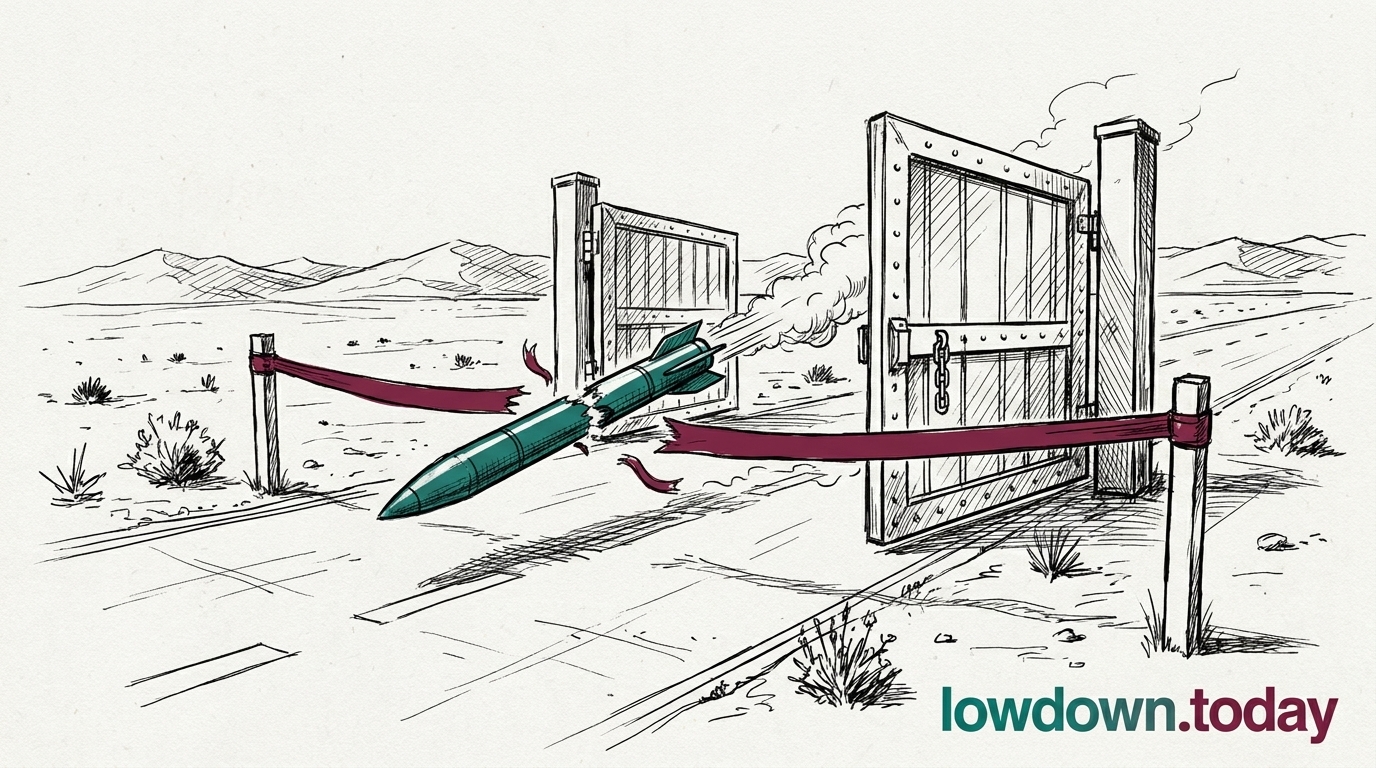
Five extensions in, the deadline mechanism has become the instrument rather than a precursor to action.

Donald Trump's fifth Hormuz ultimatum expires at 8pm ET (0000 UTC Wednesday). It follows the 6 April power-grid deadline and the second replacement that itself ran out , and reformulates the same threat for the fifth time in six weeks .

Each previous expiry produced an extension. The rhetoric escalated each cycle while the operational ceiling stayed flat: no civilian-infrastructure threshold ever crossed, no new target category announced, no military fact on the ground that the prior subsequents had not already established. The most probable outcome tonight, on the pattern, is a sixth extension framed around whatever the Islamabad track allows.

Tehran is now planning around the assumption that the deadline itself is the instrument, not a precursor to action. The risk is not that one of these expiries is theatre, it is that the day Trump genuinely intends to follow through, no actor in the system will read the signal differently from the four that preceded it.


Deep Analysis

In plain English

Trump has now issued five versions of the same ultimatum over six weeks: open Hormuz or face consequences. Each previous deadline has produced an extension rather than action , the 6 April power-grid deadline, the second replacement, and three further reformulations. Tonight's version expires at 8pm Eastern time. The most likely outcome, on pattern, is a sixth extension framed around whatever the Pakistan diplomatic track allows. The practical effect of five extensions is that Iran now plans on the assumption the deadline itself is the tool, not a warning of what follows. The danger is not that each expiry is theatre , it may well be , but that the day it is not, no one reads it differently.

Deep Analysis
Root Causes

The five-extension pattern reflects a structural mismatch between Trump's political need to signal toughness on Hormuz domestically and the operational reality that the US has not found a military solution within the constraints it has set for itself , no civilian infrastructure thresholds crossed, no new target categories announced, carriers moved out rather than in.

Each extension preserves the option while deferring the cost; the cumulative cost is the credibility of the next deadline.

Escalation

The fifth deadline expiry does not itself raise escalation risk; the pattern has lowered it by training both sides to treat expiry as routine. The risk is asymmetric: on the day the US genuinely intends to follow through, the signal will be indistinguishable from the four that preceded it, creating a window for catastrophic Iranian miscalculation.

What could happen next?
  • Risk

    Five consecutive extensions have habituated Iran to treating US deadlines as negotiating variables; if Trump does eventually order enforcement action, the prior pattern means the signal will not be read as materially different, raising the risk of a genuine miscalculation.

  • Precedent

    The five-extension cycle establishes that this administration will not cross civilian-infrastructure thresholds under deadline pressure alone, narrowing Iran's incentive to offer substantive concessions before a threshold is actually crossed.

First Reported In

Update #61 · Carriers retreat; Iran codifies Hormuz

UPI· 7 Apr 2026
Read original
Different Perspectives
Shipping and insurance underwriters
Underwriters can price Houthi strikes because the group announces its targets, but an unclaimed drone at Damietta and a mandatory Iranian insurance scheme both deny them a pattern to price against. War-risk premiums are increasingly being set by the absence of a claimant, not the scale of the damage.
Jordan
Jordan
Azraq absorbed its fourth Iranian strike in seven weeks, again drawing no direct Jordanian retaliation, only an American one. Amman's exposure, hosting US basing without the Patriot density of Gulf allies, has not changed even as the war around it widens.
Houthi movement
Houthi movement
The Houthis' 20 July blockade of Saudi-linked shipping is the injury Riyadh's new 43-nation coalition directly answers, yet the group itself was never asked to join and remains outside every proposal on the table. Sanaa-aligned commentators call the coalition a paper reassurance for insurers rather than a deployable force.
Egypt's Cabinet
Egypt's Cabinet
Egypt confirmed the Damietta blaze was an attack, not an accident, on soil the war had never touched before. Cairo now faces an unclaimed threat to a facility supplying roughly 7% of its domestic gas, with no author to hold accountable and no pattern yet to defend against.
Oman
Oman
Muscat is running the only channel Iran will use, a voluntary Hormuz fee modelled on Malacca, but stayed out of Saudi Arabia's new naval coalition entirely. Oman's mediating leverage depends on treating Hormuz as shared and non-exclusive, the opposite of what Tehran is now demanding of it.
Iraq's Prime Minister
Al-Zaidi cancelled his first official Riyadh visit and convened the Coordination Framework, the coalition that keeps him in power and whose factions sit inside the PMF that Saudi jets just struck. He is caught between a five-year Saudi investment relationship and armed groups inside his own state he does not fully control.



