Skip to content
You can now search across every topic, entity and event.What's new
Iran Conflict 2026
31JUL

Pakistan Hormuz deal: 40 ships of 2,000

2 min read
09:24UTC

Islamabad secured passage for 20 more vessels, but the deal covers a fraction of the queue and preserves Iran's legal claim over the strait.

ConflictDeveloping
Key takeaway

Pakistan's Hormuz deal reinforces Iran's sovereignty claim while covering under 2% of stranded vessels.

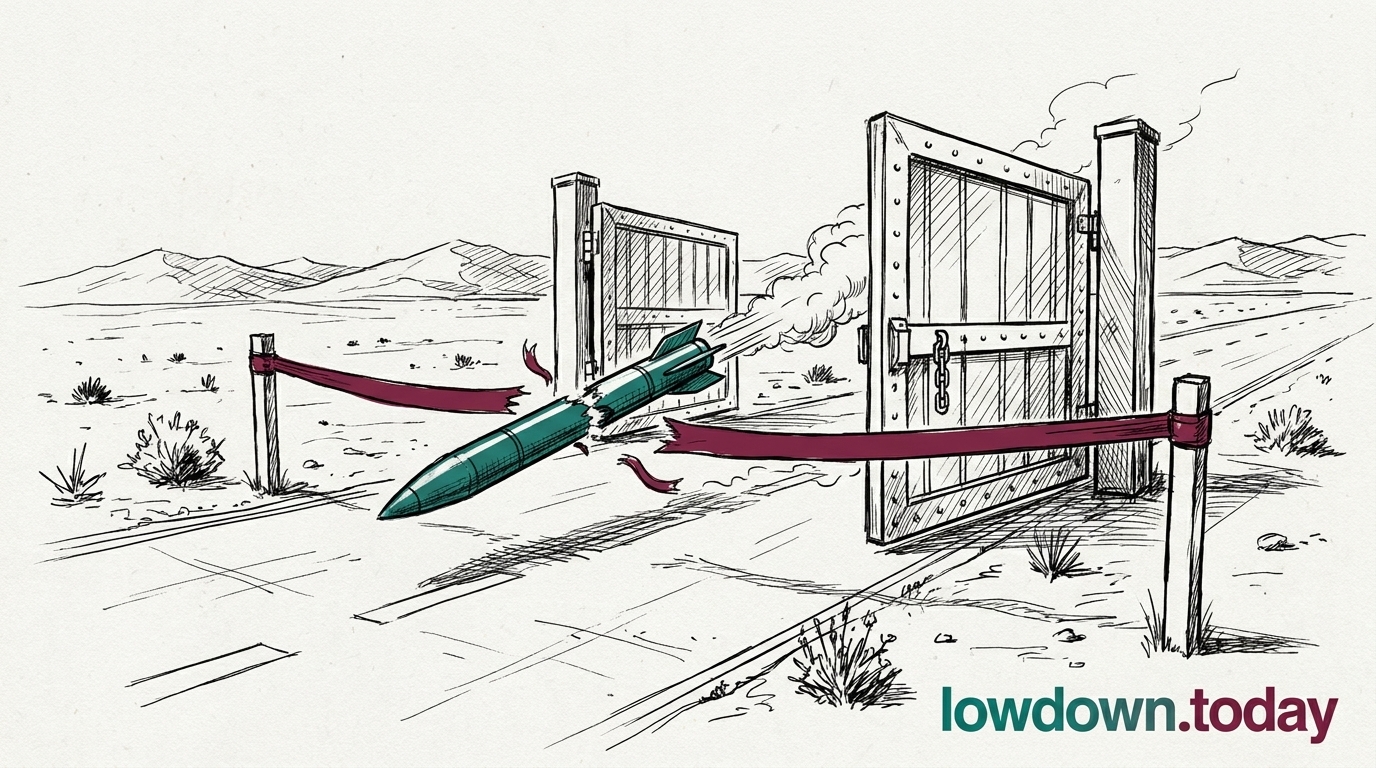
Pakistan secured a second bilateral deal with Iran: 20 more vessels at two per day, bringing the total to approximately 40 Pakistani-flagged ships 1. Iran's state media framed it as a bilateral arrangement, not a concession on Hormuz sovereignty. Against approximately 2,000 stranded ships , 40 vessels represents less than 2% of the queue.

Prime Minister Shehbaz Sharif held what Pakistani officials described as "extensive discussions" with Iranian President Masoud Pezeshkian. Finance Minister Ishaq Dar called the deal a "harbinger of peace." It is not. Every bilateral deal reinforces Tehran's leverage by demonstrating that Hormuz passage now flows from Iranian permission, not international law. Each agreement concedes the premise that Iran controls the strait .


Deep Analysis

In plain English

The Strait of Hormuz has about 2,000 ships stuck waiting to pass through. Pakistan negotiated a deal to get 40 of its own ships through, two per day. That is less than 2% of the queue. The deal is significant not for the ships it moves but for what it implies: Pakistan accepted that Iran's permission is required to transit an international waterway. International law says Iran has no right to charge that toll or require that permission. Every bilateral deal like this one makes it slightly harder to argue that Iran is violating international law, because sovereign states are effectively recognising Iran's authority by asking for its approval.

First Reported In

Update #51 · Iran hits aluminium plants; Hormuz emptying

PressTV· 29 Mar 2026
Read original
Different Perspectives
Shipping and insurance underwriters
Underwriters can price Houthi strikes because the group announces its targets, but an unclaimed drone at Damietta and a mandatory Iranian insurance scheme both deny them a pattern to price against. War-risk premiums are increasingly being set by the absence of a claimant, not the scale of the damage.
Jordan
Jordan
Azraq absorbed its fourth Iranian strike in seven weeks, again drawing no direct Jordanian retaliation, only an American one. Amman's exposure, hosting US basing without the Patriot density of Gulf allies, has not changed even as the war around it widens.
Houthi movement
Houthi movement
The Houthis' 20 July blockade of Saudi-linked shipping is the injury Riyadh's new 43-nation coalition directly answers, yet the group itself was never asked to join and remains outside every proposal on the table. Sanaa-aligned commentators call the coalition a paper reassurance for insurers rather than a deployable force.
Egypt's Cabinet
Egypt's Cabinet
Egypt confirmed the Damietta blaze was an attack, not an accident, on soil the war had never touched before. Cairo now faces an unclaimed threat to a facility supplying roughly 7% of its domestic gas, with no author to hold accountable and no pattern yet to defend against.
Oman
Oman
Muscat is running the only channel Iran will use, a voluntary Hormuz fee modelled on Malacca, but stayed out of Saudi Arabia's new naval coalition entirely. Oman's mediating leverage depends on treating Hormuz as shared and non-exclusive, the opposite of what Tehran is now demanding of it.
Iraq's Prime Minister
Al-Zaidi cancelled his first official Riyadh visit and convened the Coordination Framework, the coalition that keeps him in power and whose factions sit inside the PMF that Saudi jets just struck. He is caught between a five-year Saudi investment relationship and armed groups inside his own state he does not fully control.



