DigiTimes reported on 30 April 2026 that ESMC (the European Semiconductor Manufacturing Company, the TSMC-led Dresden fab joint venture with Bosch, Infineon and NXP) has reportedly pulled its initial-production target forward to 2027, against the 2029 figure recorded when the structural build completed 1. The claim covers first-wafer risk production rather than full-volume capacity, and ESMC has issued no confirmation of any date change in its own communications. The discrepancy between the reported 2027 figure and the prior 2029 milestone remains unresolved. If it held, a two-year acceleration would be a material change to the only major Chips Act fab still on track, and to the political case for Chips Act II's direct fab-equity authority, but on a single trade-press sourcing the prudent reading is to treat it as unverified.
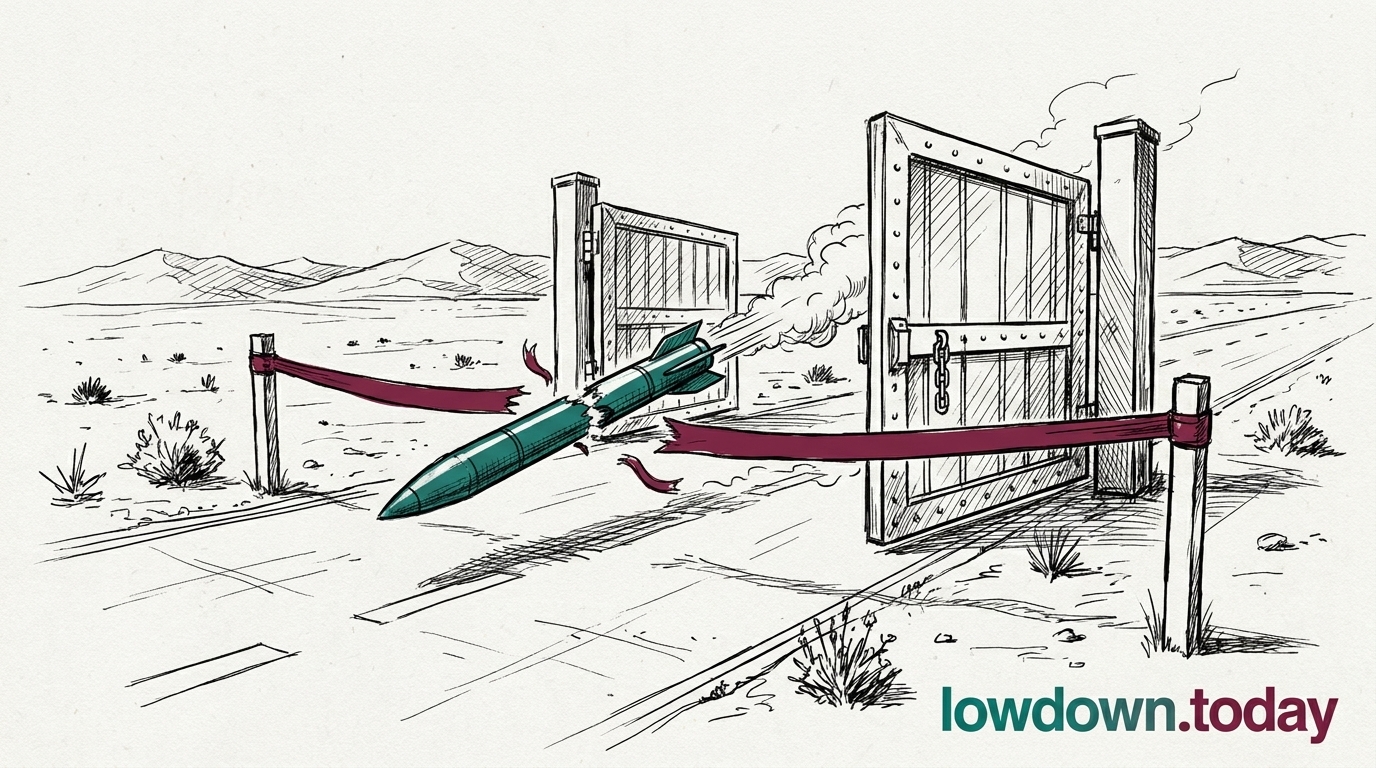
ESMC Dresden eyes 2027 first wafers
DigiTimes reported ESMC Dresden has pulled its initial-production target forward to 2027 from 2029, a claim covering first risk wafers rather than full volume and unconfirmed by the company.
DigiTimes reports ESMC first wafers in 2027, not 2029, but ESMC has not confirmed the change.
Deep Analysis
ESMC (European Semiconductor Manufacturing Company) is a chip factory being built in Dresden, Germany. Think of it as Europe's attempt to make advanced computer chips at home, rather than relying entirely on Taiwan and South Korea. The project is a joint venture led by TSMC, the world's largest chip manufacturer, with German industrial firms Bosch and Infineon, plus the Dutch company NXP. A technology news outlet called DigiTimes reported in late April 2026 that ESMC may produce its first test chips in 2027, two years earlier than the 2029 date previously reported. However, ESMC itself has not confirmed this. 'First-wafer' production, where a factory processes its first silicon wafers to test the equipment and process, is an engineering milestone: it does not mean the factory is making chips commercially. The 2029 target for full commercial production has not changed.
TSMC's incentive for accelerating ESMC Dresden toward 2027 risk production is primarily about securing Chips Act II's direct fab-equity support instrument, which requires demonstrated production credibility to justify Commission equity participation. A 2027 first-wafer, even at risk-production volumes, would lock in that political credibility before Chips Act II passes through the Parliamentary approval process.
The discrepancy between the DigiTimes 2027 claim and ESMC's 2029 volume-production figure reflects the difference between two different milestones, not a genuine factual conflict. The EU Chips Act reporting framework counts 2029 capacity toward its 20% global market share target (a target the Commission has since stopped restating); an earlier 2027 risk-production milestone does not count against that metric but demonstrates fab viability.
- Opportunity
A credible 2027 first-wafer milestone, even unconfirmed, may give the Commission political cover to advance Chips Act II's direct fab-equity investment provision through Parliamentary approval before the German state-aid conditions require mid-construction reviews.
- Risk
If ESMC's actual first-wafer slips to 2028 or beyond, Chips Act II's direct equity instrument loses its principal justifying precedent and faces Parliamentary challenge from member states that opposed removing the member-state intermediary layer.
Update #6 · Brussels slips sovereignty law a third time





