Skip to content
You can now search across every topic, entity and event.What's new
Iran Conflict 2026
23JUN

Oil barely moves on the stand-down

3 min read
11:42UTC

Brent settled near $72.91 on 29 June, up just 1.3% on the stand-down, with the second quarter closing about 30% lower.

ConflictDeveloping
Key takeaway

Oil rose just 1.3% after Iran hit US bases, with Brent betting on a Hormuz reopening that has not come.

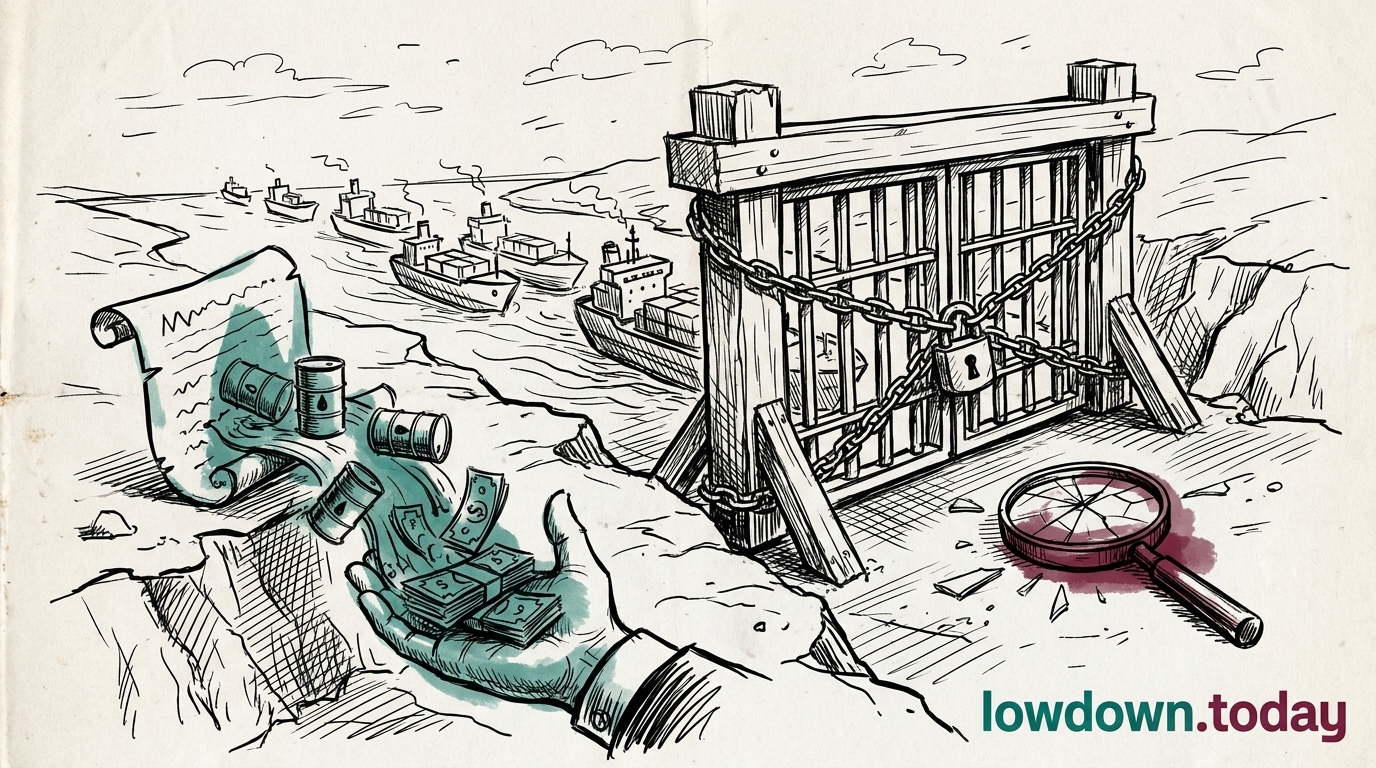
Brent Crude settled near $72.91 on 29 June, up just 1.3% on the verbal stand-down, after touching $75.26 when the Kiku tanker was struck on 27 June 1. WTI (West Texas Intermediate), the US benchmark, sat near $69.70, below its pre-war range 2. The second quarter closed down about 30%, the steepest quarterly fall since 2020.

Iran struck two US bases, yet the benchmark held near $73, a sign traders are betting the strait reopens rather than pricing the escalation. Mines stay uncleared, hundreds of vessels remain stranded, and Iran's single-corridor demand is unmet; ING analysts warned that traders are too optimistic about the timeline for Gulf supply to return 3. Brent had settled at $71.99 on 26 June , so a fortnight of strikes, base attacks and a stand-down moved the benchmark barely a dollar.

Deep Analysis

In plain English

Oil prices moved very little on 29 June despite the US and Iran announcing a ceasefire. Brent crude, the main international oil price measure named after a North Sea oilfield, settled at $72.91 a barrel, up just 1.3% from the day before. Analysts at ING, a large Dutch bank that monitors commodity markets closely, warned that the modest rise was misleading. The physical problem, the Strait of Hormuz being practically closed to most shipping, has not gone away: sea mines still need to be cleared, hundreds of cargo vessels remain stuck outside the strait, and Iran insists ships use only a specific route it controls. Until shipping insurers reinstate war-risk cover, the cover that companies need before sending a vessel into a conflict zone, physical supply will not fully return even if the benchmark price implies otherwise. The broader picture: oil prices fell roughly 30% between April and June 2026, the sharpest quarterly decline since the early months of the COVID-19 pandemic in 2020.

What could happen next?
  • Consequence

    Brent's failure to rally more than 1.3% on the stand-down announcement confirms that restoring physical supply requires reinstating Lloyd's of London war-risk cover, rather than a verbal agreement to halt fire.

    Immediate · Reported
  • Risk

    ING's assessment that traders are too optimistic about the Gulf supply recovery timeline, given uncleared mines and the single-corridor dispute, suggests a downside correction is possible if the Doha shuttle fails to produce a routing resolution within the Article 5 window.

    Short term · Assessed
  • Consequence

    Q2 2026's roughly 30% Brent decline is the steepest quarterly fall since 2020, materially reducing the fiscal revenues of all Gulf oil producers and raising budget-deficit pressures in Saudi Arabia, Kuwait, and the UAE simultaneously with the active conflict.

    Short term · Reported
First Reported In

Update #141 · Iran hits two US bases; Trump pulls back

GlobalSecurity.org· 30 Jun 2026
Read original
Different Perspectives
Turkiye
Turkiye
Erdogan followed the Pakistani delegation to Jeddah for an instrument that has not been signed. Ankara's entry widens Saudi Arabia's defence architecture beyond the existing Pakistan pact, adding a second non-Gulf military partner mid-conflict.
Oman
Oman
Muscat is the corridor's broker but has published nothing about the arrangement Fars describes on its behalf. The account leaves Oman administering outbound traffic only, a narrower role than the shared route its mediation has rested on since 1979.
Pakistan
Pakistan
Islamabad sent Sharif, Munir and Dar to Jeddah to widen a defence commitment it has honoured in cheaper registers since March, when Dar invoked the Saudi mutual defence pact. Jeddah tests whether that hedge becomes a binding trilateral instrument with Turkiye.
United States
United States
Washington rejected the Majlis Hormuz bill outright while CENTCOM's own tally kept climbing to 49 vessels redirected since 14 July. Both instruments tightened in the same week Trump promised the strait would reopen soon.
Iran
Iran
Iran's foreign ministry is selling a phased Hormuz corridor through Oman and denying any percentage cargo tariff, while its own Majlis is legislating fines to 20% and a bar on Israeli-linked cargo. The two accounts, from the same government, do not agree with each other.
Saudi Arabia
Saudi Arabia
Riyadh published a target forecast, not an attribution, for the campaign it says the Najran strike previewed. That keeps an Article 51 case available while it formalises a trilateral defence architecture with Pakistan and Turkiye.