Skip to content
You can now search across every topic, entity and event.What's new
Iran Conflict 2026
21JUN

Oil barely moves on the stand-down

3 min read
17:51UTC

Brent settled near $72.91 on 29 June, up just 1.3% on the stand-down, with the second quarter closing about 30% lower.

ConflictDeveloping
Key takeaway

Oil rose just 1.3% after Iran hit US bases, with Brent betting on a Hormuz reopening that has not come.

Brent Crude settled near $72.91 on 29 June, up just 1.3% on the verbal stand-down, after touching $75.26 when the Kiku tanker was struck on 27 June 1. WTI (West Texas Intermediate), the US benchmark, sat near $69.70, below its pre-war range 2. The second quarter closed down about 30%, the steepest quarterly fall since 2020.

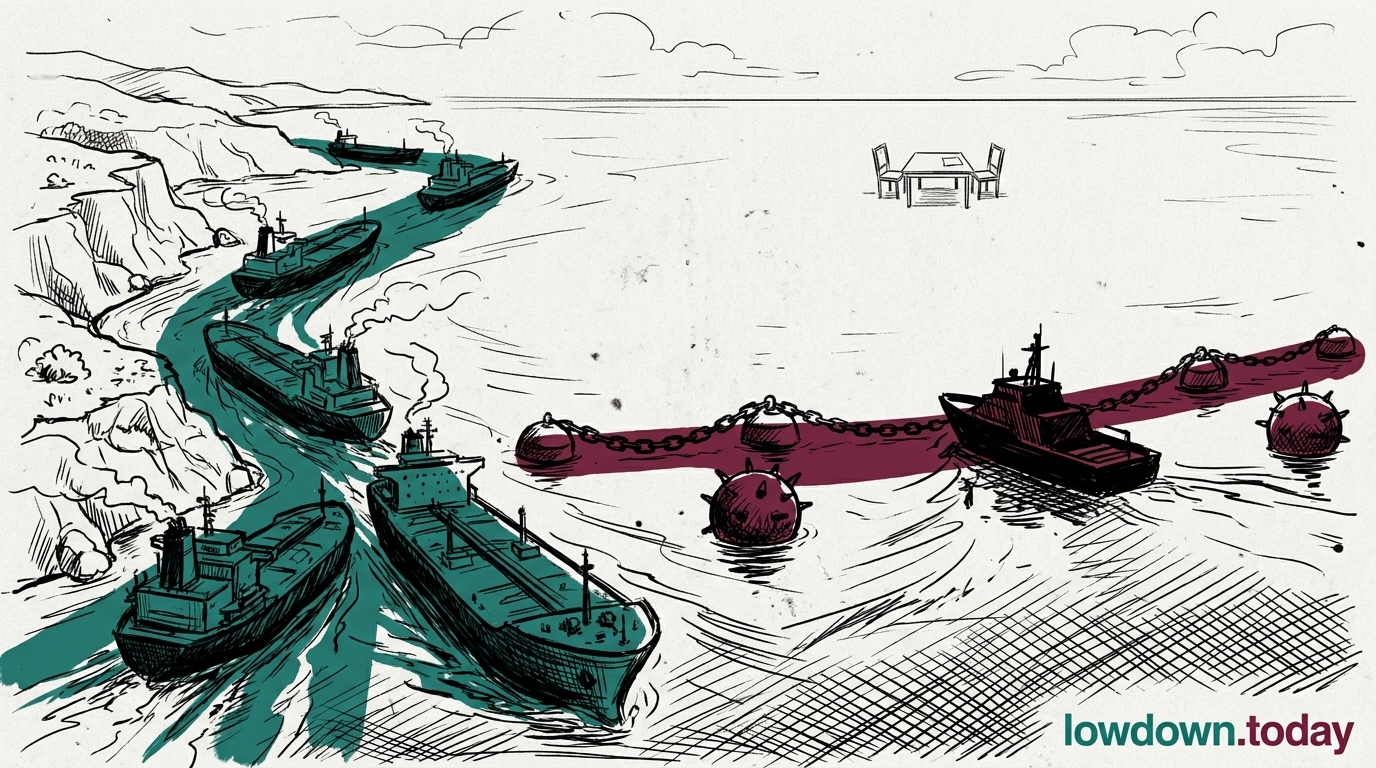
Iran struck two US bases, yet the benchmark held near $73, a sign traders are betting the strait reopens rather than pricing the escalation. Mines stay uncleared, hundreds of vessels remain stranded, and Iran's single-corridor demand is unmet; ING analysts warned that traders are too optimistic about the timeline for Gulf supply to return 3. Brent had settled at $71.99 on 26 June , so a fortnight of strikes, base attacks and a stand-down moved the benchmark barely a dollar.

Deep Analysis

In plain English

Oil prices moved very little on 29 June despite the US and Iran announcing a ceasefire. Brent crude, the main international oil price measure named after a North Sea oilfield, settled at $72.91 a barrel, up just 1.3% from the day before. Analysts at ING, a large Dutch bank that monitors commodity markets closely, warned that the modest rise was misleading. The physical problem, the Strait of Hormuz being practically closed to most shipping, has not gone away: sea mines still need to be cleared, hundreds of cargo vessels remain stuck outside the strait, and Iran insists ships use only a specific route it controls. Until shipping insurers reinstate war-risk cover, the cover that companies need before sending a vessel into a conflict zone, physical supply will not fully return even if the benchmark price implies otherwise. The broader picture: oil prices fell roughly 30% between April and June 2026, the sharpest quarterly decline since the early months of the COVID-19 pandemic in 2020.

What could happen next?
  • Consequence

    Brent's failure to rally more than 1.3% on the stand-down announcement confirms that restoring physical supply requires reinstating Lloyd's of London war-risk cover, rather than a verbal agreement to halt fire.

    Immediate · Reported
  • Risk

    ING's assessment that traders are too optimistic about the Gulf supply recovery timeline, given uncleared mines and the single-corridor dispute, suggests a downside correction is possible if the Doha shuttle fails to produce a routing resolution within the Article 5 window.

    Short term · Assessed
  • Consequence

    Q2 2026's roughly 30% Brent decline is the steepest quarterly fall since 2020, materially reducing the fiscal revenues of all Gulf oil producers and raising budget-deficit pressures in Saudi Arabia, Kuwait, and the UAE simultaneously with the active conflict.

    Short term · Reported
First Reported In

Update #141 · Iran hits two US bases; Trump pulls back

GlobalSecurity.org· 30 Jun 2026
Read original
Different Perspectives
Hengaw
Hengaw
The Norway-based monitoring group reported the Urmia executions of Omid Behzad and Pouria Safvat, the only source to do so, consistent with its documented pattern of recording far more executions than the Iranian state acknowledges. Iran's government has not confirmed either execution.
Shipping and insurance underwriters
War-risk premiums price the Houthi campaign because the group announces its targets in advance, but a reopening Trump has promised without a published text gives underwriters no benchmark to reprice Hormuz cover against. Insurers want a text before they move rates, not a promise.
Houthi movement
Houthi movement
Spokesman Yahya Saree claimed strikes on two tankers in the Red Sea and Gulf of Aden on 5 August, only one of which UKMTO could confirm. The group's campaign against shipping continues on its own schedule, independent of any Hormuz arrangement further north.
Oman
Oman
Muscat has brokered the coordinates both Tehran and Washington's wire sources now describe differently, but has published no account of its own. Oman's position depends on treating Hormuz as a shared route, which is not what Iran is currently describing.
United States Central Command
CENTCOM raised its interdiction tally from 35 to 44 redirected vessels and disclosed its first boardings on 3 August, the day before Trump promised a reopening. The command's own enforcement record does not yet reflect the release the President has described.
Iran's Foreign Ministry
Spokesman Esmaeil Baghaei described the agreed Hormuz coordinates as a wholly new corridor under Iranian management, not a split of the existing route, days after his own deputy rejected Oman's lane proposal. Tehran wants the arrangement read as a change of ownership, not a compromise on access.