Skip to content
You can now search across every topic, entity and event.What's new
European Tech Sovereignty
8SEP

Urals slips below Russia's budget line

3 min read
15:06UTC

Urals traded near $50 a barrel on 24-25 June, roughly nine dollars below the $59 mark Russia's federal budget is built on, with no new OFAC designation to enforce it.

TechnologyDeveloping
Key takeaway

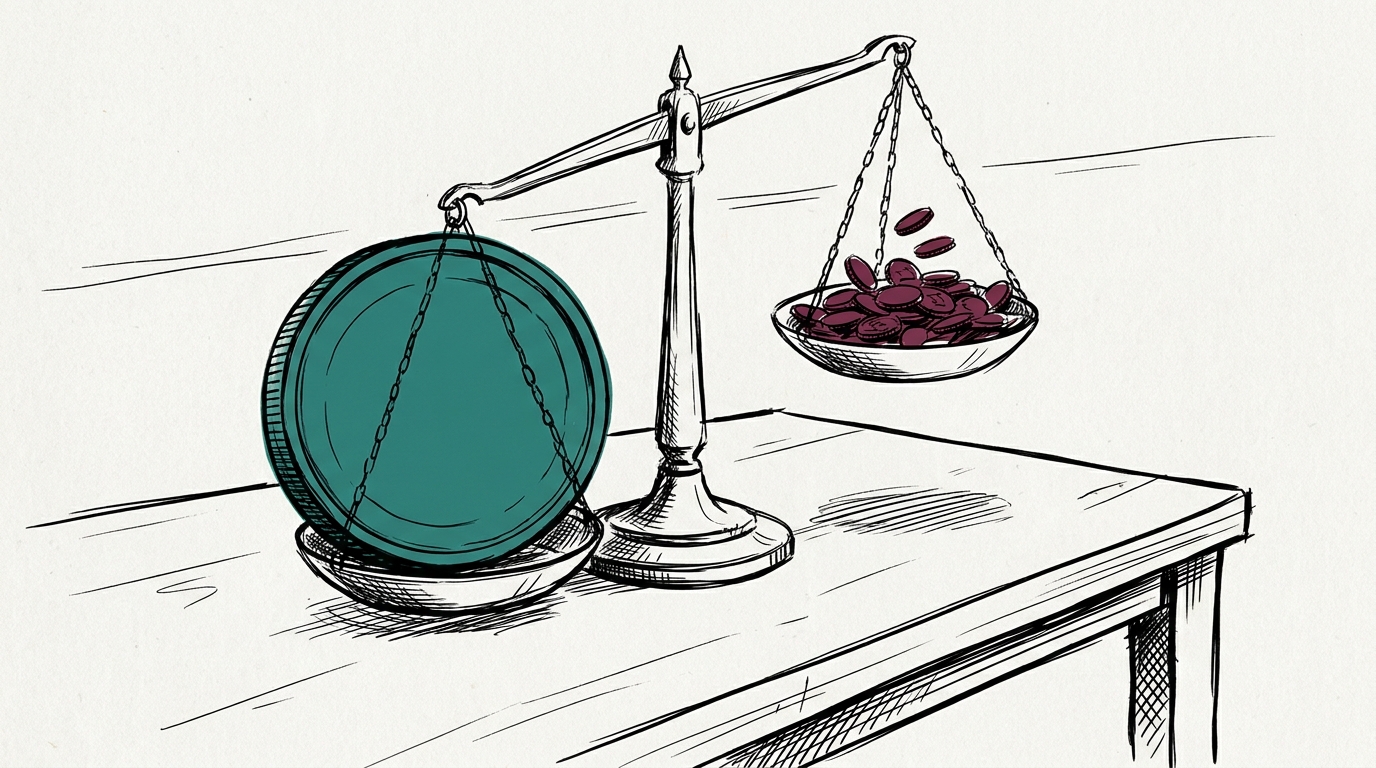
Urals below Russia's $59 budget benchmark squeezes Kremlin revenue without a single new sanctions designation.

Urals, Russia's main export crude, traded near $50 a barrel on 24-25 June, widening the Brent-Urals discount to about $22 1. That holds Russian crude roughly six dollars above the EU's frozen $44.10 price cap, but around nine dollars below the $59 benchmark the Russian federal budget is built on. A week ago Urals sat 8.81% above that cap ; the floor has dropped clean through Moscow's fiscal line.

Below $59, every barrel Russia ships funds less of the budget it was meant to cover. No OFAC designation of a P&I club, a shadow-fleet operator or a single vessel landed in the 22-26 June window, so the price discount, not enforcement, is carrying the squeeze. The EU cap binds on paper at $44.10; the market has already taken Urals under the line that matters to Kremlin spending.


Deep Analysis

In plain English

Russia's federal government depends heavily on oil and gas export revenues, which flow in through a complex system of taxes and duties linked to the Urals crude price. When Russia set its 2026 federal budget in late 2025, it assumed Urals crude would average around $59 per barrel for the year. Urals is Russia's main export crude grade, priced at a discount to the international Brent benchmark because Western sanctions make it harder to sell and insure. Over the past week, Urals fell to around $50 a barrel. That $9-per-barrel gap against the budget assumption means Russia collects significantly less tax revenue from every barrel it exports. The EU and G7 also imposed a separate "price cap" on Russian crude at $44.10 per barrel, designed to limit revenues further while still allowing Russian oil to reach global markets. At $50, Urals is still above that cap, so Western shipping and insurance can technically service these barrels. However, the market discount is now delivering more fiscal damage to Russia's 2026 budget than the cap mechanism itself. No new OFAC designations of Russian tankers or operators arrived this week, meaning the price pressure comes from market forces, not enforcement action.

First Reported In

Update #11 · Crude longs flushed flat into a loaded week

Caliber.Az· 26 Jun 2026
Read original
Different Perspectives
Poland
Poland
Poland leads a self-announced AI Gigafactory consortium with a EUR 100 million phase-one commitment, matched by Czechia and joined by Hungary at EUR 25 million. EuroHPC has confirmed no consortium for the call closing 12 November, so the bloc exists only in national announcements so far.
UK Government (DCMS)
Secretary of State Lisa Nandy told the Commons on 3 September she has inherited the sovereign AI brief from Liz Kendall, but gave no assessment, figure or date on frontier-model access. It is the first public claim of ownership since DSIT's abolition, without the substance the committee asked for.
ASML
ASML
ASML CEO Christophe Fouquet credited Intel Foundry, not a European fab, with shipping the first high-volume logic product made on High-NA EUV, the tool only ASML builds. Europe holds the chokepoint tool; the company that spent it into volume production first is American.
Luxembourg
Luxembourg
Luxembourg joined Mistral's Series D as a new investor on 8 September, the same government that co-funds EuroHPC's MeluXina-AI supercomputer. One small member state now funds the sovereign compute Mistral may need and holds equity in the company using it.
Samsung Electronics
Samsung Electronics
Samsung led Mistral's Series D on 8 September and the same day expanded its ASML collaboration on next-generation lithography. One Korean company now sits atop Europe's largest AI funding round and inside its most sensitive chip-tooling relationship.
Mistral AI
Mistral AI
Mistral closed a EUR 3 billion Series D above a EUR 21 billion valuation on 8 September, with Samsung leading and Luxembourg joining as a new state investor. The company markets itself as Europe's non-American AI option even as the round's lead capital comes from South Korea and two US private-equity firms.