Skip to content
Welcome, thoughtbot's Giant Robots listeners!Start here
European Oil Markets
29MAY

Russia's diesel ban loses its end date

2 min read
14:36UTC

Novak tied any lifting of Russia's diesel export ban to an unspecified market recovery and pushed the parallel gasoline ban out to end-2026, removing the 31 July terminus the desk had modelled.

EconomicDeveloping
Key takeaway

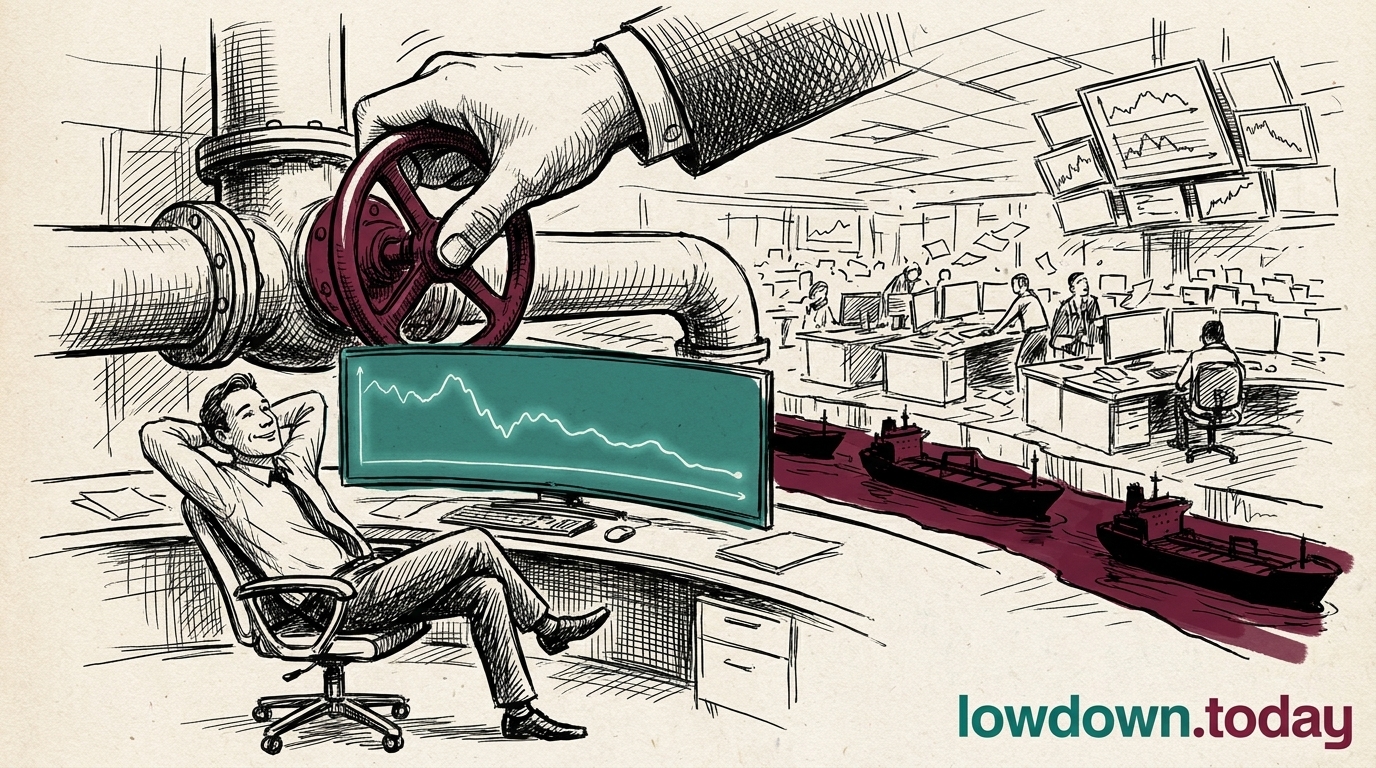
Novak removed the diesel ban's expiry, leaving European gasoil curves with no fixed date to price the unwind.

Deputy Prime Minister Alexander Novak tied any lifting of Russia's diesel export ban to an unspecified market recovery, with no calendar date attached, and extended the parallel gasoline export ban to end-2026, per Interfax on 25 July⁠1. Novak has held the energy brief in the Russian government for more than a decade and is the official who announces these instruments, so his framing is the operative one until a decree says otherwise. The ban restricts export of refined diesel from Russian refineries, which removes from the seaborne market the barrels that would ordinarily arbitrage a European product shortage.

This desk has carried the measure as running to 31 July since Novak set that terminus on 8 July. That date passed without a successor instrument and without a lapse, and the Argus assessments of 30 and 31 July show the constraint fully in force on either side of it. A constraint that was supposed to expire and simply did not is a different object from one that has been formally extended, because there is no new document to read.

Anyone modelling European gasoil forward has lost a date they could price against. A ban with a stated end can be priced: the curve carries the constraint to the terminus and releases it, and the shape of that release is tradeable. Tie the lifting to a market-recovery judgement made in Moscow and announced when it is announced, and the risk moves out of the calendar and into an assessment nobody publishes in advance. Time spreads on European gasoil now carry that judgement as an open-ended term, which pushes the exposure toward optionality and away from a dated roll, and it sits directly behind the supply picture that produced this window's record refining margins.

Deep Analysis

In plain English

Russia restricts how much diesel and petrol it exports, in part to keep enough fuel for its own domestic market. This desk had expected the diesel restriction to lapse on 31 July. Instead, Russia's deputy prime minister said any lifting now depends on an unspecified 'market recovery', with no date attached, and pushed the separate petrol restriction all the way to the end of 2026. That means traders betting on when Russian diesel exports resume no longer have a date to plan around, only a vague condition nobody can verify from outside Russia.

Deep Analysis
Root Causes

Novak's shift from a fixed lapse date to an unspecified market-recovery condition removes the one anchor forward curves had for pricing the ban's end; a fixed date lets hedgers build a calendar spread around it.

A condition-based trigger, an unpublished and unobservable threshold, cannot be priced directly, so the market is left extrapolating from the same crack and freight data already driving the current record rather than from any policy signal.

What could happen next?
  • Consequence

    Without a fixed reference date, expect forward diesel prices to keep tracking the physical crack and freight signals already elevated in this briefing rather than any Russian policy calendar, until Moscow names a concrete trigger.

First Reported In

Update #22 · The premium unwinds; the diesel crack does not

Interfax· 3 Aug 2026
Read original →
Causes and effects
This Event
Russia's diesel ban loses its end date
A supply constraint with a published expiry became one with no expiry, so the forward curve has nothing fixed to price the unwind against.
Different Perspectives
S&P Global
S&P Global
S&P Global said on 12 November that thin refining buffers leave jet fuel exposed to price spikes in 2027. Its view cuts against the pump-lag case, because tight middle distillates would keep jet and diesel dear even as crude falls.
European Union
European Union
The Commission proposed a 22nd package on 23 November that would list more than 70 more tankers and ban Russia-insured ones, after listing Balance Insurance on 16 November. It needs every member state's vote, so Russian tanker insurance becomes the EU's next test of unanimity.
UK households and hauliers
UK drivers paid 193.29p a litre for diesel in the week of 23 November, DESNZ data show, 31.33p more than petrol, and BoilerJuice quoted heating oil at 96.51p a litre before VAT. They pay the gap that crude's fall has not closed, with motor fuels up 33.2% in October's inflation figures.
Saudi Arabia and the OPEC+ Seven
The OPEC+ Seven held December output at September's level on 1 November, and Saudi Aramco priced December Arab Light to Europe below Brent, Attaqa reported. The full group decides on Sunday 29 November whether about 2m b/d of cuts outlast 2026, with Saudi diesel loadings already up 30% in early November.
Eni
Eni
Eni reported a third-quarter standard refining margin of $28.1 a barrel and raised its full-year assumption from $14 to $18. Its finance chief Francesco Gattei said on the 23 October call that the quarter to date was at $18, press coverage reported, so the refiner sees its windfall shrinking.
Gulf oil producer
Gulf oil producer
Secured OPEC's confirmed 188,000 b/d September increment with the next meeting set for 6 September, but the Secretariat's own 2 August release says nothing about the fourth quarter. Output guidance beyond September remains undisclosed even as delegate sourcing keeps filling that gap.

Written with AI from Lowdown's published reporting. Not individually reviewed by an editor. Editorial standards.
