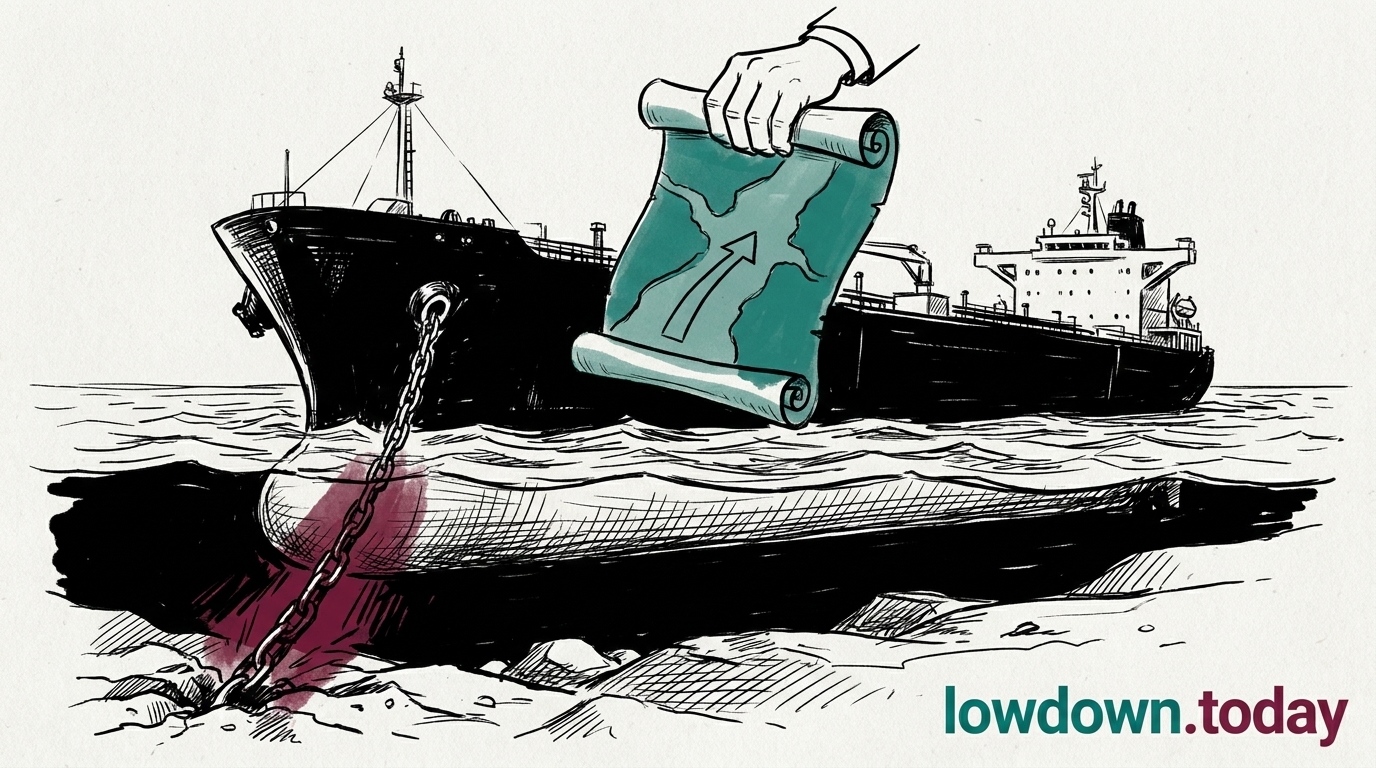
Ukraine's Verkhovna Rada approved the €90 billion EU loan agreement on 28 May, the largest single EU financial commitment to Ukraine of the war. The split between defence (€5.9bn) and macro-financial support (€3.2bn) reflects the EU's evolving position: it is now explicitly financing weapons procurement alongside the humanitarian and budgetary support it previously confined itself to.
The first €9.1bn tranche is expected mid-June, converging with GL 134C's expiry on 17 June and Istanbul Round 3's proposed 20-30 June window. Three major financial and diplomatic events in one week make it the most concentrated decision moment of 2026.
Hungary is the watch item: Budapest has previously used EU financial decisions as leverage, and whether the €9.1bn disburses on schedule depends partly on whether it raises new conditions.
Russia's Q1 deficit of 4.6 trillion rubles already overshot its 3.8 trillion full-year target ; the mid-June tranche directly offsets the fiscal pressure Ukraine faces over the same period.





