Skip to content
You can now search across every topic, entity and event.What's new
European Oil Markets
18MAY

Ten Hezbollah sites hit after clash

2 min read
17:30UTC

Israeli jets hit around ten Hezbollah sites across four south Lebanon villages on 2 July, hours after a Hezbollah gunman severely wounded an Israeli reservist at Bint Jbeil.

EconomicDeveloping
Key takeaway

Iran cannot reach nuclear talks without calming a border whose trigger sits with Hezbollah, not Tehran.

The Israel Defense Forces (IDF) struck around ten Hezbollah sites across Bint Jbeil, Beit Yahoun, Kounine and Baraashit on 2 July, hours after a Hezbollah gunman severely wounded a reservist from the 679th Yiftah Armoured Brigade at Bint Jbeil 1. Hezbollah, the Lebanese Shia armed movement, has fought Israel along the southern border since the war began in February. Israeli tank fire hit the building the gunman had fired from first, and the air strikes followed.

Iran named this border its precondition for nuclear talks, yet Tehran staged a week of national unity in the capital while the front it says must quieten stayed hot. Hezbollah has answered every framework put to it, rejecting the US-Israel-Lebanon disarmament text within hours on 27 June , and it has not stopped firing. The mourning in Tehran and the shooting in Bint Jbeil ran on the same days.

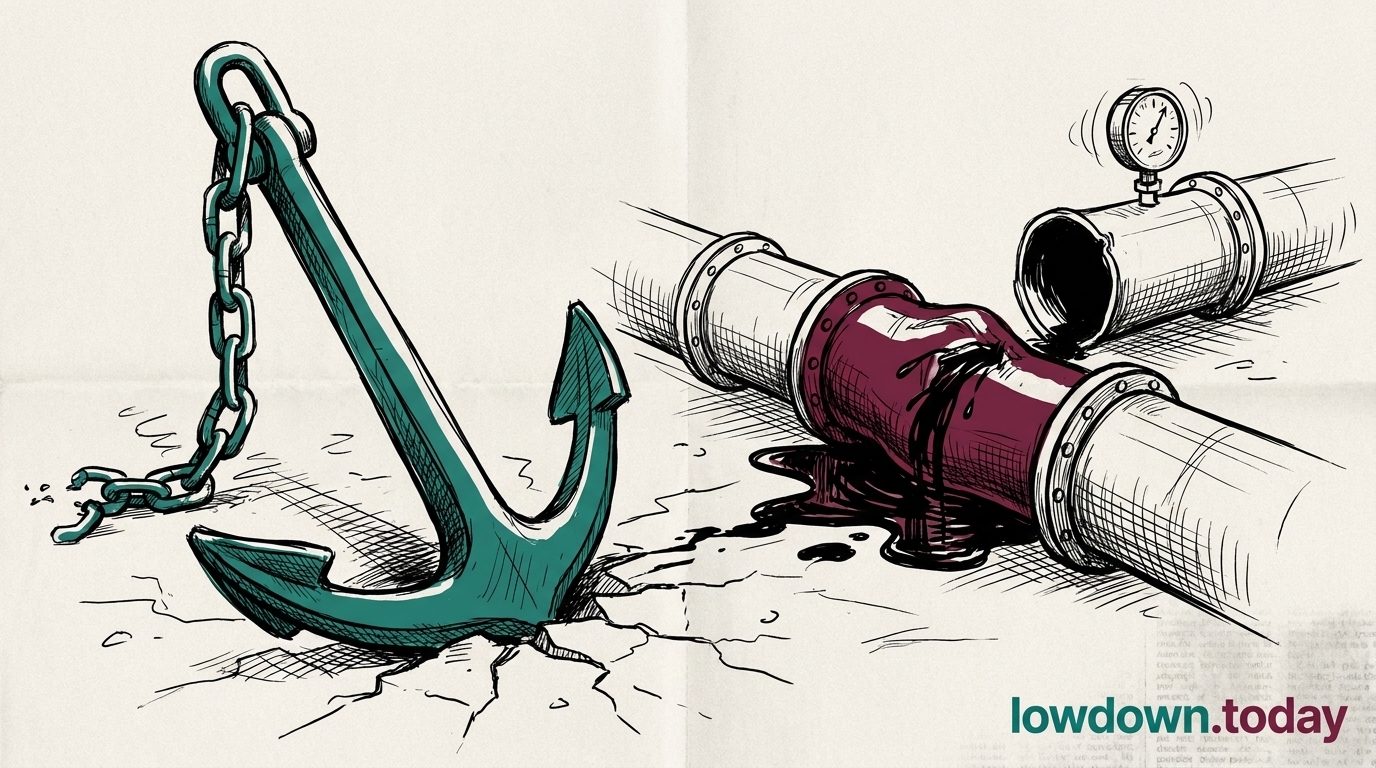
Iran ties any resumption of nuclear talks to calm on this border, yet the trigger sits with Hezbollah's own command, not with Tehran's negotiators. A single reservist wounded at Bint Jbeil drew ten sites of Israeli fire the same day, and neither Doha nor Tehran ordered the shot that started it. Each clash here resets the precondition Iran set for itself.


Deep Analysis

In plain English

Hezbollah is an armed and political group in Lebanon, backed by Iran, that has been fighting a border war with Israel. The Israel Defence Forces, or IDF, is Israel's military. On 2 July, a Hezbollah gunman badly wounded an Israeli army reservist in the town of Bint Jbeil in south Lebanon. Israel responded within hours by hitting around ten Hezbollah locations across four nearby villages with jets and tank fire. This matters because it shows the ceasefire lines from earlier this year have not stopped the fighting. One wounded soldier was enough to trigger strikes across multiple towns, the kind of quick, outsized response that keeps the war simmering even while diplomats discuss peace elsewhere.

Deep Analysis
Root Causes

The clash at Bint Jbeil happened inside a zone the IDF still physically occupies. The US, Israel and Lebanon signed a trilateral framework on 27 June tying withdrawal to Hezbollah's disarmament rather than a fixed Litani River line , but Hezbollah's secretary-general Naim Qassem rejected it within hours as a 'surrender of sovereignty'.

With no agreed line and no Hezbollah commitment, troops and fighters keep operating in overlapping territory, so any tactical contact carries a built-in risk of triggering a strike wave.

The 2 July toll also fits an established pattern. Israel struck roughly 80 Hezbollah sites on 19 June, the deadliest single day on the Lebanon front since the Islamabad MOU . A single Israeli casualty has repeatedly produced a double-digit strike count, suggesting the ratio itself has become the operating rule of engagement, whatever the trigger.

First Reported In

Update #145 · Iran's heir skips the funeral built for him

Times of Israel· 4 Jul 2026
Read original
Causes and effects
Different Perspectives
Greek shipping registries
Flag states dominating the tanker fleet await the EU's 15 July cap-freeze vote. A formula unlock toward $75 would loosen the ceiling squeezing insurance and crewing costs on their registered hulls.
US money managers
US money managers
NYMEX WTI managed-money net long fell 23% to +64,041 in the week to 7 July, trimming length into the rally on doubt the Hormuz premium survives without freight or war-risk confirmation.
European refiners (ARA)
ARA refiners are capturing an $80/bbl US diesel crack as Russian gasoil loadings collapsed to 234kbd before Novak's 31 July export ban even bites, widening the arbitrage straight into refining margins.
OPEC+
OPEC+
The seven-member group confirmed a fourth consecutive 188kbd August hike on 5 July, defending market share even though Saudi Arabia's $108-111/bbl breakeven means every added barrel costs Riyadh revenue it cannot recoup.
Indian refiners
Indian refiners
Refiners kept lifting discounted Urals as the India/Baltic split widened past $9-10 a barrel on 7 July. A wider Urals-Brent gap means cheaper feedstock locked in against Baltic buyers.
Russia
Russia
Urals traded $48.95-55.12 on 12-13 July, below Moscow's $59 budget floor even as Brent gained $6. Oil and gas fund roughly 30% of federal revenue, and Novak's diesel export ban is rationing a shrinking export base.