Skip to content
You can now search across every topic, entity and event.What's new
European Oil Markets
18MAY

Russia's drone window closes unconfirmed

1 min read
17:30UTC

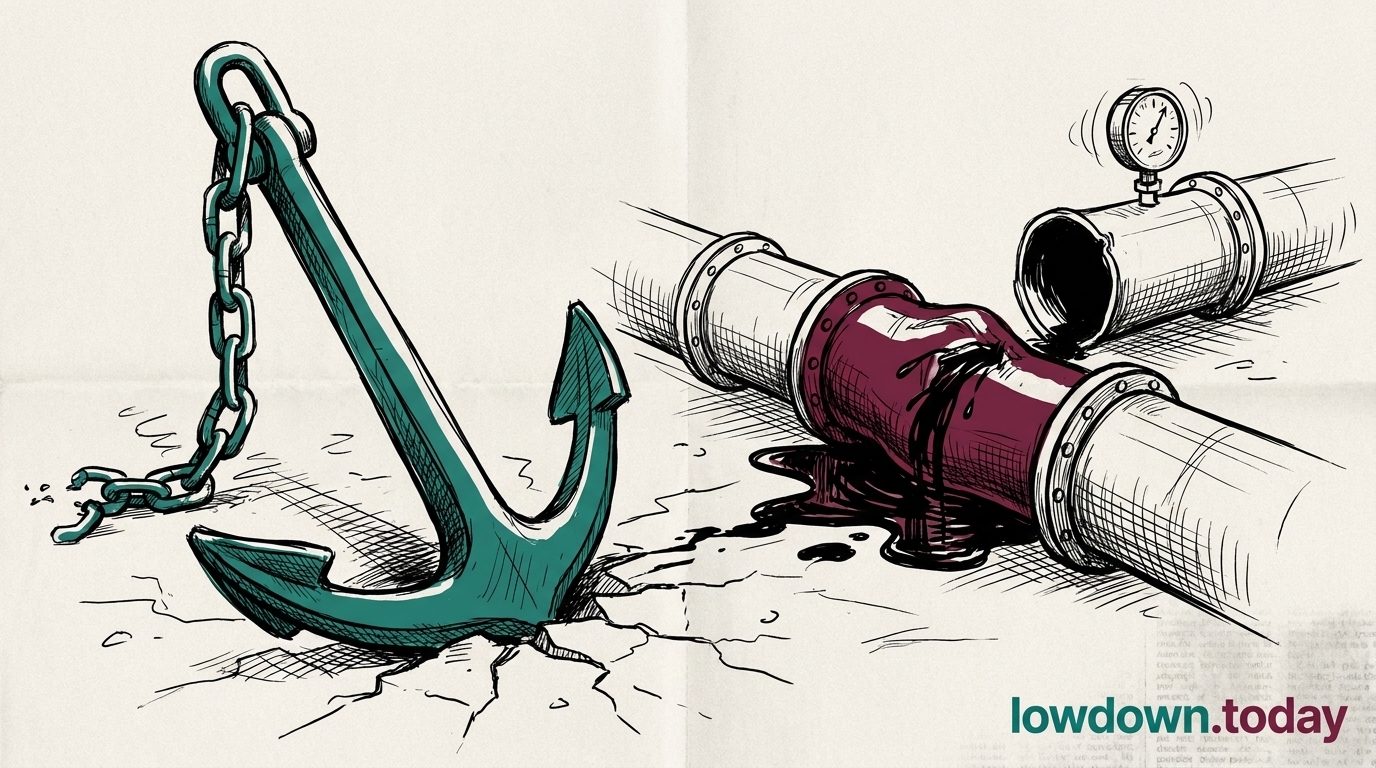
Western intelligence placed the end of March as the completion date for Russian drone deliveries to Iran. The deadline passed. The Kremlin denied everything. Nobody confirmed anything.

EconomicDeveloping
Key takeaway

Delivery status unknown; if complete, Iran's drone fleet upgraded.

EU High Representative Kaja Kallas confirmed at the G7 on 26 March that Russia's phased drone deliveries to Iran were due for completion by end of March. 1 The shipments include upgraded Shahed-136 and Geran-2 variants with AI guidance and jet propulsion, combat-tested in Ukraine. The Kremlin denied all transfers.

The window closed on 30 March with no public confirmation of delivery completion . The absence of confirmation is not the same as absence of delivery. First shipments began in early March. If completed, Iran would hold a significantly upgraded drone capability: AI-guided variants that can adjust course in flight and jet-propelled models harder to intercept than the older propeller-driven Shaheds.

The Prince Sultan Air Base strike on 27 to 28 March used 29 drones. Whether any were Russian-supplied remains unknown. The strike wounded 12 US troops, damaged a KC-135 tanker and an E-3 AWACS, and demonstrated a level of precision and coordination that raised questions about the drones' provenance .

Moscow simultaneously denies drone transfers, issues nuclear risk warnings through Rosatom about Bushehr, and benefits from elevated oil prices driven by the conflict it is materially supporting. Kallas stated at the G7 that Russia was providing electronic warfare guidance and drone employment training alongside the hardware. If confirmed, Russian drones striking a base hosting 2,000 to 3,000 US personnel would cross from intelligence sharing to direct material participation in attacks on American forces.


Deep Analysis

In plain English

Russia has allegedly been sending upgraded attack drones to Iran. Western intelligence agencies told journalists that the deliveries were due to be completed by the end of March. The EU's top foreign affairs official confirmed this timeline publicly at a summit of G7 countries. The end of March has now passed. Russia says nothing was sent. No independent source has confirmed whether the delivery happened. The drones in question are upgraded versions of a type called the Shahed, which Russia also used extensively in Ukraine. The upgraded versions can adjust their course in flight and are harder to intercept. If Iran received them, it would have significantly better drones than before. A recent attack on a US air base in Saudi Arabia used 29 drones. Whether any of those were Russian-supplied is unknown.

What could happen next?
  • Risk

    If delivery completed, Iran holds AI-guided Shahed variants tested against Western air defences in Ukraine, representing a qualitative step-change in drone precision over the baseline Shahed-136.

First Reported In

Update #52 · Trump wants Iran's oil; 3,500 Marines land

Washington Post / Financial Times· 30 Mar 2026
Read original
Different Perspectives
Indian refiners
Indian refiners
Indian refiners kept lifting discounted Urals as the India/Baltic price split widened past $9-10 a barrel, a gap that only grows as GL X1's Iranian wind-down cuts an alternative discounted grade off the market by 17 July. Cheaper Russian feedstock is being locked in while it lasts.
Chinese refiners
Chinese refiners
Chinese refiners gain leverage as the Urals-Brent discount widens, since Beijing's state buyers already source discounted Russian barrels near the fiscal floor unaffected by Western insurance costs. A wider discount, if it holds past 23 July, lets them lock in cheaper term contracts regardless of the cap's outcome.
US money managers (CFTC-tracked)
Managed money trimmed WTI net length into the rally, positioning that reflects doubt the Hormuz premium survives without freight or war-risk confirmation. The Brent-WTI spread widening almost entirely on the Brent leg supports that scepticism about a broad-based repricing.
OPEC+ (Saudi-led subgroup)
Saudi Arabia is defending market share through a fourth straight 188kbd August hike even as OPEC's own July MOMR cut 2026 demand growth for the fourth consecutive month. At a $108-111 fiscal breakeven, every added barrel costs Riyadh revenue it cannot recoup, so the hike reads as a positioning signal, not a demand bet.
Greek shipping registries
Greece, backed by Cyprus and Malta, is pushing a three-month cap-freeze compromise against the Commission's freeze to January 2027 ahead of the 23 July vote. Athens' and Valletta's combined tanker registrations mean a shorter review gives their insurers more frequent chances to reprice risk on Russian cargoes.
Russia (Deputy PM Alexander Novak)
Novak extended the diesel export restriction to producers on 8 July, the first producer-binding curb of the war, protecting the domestic pump price ahead of any refinery repair timeline. Urals still trades below Russia's $59 budget floor even as Brent gained, so the ban trades export revenue for fiscal stability at home.