Skip to content
You can now search across every topic, entity and event.What's new
European Oil Markets
18MAY

Grid strike deadline looms over Iran

2 min read
17:30UTC

The third energy ultimatum expires on 6 April with no extension announced. Previous deadlines were extended days in advance.

EconomicAssessed
Key takeaway

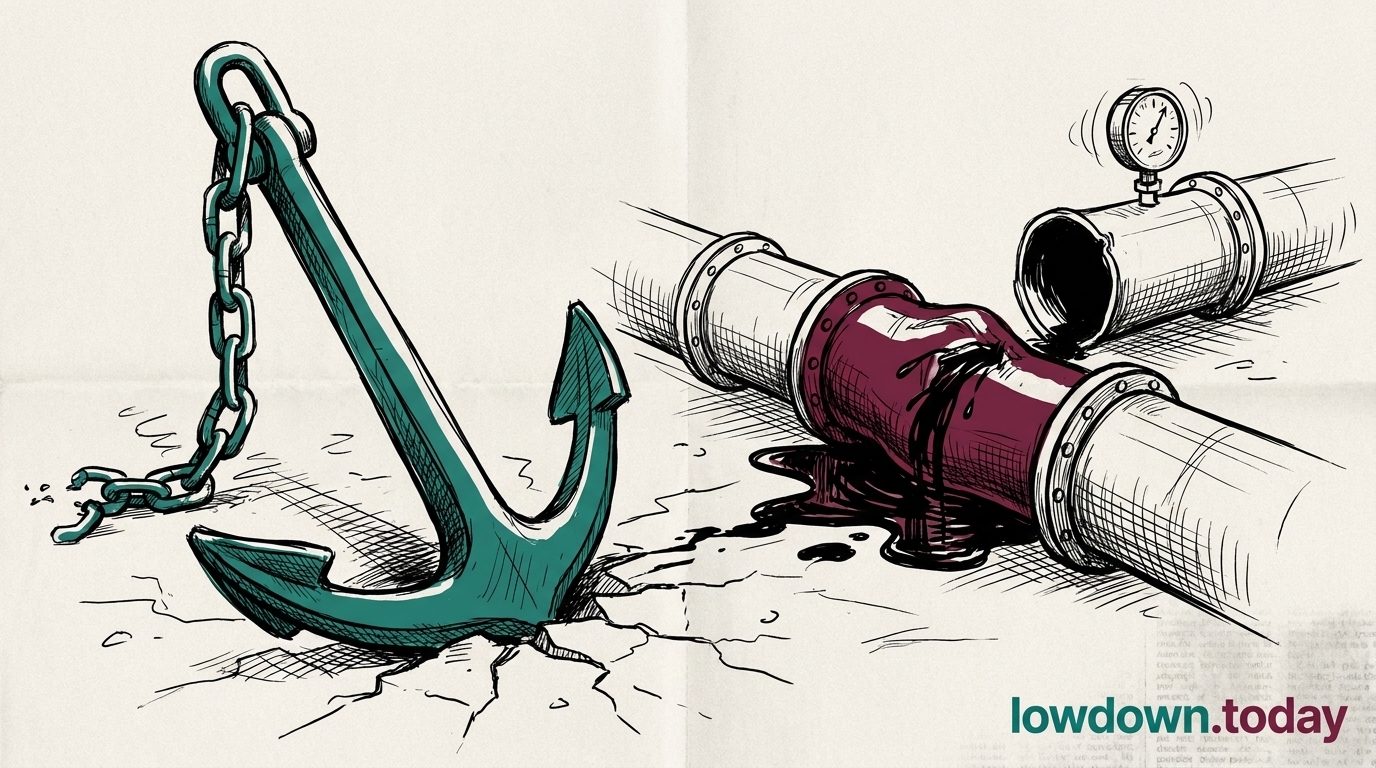
Enforcing the deadline fractures alliances; extending it again exhausts the threat.

Trump's third energy deadline expires at 8pm EDT on 6 April . Iran must reopen the strait of Hormuz or face strikes on 15 identified power grid nodes, a scenario analysts project would leave Iran without electricity until 2027. No extension has been announced as of 4 April morning. Prior extensions came two to three days in advance. 1

The deadline arrives in a changed context. France and Japan just transited Hormuz by paying Iran. The US lost its first aircraft. Iran's Majlis voted 221-0 to suspend IAEA cooperation . The previous two deadlines (16 March, 23 March) were extended; the third was set for 6 April on 27 March. Each extension eroded the threat's credibility.

Three outcomes: grid strikes, a fourth extension, or quiet abandonment. Enforcing it now would require strikes against civilian power infrastructure while allies actively pay Iran for passage. Not enforcing it would confirm the deadline mechanism is spent.


Deep Analysis

In plain English

Trump has three times set a deadline for Iran to reopen the Strait of Hormuz or face strikes on its power grid. The third deadline expires on 6 April. The previous two were extended at the last minute. As of 4 April, no extension has been announced, but France and Japan just paid Iran to use the strait. If Trump enforces the deadline, he strikes civilian infrastructure while allies are doing deals with Iran. If he extends again, the threat stops meaning anything.

Deep Analysis
Root Causes

Each deadline extension was driven by allied pressure and the absence of a clear enforcement trigger. France, Germany, and the UK lobbied against grid strikes on civilian infrastructure at each previous extension.

The Pakistan-Vance back-channel before Kharazi's wounding provided a diplomatic off-ramp that justified delay. Neither factor has been resolved; both have worsened as France and Japan's transits signal the collective posture is already broken.

What could happen next?
  • Risk

    Grid strikes on civilian power infrastructure would trigger a European and UN response that fractures remaining alliance support for the campaign.

    Immediate · High
  • Consequence

    A fourth extension would confirm the deadline mechanism is exhausted, removing coercive pressure on Iran permanently within this conflict.

    Short term · High
  • Opportunity

    Quiet abandonment of the deadline, without announcement, could allow face-saving de-escalation if paired with a back-channel ceasefire signal from Pezeshkian.

    Short term · Low
First Reported In

Update #58 · First US aircraft fall over Iran

CNBC / Al Jazeera / NPR· 4 Apr 2026
Read original
Different Perspectives
Indian refiners
Indian refiners
Indian refiners kept lifting discounted Urals as the India/Baltic price split widened past $9-10 a barrel, a gap that only grows as GL X1's Iranian wind-down cuts an alternative discounted grade off the market by 17 July. Cheaper Russian feedstock is being locked in while it lasts.
Chinese refiners
Chinese refiners
Chinese refiners gain leverage as the Urals-Brent discount widens, since Beijing's state buyers already source discounted Russian barrels near the fiscal floor unaffected by Western insurance costs. A wider discount, if it holds past 23 July, lets them lock in cheaper term contracts regardless of the cap's outcome.
US money managers (CFTC-tracked)
Managed money trimmed WTI net length into the rally, positioning that reflects doubt the Hormuz premium survives without freight or war-risk confirmation. The Brent-WTI spread widening almost entirely on the Brent leg supports that scepticism about a broad-based repricing.
OPEC+ (Saudi-led subgroup)
Saudi Arabia is defending market share through a fourth straight 188kbd August hike even as OPEC's own July MOMR cut 2026 demand growth for the fourth consecutive month. At a $108-111 fiscal breakeven, every added barrel costs Riyadh revenue it cannot recoup, so the hike reads as a positioning signal, not a demand bet.
Greek shipping registries
Greece, backed by Cyprus and Malta, is pushing a three-month cap-freeze compromise against the Commission's freeze to January 2027 ahead of the 23 July vote. Athens' and Valletta's combined tanker registrations mean a shorter review gives their insurers more frequent chances to reprice risk on Russian cargoes.
Russia (Deputy PM Alexander Novak)
Novak extended the diesel export restriction to producers on 8 July, the first producer-binding curb of the war, protecting the domestic pump price ahead of any refinery repair timeline. Urals still trades below Russia's $59 budget floor even as Brent gained, so the ban trades export revenue for fiscal stability at home.



