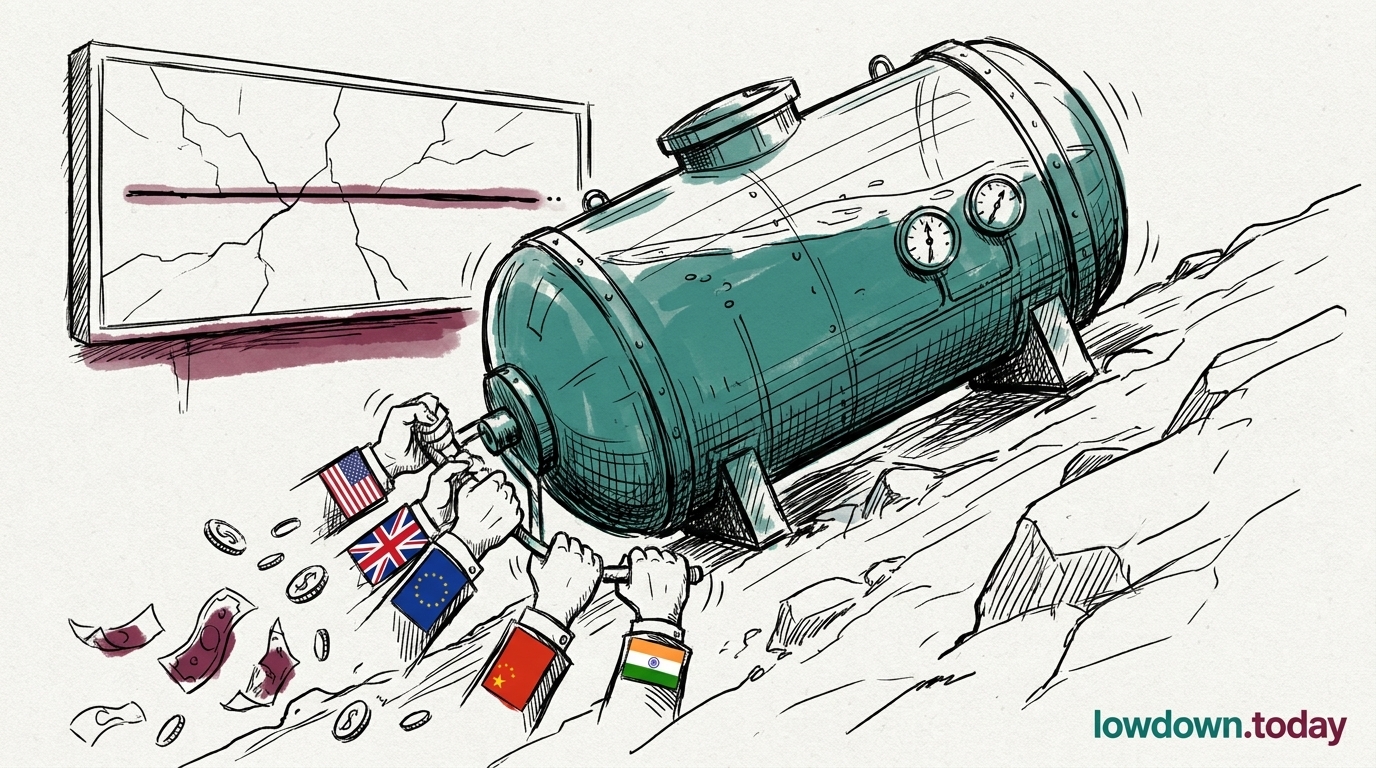
Germany ran roughly 0.50 pp/day over 22-24 May, climbing from 28.86% to 29.83% fill on net 1,242 GWh on the 24th, nearly double the 634 GWh booked on the 22nd, with no injection-incentive scheme in place after the storage levy lapsed on 1 January1. Bloomberg reported on 20 May that Berlin will not intervene this summer and that the inverted strip leaves operators injecting against negative economics2. Germany's 745 GWh/day season-high in April was a levy-era print; this rebound carries no state cover at all.
That creates the paradox the desk has to price. If Berlin will not pay and the strip pays nothing, what drove the volume doubling in two days? The candidate is the TTF break above €50, which gave commercial injectors a window to lock cost into an intraweek spike rather than book against a negative strip indefinitely.
The distinction matters for where the cleaner short sits. A mandate-funded leg reverses when the funding or the policy goes; a price-signal leg reverses only when the price does. If German operators stepped into the spike on a cost-lock rationale, German fill is the one leg that holds on a TTF retreat, and the short belongs on the compelled Dutch and French injection instead. The economics are not directly observable from fill data, so the German leg stays the ambiguous one in the thesis, sturdier than the headline fragility frame would suggest.




