Skip to content
Briefings are running a touch slower this week while we rebuild the foundations.See roadmap
European Energy Markets
26MAY

EU needs 469 TWh injection, 39 extra cargoes

3 min read
12:01UTC

Argus quantified the summer fill arithmetic on 22 April; Germany's 21% winter exit is the binding constraint.

EconomicDeveloping
Key takeaway

Closing the 469 TWh gap needs higher TTF to outbid Asia, with no Brussels subsidy to take the strain.

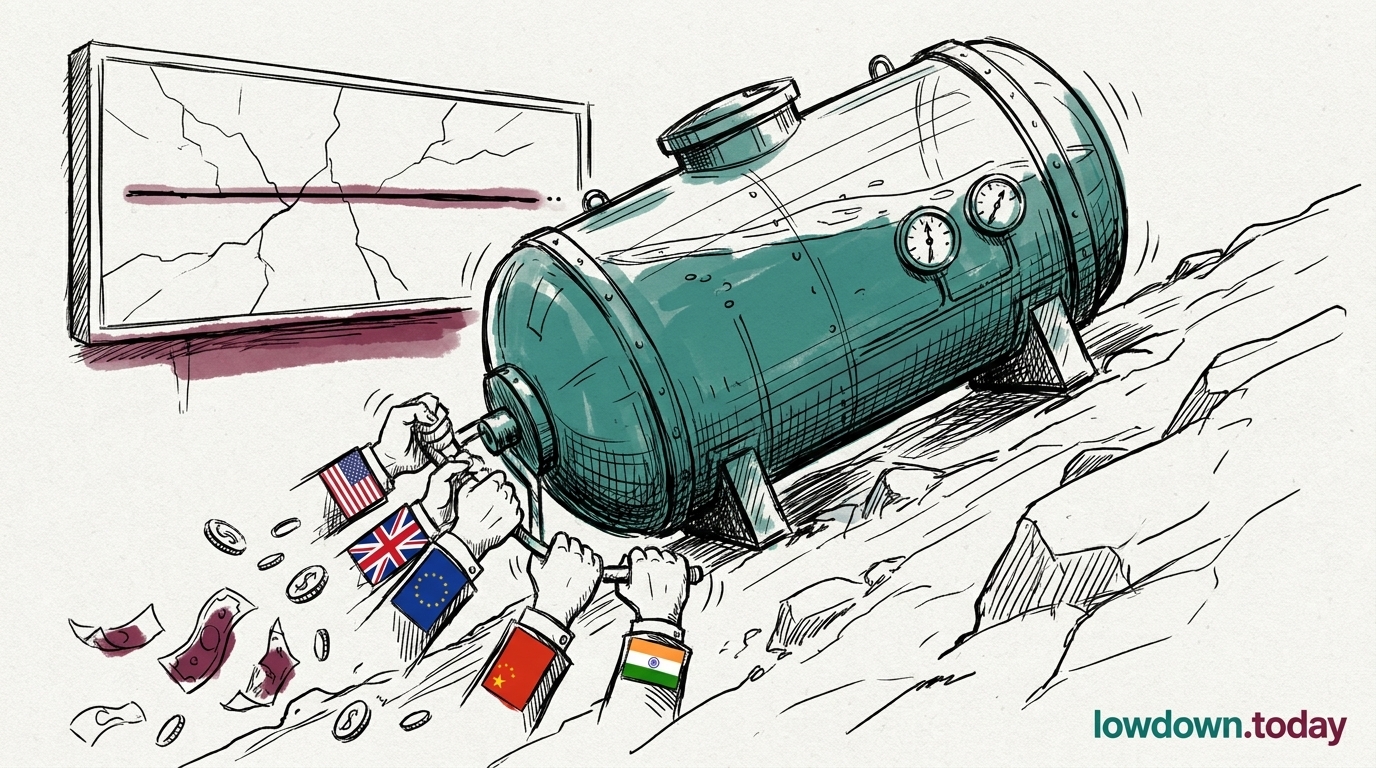
Argus Media published summer fill arithmetic on 22 April, putting EU underground gas storage at 314 TWh (27.7% of capacity) on 1 April, a 73 TWh deficit versus the prior year 1. Germany ended winter at 21% of capacity, its lowest reading since 2018 . To reach the revised 80% November fill target, the EU must inject 469 TWh over the summer, equivalent to 39 LNG cargoes above 2025 volumes.

Germany holds the binding constraint: it owns the largest working capacity and the deepest relative deficit. VNG AG, the Leipzig gas utility, called for federal intervention after its Reden cavern drew bookings of only 21 Mmcm for 2026-27, roughly one two-hundredth of capacity . Operators are declining to book because summer 2026 contracts sit inverted against winter 2026-27 at major hubs; the spread does not cover the cost of injection. Aggregate EU injection in the first fortnight of April matched 2025 pace at a cost around USD 300 million higher, which locks in the deficit rather than closing it.

The 469 TWh figure assumes Atlantic LNG fills the Qatar/UAE gap of roughly 7% of 2025 imports, a gap unfilled since 28 February. At TTF EUR 42.39 and the JKM-TTF spread compressed, Atlantic cargoes route preferentially to Asia. The injection arithmetic closes only if TTF rises enough to outbid Asian buyers, which implies meaningfully higher European gas prices before the target moves into reach. With the AccelerateEU package skipping any storage mechanism and the Russian short-term ban removing roughly 1.5 bcm per month from 25 April , the self-correction has no fiscal buffer to lean on.

Deep Analysis

In plain English

European countries store natural gas underground over the summer so there is enough to heat homes in winter. On 1 April 2026, EU storage was only 27.7% full, far below where it needs to be. To reach 80% by November, Europe needs to buy and store the equivalent of 39 extra gas tanker cargoes compared to last summer, while simultaneously dealing with less supply from the Middle East, Norway, and Russia.

What could happen next?
  • Risk

    With the JKM-TTF spread compressed and Asian spot bidding firm, the 469 TWh injection target requires TTF to rise enough to outbid Asian buyers for Atlantic cargoes, implying European gas prices must increase before the target becomes reachable.

  • Consequence

    Germany's binding constraint position means any federal injection mandate or intervention, if eventually authorised under Regulation 2017/1938, would disproportionately distort German wholesale gas markets rather than spreading the cost across EU member states.

First Reported In

Update #4 · AccelerateEU skips gas; three removals land

Argus Media· 22 Apr 2026
Read original
Different Perspectives
Cefic and European industrial gas offtakers
Chemical manufacturers running at 62-68% utilisation face mandate-funded storage that secures volume at above-commercial prices without reducing gas costs. A EUR 35bn refill bill, if confirmed, flows back through regulated network tariffs, adding directly to industrial energy costs already named by BASF and INEOS as structural.
OIES and energy research institutions
Bruegel and OIES have not published a revised refill cost model at EUR 47-51 TTF with sub-0.4 pp/day pace. The EUR 35bn mid-range is drifting into use as the operative sub-80% November consensus, and the 11 June ACER workshop is the next venue where EU-level storage instrument advocacy can surface.
Equinor upstream gas
The Troll A compressor fault removed 34.6 mcm/day, stacked on Hammerfest, yet TTF fell 8.1% on Iran news the same day. Norwegian supply disruptions carry no price premium while Hormuz dominates; Equinor's 31 May Troll restart is a first estimate and the 2025 Hammerfest compressor fault of the same class slipped 24 days.
German Economy Ministry and Bundesnetzagentur
Berlin confirmed on 20 May it will not introduce a summer injection-incentive scheme, leaving Germany as the EU's only major unincentivised market after the storage levy lapsed on 1 January 2026. Commercial injectors apparently used the 18 May EUR 50 spike to lock winter supply cost rather than book against a structurally negative strip.
CRE and French gas operators
CRE's 100% mandatory booking order funds French injection regardless of the inverted strip, providing the EU aggregate cover that masks Germany's gap. The French position is insulated from TTF price moves but exposed to CRE's annual renewal cycle, a political risk rather than a commercial one.
Amsterdam-Rotterdam gas trading desks
TTF's 8.1% crash on a deal headline despite 50-plus mcm/day of verified Norwegian outages settled the EUR 50 question: it is a diplomatic ceiling, not a floor, and the short EUR 50-strike summer position keeps paying until Iran resolves. EBN's price-insensitive mandate buying tightens the prompt but the EUR 233m budget cap is a known position risk.

