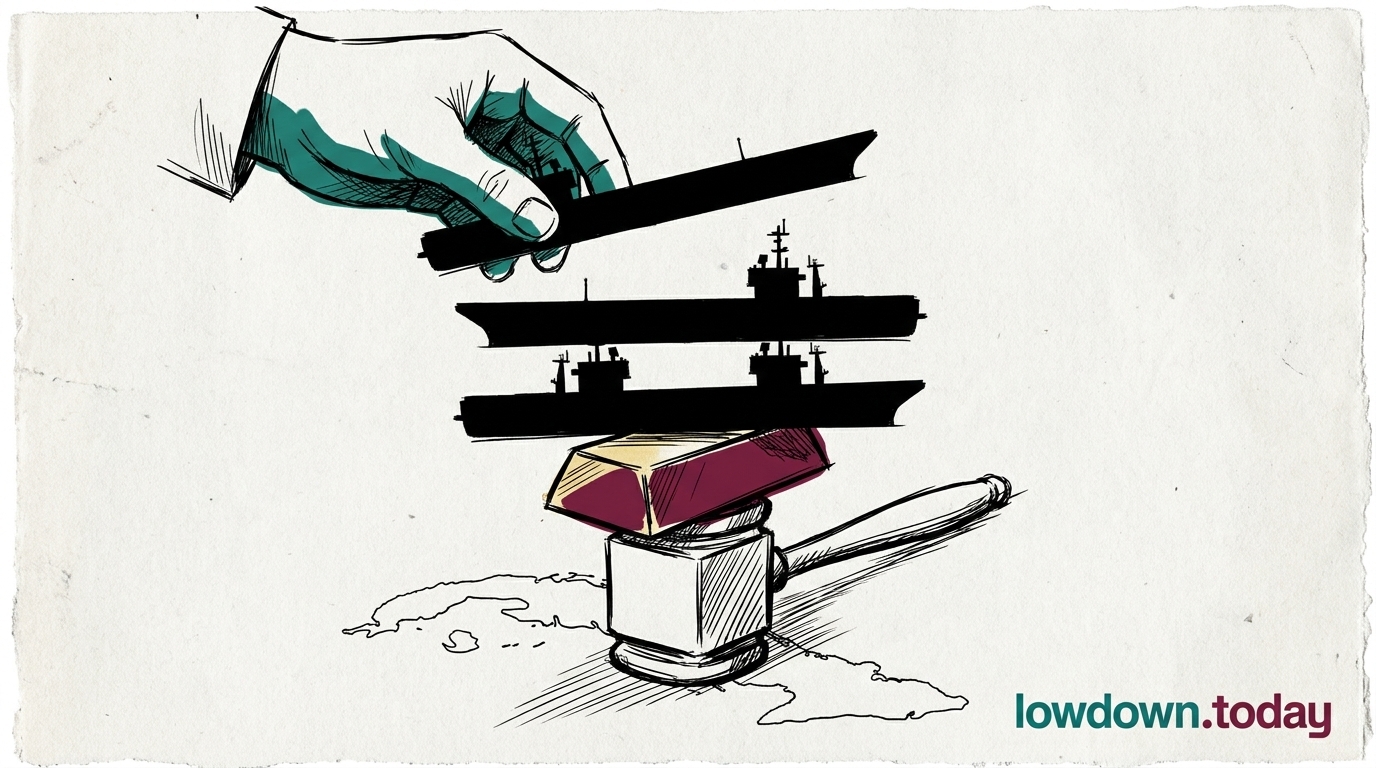
The European Council, the only EU body that can impose restrictive measures, has opened no sanctions track against Cuba, three weeks after the European Parliament voted 283-199 on 18 June for Magnitsky-style sanctions against Miguel Díaz-Canel and suspension of the EU-Cuba cooperation agreement. Magnitsky measures are a framework for freezing the assets and barring the travel of named human-rights abusers. A Parliament resolution does not bind the Council.
In the same month Spain's foreign minister José Manuel Albares received Cuba's deputy prime minister Óscar Pérez-Oliva in Madrid, with Spanish diplomacy focused on shielding the hotel groups Meliá and Iberostar from US sanctions1. Kaja Kallas, the EU's foreign-policy chief, called the cooperation agreement a failure, yet Spain holds an effective veto over any Cuba measure.
The EU's own Blocking Statute, which refuses to recognise US extraterritorial sanctions, sits awkwardly beside its Parliament's vote to impose sanctions of its own. Madrid's commercial stake in Cuban tourism, the exposure the Supreme Court has now enlarged for its flagship operators, is the reason the split holds.




