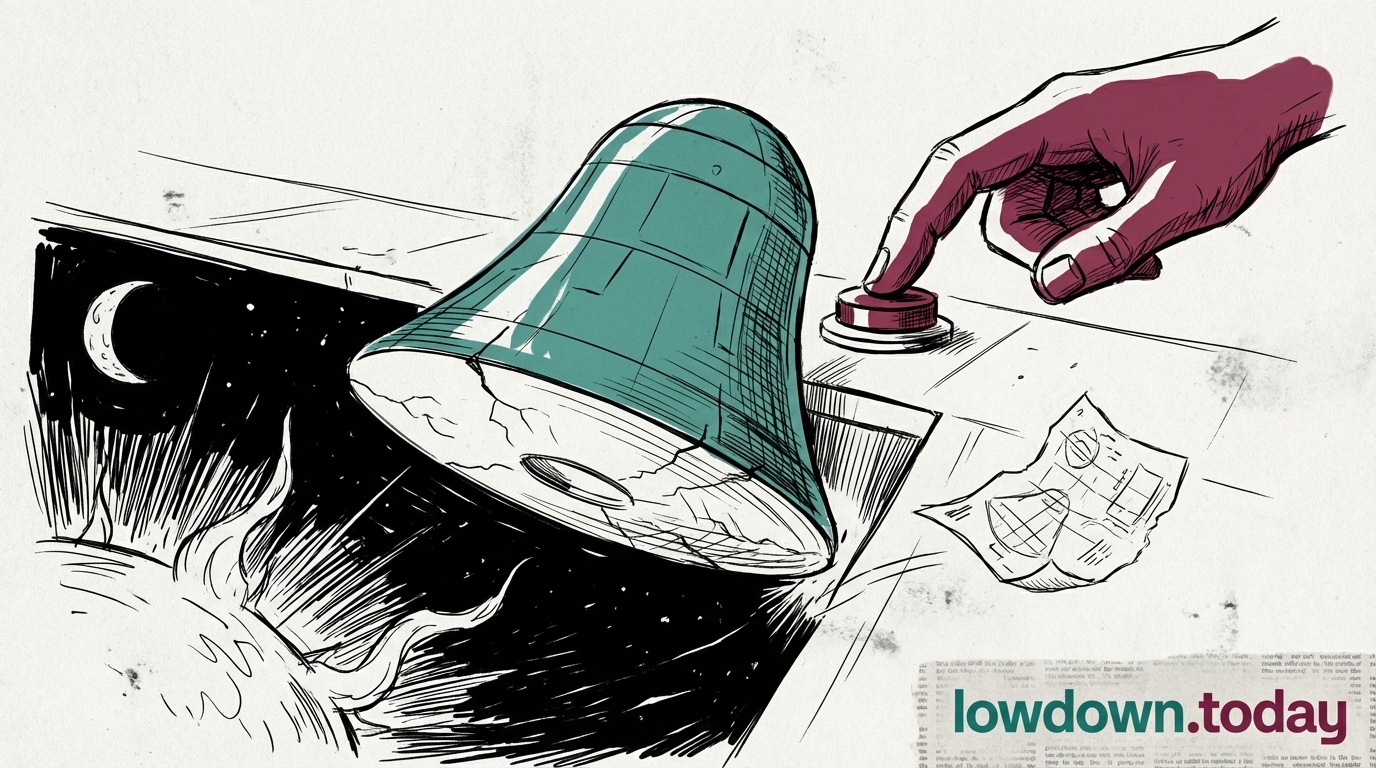
NASA's Office of Inspector General published a report in May 2024 identifying three distinct failure modes in Orion's heat shield1. Material spalling, where chunks of the Avcoat ablative coating detach under thermal stress, was the first. Bolt erosion beyond thermal barriers, exposing structural fasteners to reentry heating, was the second. Fragment impact risk to the parachute compartment, where ejected shield material could damage the system that slows the capsule for splashdown, was the third.
One finding stands apart from the rest. The OIG warned that separation bolt melt could allow hot gas ingestion behind the heat shield, "exceeding structural limits and resulting in crew loss"2. This is not a degraded-performance scenario. It is a single-point catastrophic failure mode.
NASA's safety case for Artemis II rests on analytical models that did not predict the original spalling on Artemis I. The same models, updated but not independently validated in public, now underpin the conclusion that the steeper reentry trajectory avoids the conditions that caused the damage3.
The OIG has described NASA's cost savings goals as "highly unrealistic." Its heat shield findings carry a similar weight: documented risks, with mitigation resting on models that have already been wrong once.



