Skip to content
Briefings are running a touch slower this week while we rebuild the foundations.See roadmap
Artemis II Moon Mission
2APR

OIG Audit Finds Lunar Lander Two Years Late

3 min read
11:46UTC

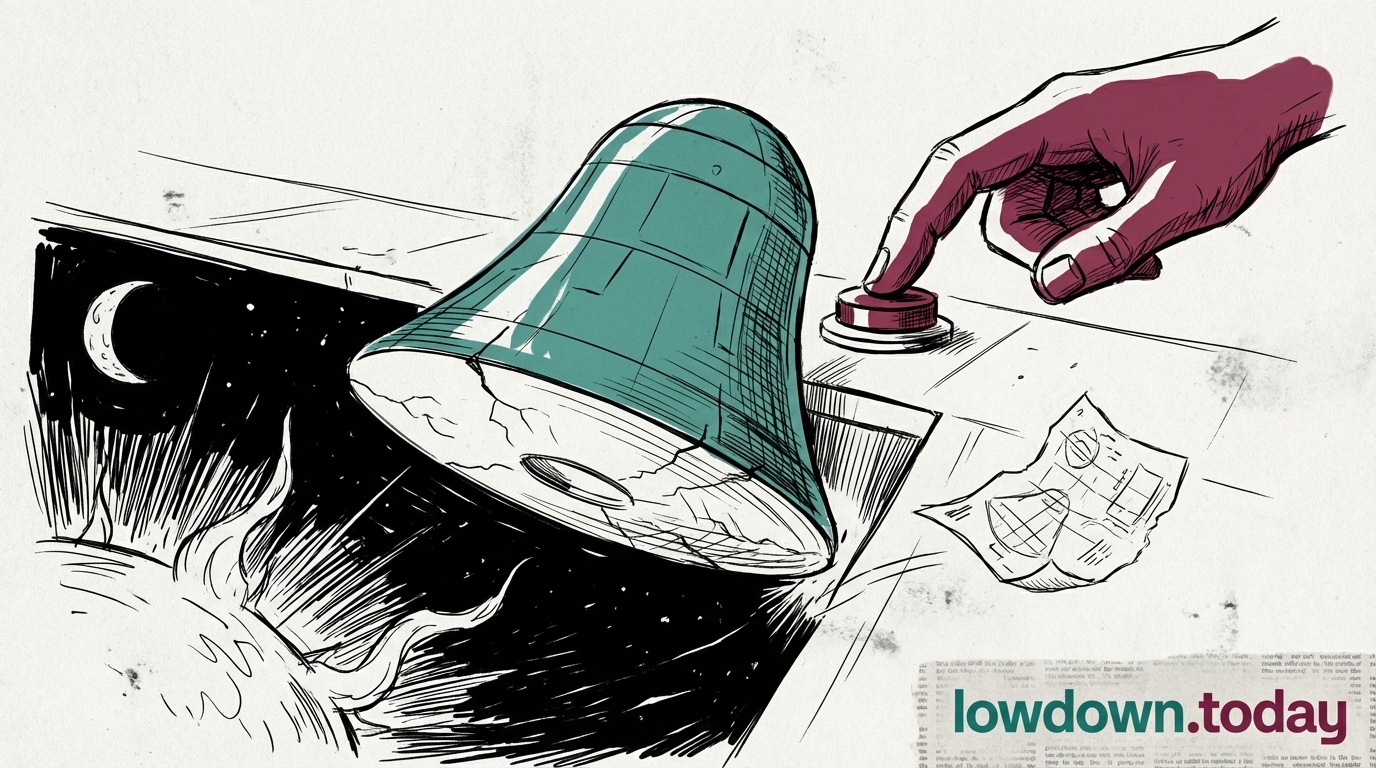
Three weeks before launch, NASA's own watchdog reported that neither lunar lander is ready and SpaceX is fighting the agency over manual crew control. The findings were eclipsed by launch day.

ScienceDeveloping
Key takeaway

Starship HLS is two years late with an unresolved crew control dispute.

NASA's Inspector General published audit IG-26-004 on 10 March 2026, three weeks before Artemis II launched 1. Its findings on the Human Landing System contracts have received scant attention amid launch coverage.

SpaceX's Starship HLS has slipped at least two years from its contract timeline and will not be ready for the planned June 2027 target 2. The contract has grown 6% from its original $4.3 billion value 3. The cost growth is modest by NASA programme standards. The schedule slip is not.

More consequentially, NASA and SpaceX are in active disagreement over whether SpaceX is meeting the intent of the manual crew control requirement 4. The OIG characterises this as a "worsening trend" 5. Manual control matters because the first crewed lunar descent since 1972 will depend on whether astronauts can override the lander's autonomous systems in an emergency. If the dispute is not resolved, the crew may land on full automation only, with no manual override available.

Administrator Isaacman redesignated Artemis III from a crewed lunar landing to a low Earth orbit lander test in February . The lander that test was designed to validate is itself behind schedule. Artemis IV, now the first potential crewed landing, targets 2028. China's target is 2030 . Two years separate them on paper. The OIG audit suggests the paper may be optimistic.

Deep Analysis

In plain English

To land on the Moon, the astronauts need a separate lander spacecraft waiting for them in lunar orbit. NASA is relying on SpaceX to provide that lander. A report from NASA's own internal watchdog, published three weeks before this launch, found the SpaceX lander is at least two years behind schedule. It also found that NASA and SpaceX are arguing about whether the crew will be able to manually fly the lander themselves if something goes wrong — or whether they will have to rely entirely on the computer. That argument is described as getting worse, not better.

Deep Analysis
Root Causes

The Starship HLS schedule slip has two distinct root causes. The first is architectural: Starship HLS is a modified version of a vehicle SpaceX is simultaneously developing for commercial and government purposes, creating competing priority and design constraints that do not apply to a purpose-built lunar lander.

The second is contractual: NASA awarded a fixed-price commercial contract that assumes SpaceX's cost and schedule projections are achievable, without the programme oversight mechanisms that traditional cost-plus contracts provide.

The manual control dispute traces to a philosophical root cause: SpaceX and NASA hold genuinely different views of whether human override of autonomous systems increases or decreases safety in an emergency landing scenario.

What could happen next?
  • If Starship HLS slips beyond the already-revised 2029 window, China's 2030 crewed Moon target could be met before the United States completes its first landing under Artemis.

  • An unresolved manual crew control requirement means the astronauts who land on the Moon under Artemis IV may have no ability to override autonomous landing systems in an emergency.

First Reported In

Update #2 · Solar storm threatens Orion beyond Earth

NASA Office of Inspector General· 3 Apr 2026
Read original
Causes and effects
This Event
OIG Audit Finds Lunar Lander Two Years Late
The OIG audit documents that the lander Artemis III was redesigned to test is itself behind schedule, compounding the programme's timeline vulnerability against China's 2030 target.
Different Perspectives
JAXA
JAXA
JAXA is an Artemis Accords signatory with the Lunar Cruiser rover planned for south-pole surface operations; Chang'e 7's first-arrival timeline compresses the window those surface systems were designed to operate in alongside American crew.
Space Research Institute RAS / Roscosmos
The LILEM instrument on Chang'e 7 gives Russia science-cooperation presence at Shackleton's rim with no independent crewed lunar capability on a public timeline. This is Roscosmos's only confirmed path to south-pole science in the current decade.
CNSA / China Manned Space Agency
Chang'e 7 at Wenchang confirmed a second-half 2026 launch for Shackleton rim, 18 to 24 months before any American crewed arrival. The mission carries a Russian LILEM instrument, giving Roscosmos a south-pole science foothold inside China's programme.
Jeremy Hansen / Canadian Space Agency
Hansen appeared at the 16 April JSC press conference in his only public moment since splashdown. Canada's Canadarm3 remains without a confirmed deployment host after Gateway cancellation, with CSA maintaining institutional silence on the programme's status.
Airbus Defence and Space
Airbus has issued no post-mission ESM performance statement; its press room returned a 404 error on a 14 April check. The only named Airbus engineer quote on the mission appeared in a Nature interview, not a company release.
Daniel Neuenschwander / European Space Agency
ESA's 11 April statement praised ESM translunar injection precision and omitted the pressurisation valve anomaly; the June 2026 Council is the sole stated review forum. ESM-3 is at KSC without a corrected-baseline disclosure to justify its readiness.