Skip to content
Briefings are running a touch slower this week while we rebuild the foundations.See roadmap
Artemis II Moon Mission
2APR

Orion Flies on an Unrepaired Heat Shield

3 min read
11:46UTC

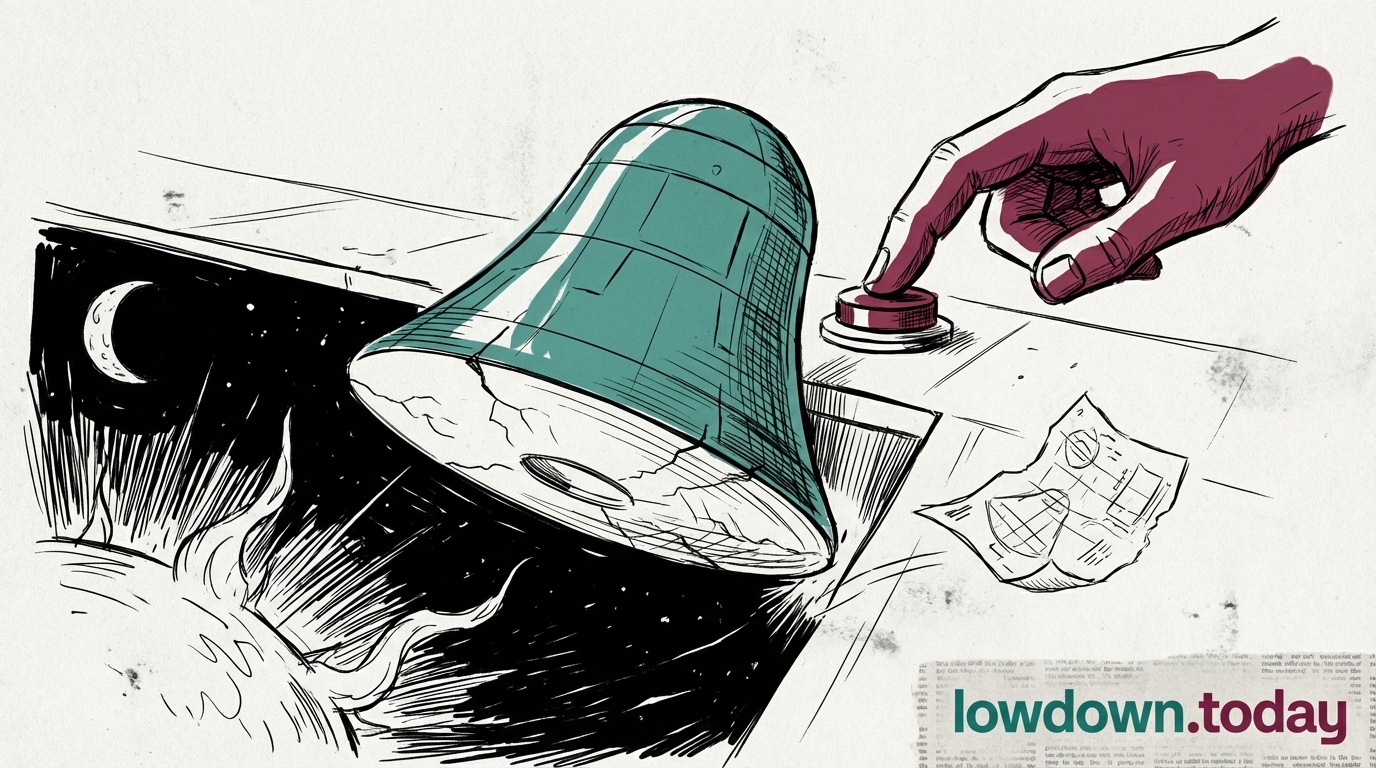
NASA never published its Independent Review Board findings on Artemis I heat shield damage. The fix is a changed flight path, not a repaired shield.

ScienceDeveloping
Key takeaway

Reentry on 10 April will first test a trajectory adopted to avoid a known heat shield flaw.

Orion's heat shield lost ablative material at more than 100 locations during the uncrewed Artemis I test flight in November 2022 1. Trapped gas built pressure beneath the Avcoat thermal protection coating during a planned skip-reentry manoeuvre, cracking the surface and ejecting char fragments. NASA identified the root cause but never released the findings of its Independent Review Board, led by former shuttle flight director Paul Hill.

The shield was already built and installed on the Artemis II capsule. No hardware repair was possible. NASA's mitigation is a trajectory change: a steeper direct-descent reentry that eliminates the skip manoeuvre but subjects the crew to higher deceleration forces 2. The underlying shield design remains unchanged.

Commander Reid Wiseman told Aerospace America: "If we stick to the new reentry path, this heat shield will be safe to fly" 3. Jeremy Hansen offered a franker assessment: "This country now knows things about heat shields they didn't know they didn't know."

The Aerospace Safety Advisory Panel quarterly meeting is scheduled for today. Whether it addresses the suppressed IRB findings publicly would be a significant development. The real test arrives on approximately 10 April, when Orion executes a reentry profile that has never carried a crew.


Deep Analysis

In plain English

After Artemis I's uncrewed test flight in 2022, engineers discovered that the heat shield had cracked and shed chunks at over 100 locations. The heat shield is the part that protects the capsule and crew from burning up when they re-enter Earth's atmosphere at 25,000 miles per hour. NASA set up an independent review board to investigate. That board's findings have never been published. What we know is that the shield was already built into the Artemis II capsule and could not be replaced without a massive delay and expense. Instead of repairing the shield, NASA changed the flight path home to a steeper angle that avoids the specific manoeuvre that caused the damage. The crew is relying on that trajectory change holding up. On approximately 10 April, the shield will be tested for the first time with humans inside.

Deep Analysis
Root Causes

The underlying cause is that Orion's heat shield was fabricated using a manufacturing process that generated more microporosity in the Avcoat material than models predicted. Gas trapped in those voids expanded at reentry temperatures, driving spalling that exceeded model predictions.

The reason the review board findings were not published is less clear. NASA's standard practice is to publish safety review findings. The suppression is consistent with programme schedule pressure: publishing findings that documented a known flaw on a crewed vehicle would invite congressional scrutiny and legal exposure.

The trajectory change is genuine engineering mitigation. The question is whether it is sufficient mitigation, and whether suppressing the IRB findings prevented independent assessment of that question.

First Reported In

Update #1 · Artemis II Commits to the Moon With Three Open Questions

The Conversation· 2 Apr 2026
Read original
Different Perspectives
JAXA
JAXA
JAXA is an Artemis Accords signatory with the Lunar Cruiser rover planned for south-pole surface operations; Chang'e 7's first-arrival timeline compresses the window those surface systems were designed to operate in alongside American crew.
Space Research Institute RAS / Roscosmos
The LILEM instrument on Chang'e 7 gives Russia science-cooperation presence at Shackleton's rim with no independent crewed lunar capability on a public timeline. This is Roscosmos's only confirmed path to south-pole science in the current decade.
CNSA / China Manned Space Agency
Chang'e 7 at Wenchang confirmed a second-half 2026 launch for Shackleton rim, 18 to 24 months before any American crewed arrival. The mission carries a Russian LILEM instrument, giving Roscosmos a south-pole science foothold inside China's programme.
Jeremy Hansen / Canadian Space Agency
Hansen appeared at the 16 April JSC press conference in his only public moment since splashdown. Canada's Canadarm3 remains without a confirmed deployment host after Gateway cancellation, with CSA maintaining institutional silence on the programme's status.
Airbus Defence and Space
Airbus has issued no post-mission ESM performance statement; its press room returned a 404 error on a 14 April check. The only named Airbus engineer quote on the mission appeared in a Nature interview, not a company release.
Daniel Neuenschwander / European Space Agency
ESA's 11 April statement praised ESM translunar injection precision and omitted the pressurisation valve anomaly; the June 2026 Council is the sole stated review forum. ESM-3 is at KSC without a corrected-baseline disclosure to justify its readiness.



