War Damage Act 1965
Act retrospectively abolishing compensation for wartime property destruction, reversing the Burmah Oil judgment.
The War Damage Act 1965, which cancelled compensation The House of Lords had ruled was owed, is the textbook case of retrospective law in the donation-CAP debate that followed the Representation of the People Bill's Lords Second Reading on 14 September 2026.
Last refreshed: 7 October 2026
Timeline for War Damage Act 1965
Mentioned in: Peers table four caps on party donors
UK Local Elections 2026Background
The War Damage Act 1965 received Royal Assent on 2 June 1965. Section 1 removes any common-law right to compensation from the Crown for property damaged or destroyed by lawful acts during a war, or in contemplation of one, and applies whether the damage happened before or after the Act passed.
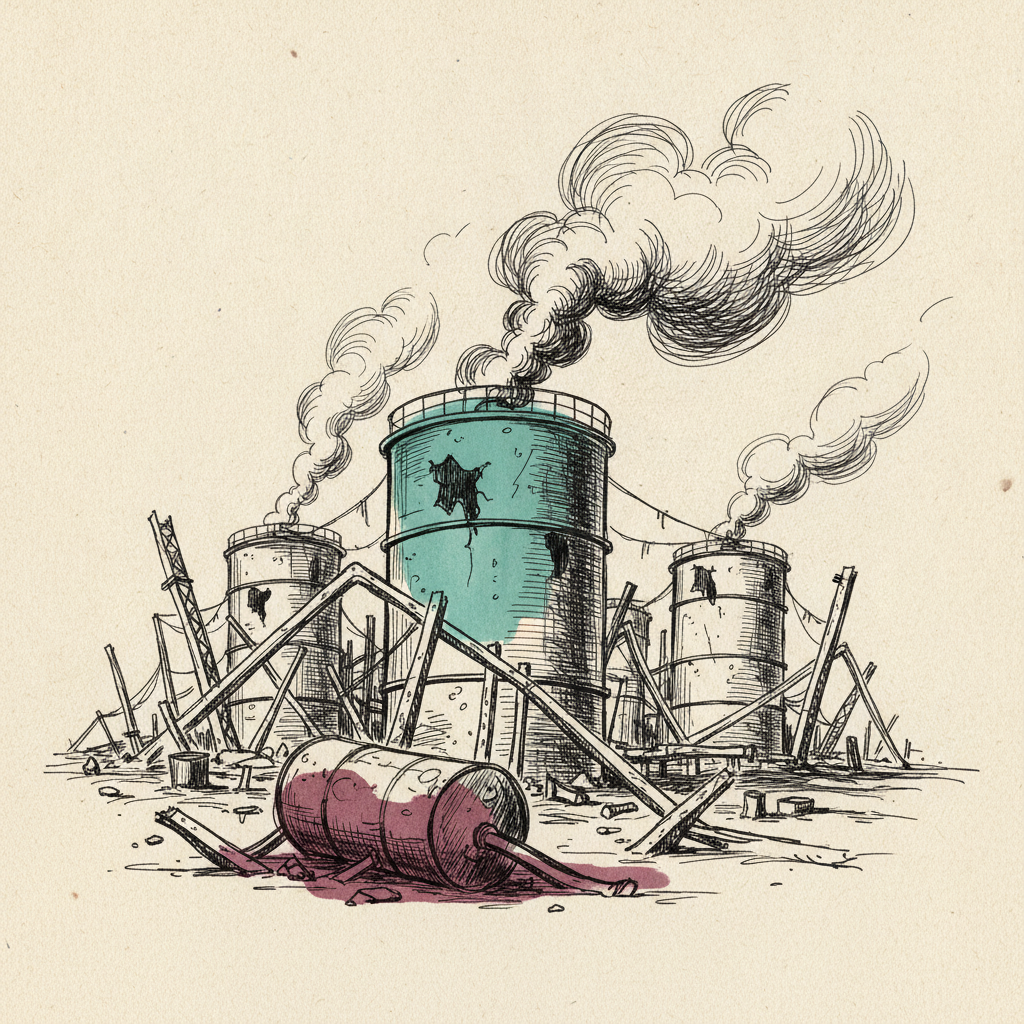
It was passed to reverse The House of Lords' 1964 judgment in Burmah Oil Co v Lord Advocate. That case concerned oil installations British forces destroyed in Burma in 1942 to keep them from the advancing Japanese, and the Lords held that the Crown owed compensation.
The Act remains the standard example of Parliament cancelling a right the courts had already recognised. It is cited whenever lawmakers consider undoing past transactions, including gifts to political parties.
Parliament once legislated backwards
Whenever clawing back past donations comes up, the 1965 Act is the example on the table. Parliament used it to wipe out a right to compensation that The House of Lords had upheld only a year before. The four caps tabled after the bill's Lords Second Reading on 14 September 2026 take the opposite course: as drafted, none touches money given before the new law begins.
What has changed since 1965 is the human rights frame around Parliament. A clawback of gifts already banked would engage the Convention's protection of property, and a criminal penalty for past giving would run into its bar on retrospective offences. The precedent shows the power exists; the Convention shows its price.