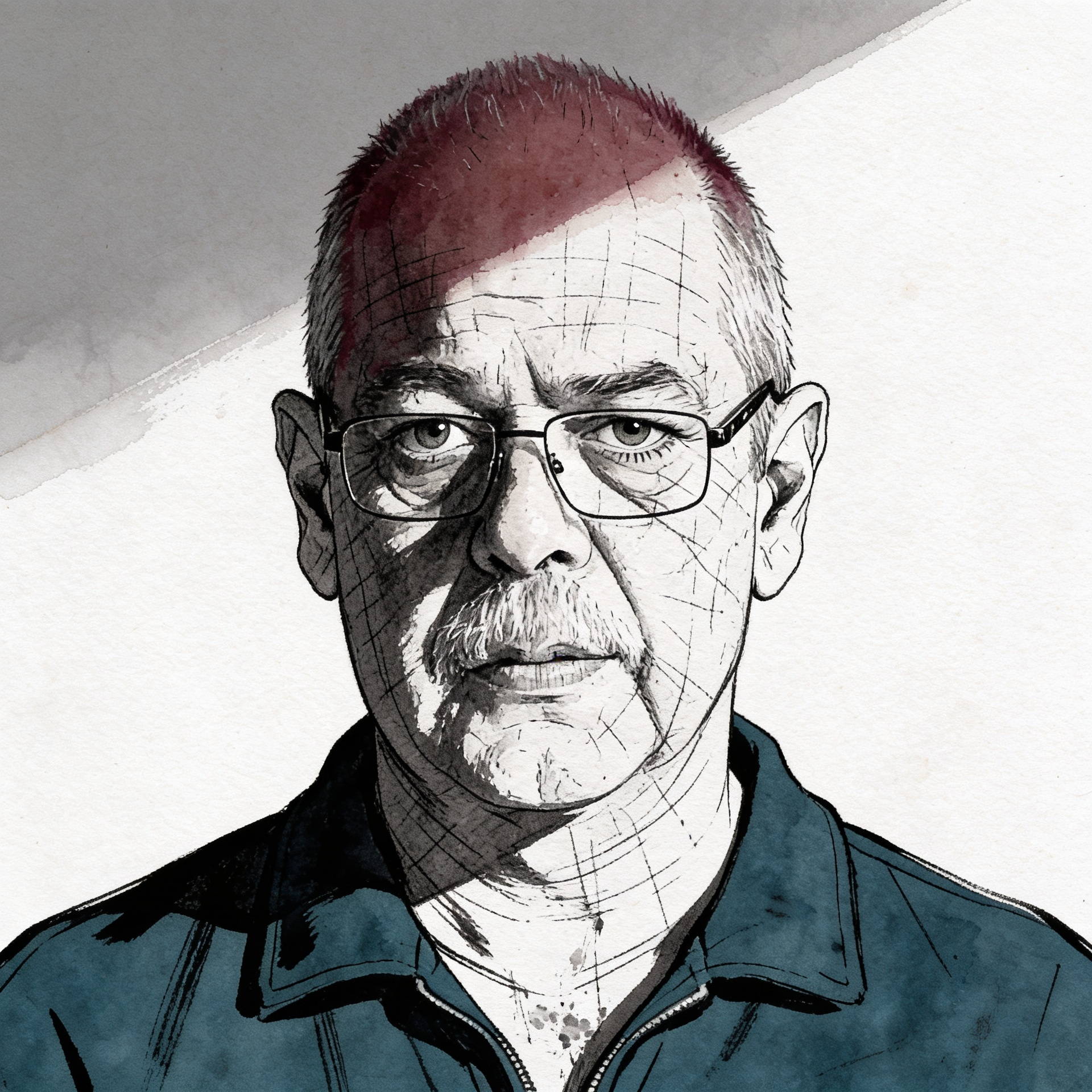
Vicente de la O Levy
Cuba's Energy Minister; personally sanctioned under EO 14404; ministry oversees CUPET, now also designated.
Cuba's National Grid collapsed twice more in The Week of 10-16 July, and Energy Minister Vicente de la O Levy's ministry forecast a 2,240 MW deficit against just 990 MW available for 16 July.
Last refreshed: 17 July 2026 · Appears in 1 active topic
What happens to Cuba's oil supply when both the Energy Minister and CUPET are sanctioned?
Timeline for Vicente de la O Levy
Mentioned in: Cuba blames blockade for 64% gas rise
Cuba DispatchPresided over grid system with deficit exceeding 2,000 MW on night of 11 June
Cuba Dispatch: US sanctions Cuba's national oil companyMentioned in: Havana gas cut leaves milk undelivered
Cuba DispatchSanctions reach Cuba's ministries and party
Cuba DispatchBackground
Vicente de la O Levy is Cuba's Minister of Energy and Mines, responsible for the island's electricity generation, petroleum sector and renewable-energy development. He oversees both UNE, the state grid operator, and CUPET, the state petroleum company, giving him direct ministerial control over the two systems whose failure has defined Cuba's 2026 crisis.
In a political system that normally keeps ministers out of the public eye, De la O Levy has become one of its most recognisable faces, delivering the government's periodic admissions about fuel shortages and blackout forecasts on state media such as Mesa Redonda. His April 2026 announcement that a refinery restart had cut the grid deficit from 1,732 MW to 1,395 MW became, briefly, the government's primary public measure of progress before the improvement reversed.
Washington treats him as directly accountable for the ministry's policy choices: his personal sanctions designation sits alongside, not instead of, sanctions on the institutions he runs.
The minister oversees a collapsing grid
De la O Levy has become the public face of Cuba's energy emergency, disclosing on 13 May that Venezuelan crude had been cut since November 2025, four months earlier than Havana had previously admitted, and putting domestic production at 40,000 barrels a day against demand of 90,000 to 110,000. Five days later he was personally designated under Executive Order 14404 alongside ten other officials and three institutions; on 11 June the sanctions reached CUPET itself, the state oil company his ministry controls, completing a chain from minister to company.
The grid he oversees kept failing into July. A transmission-line fault between Santa Clara and Sancti Spíritus collapsed the whole national system on 10 July, and a second collapse followed on 14 July when a thermal unit tripped; his ministry's 16 July bulletin forecast a 2,240 MW deficit against only 990 MW available.
How bad was Cuba's electricity deficit in mid-July 2026?
How bad is Cuba's electricity deficit in 2026?
When did Venezuela stop supplying oil to Cuba?
What did Cuba's energy minister say about the power grid in April 2026?
What is CUPET and why is it now sanctioned?
Why did Venezuela stop sending oil to Cuba?
Who is Cuba's Energy Minister and why has he been sanctioned?
Why was Cuba's Energy Minister sanctioned by the US?
Who is Vicente de la O Levy?
Who is Cuba's Energy Minister in 2026?
