United States Constitution
Supreme law of the United States, ratified in 1788.
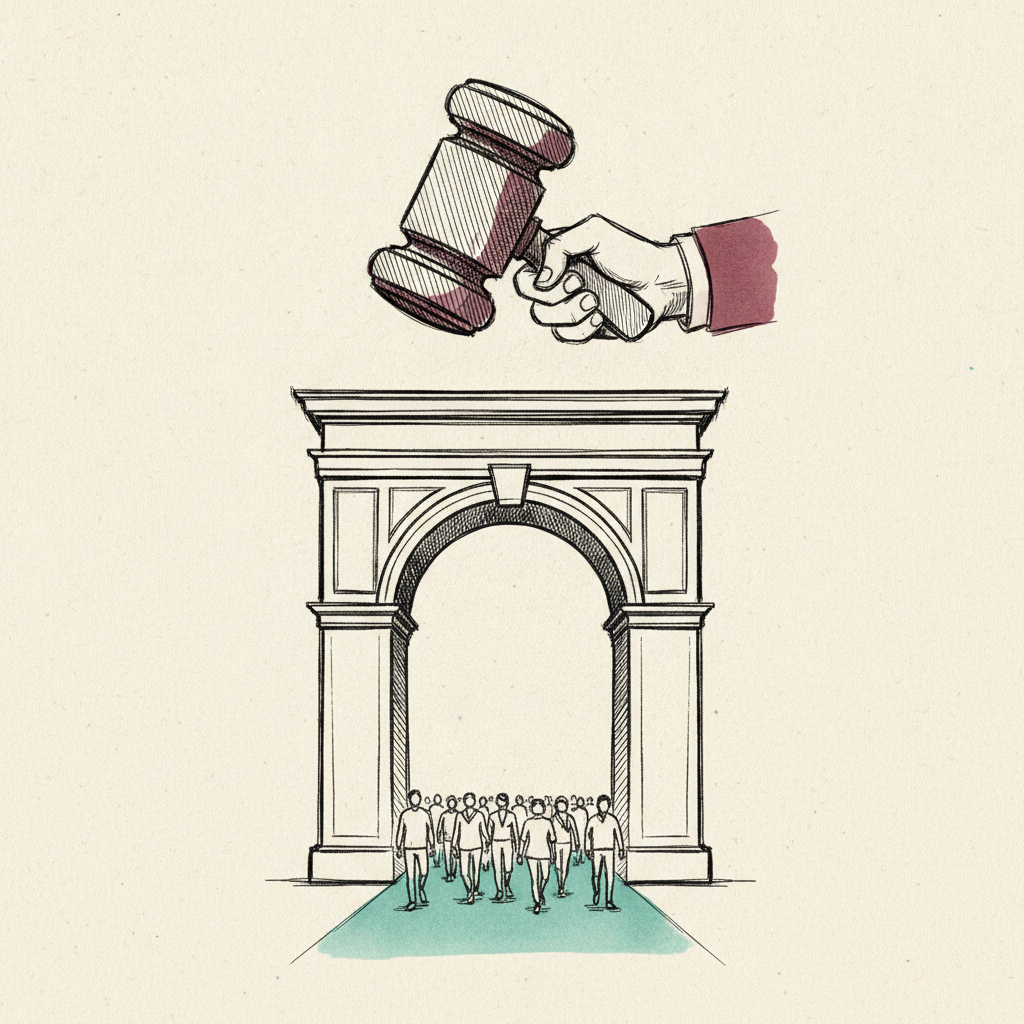
Signed on 17 September 1787 and binding from 21 June 1788, the Constitution leaves the times, places and manner of congressional elections to state legislatures, subject to laws Congress passes. That division of power runs through the 2026 midterm litigation.
Last refreshed: 1 October 2026
Timeline for United States Constitution
Mentioned in: Judge Ali voids FEMA election conditions
US Midterms 2026Mentioned in: Tillis crosses but Iran vote fails 49-50
Iran Conflict 2026Background
The Constitution's division of election power between the states and Washington sits under much of the 2026 litigation. One example came on 28 September 2026, when a federal judge struck down FEMA conditions that would have tied state counterterrorism grants to a federal citizenship-check database and hand audits of paper ballots. States may use the database, but Washington cannot make grant money depend on it.
Delegates signed the Constitution at the Philadelphia Convention on 17 September 1787. It became binding when New Hampshire, the ninth state, ratified it on 21 June 1788, and the government began under it on 4 March 1789. It has 27 amendments; the most recent, on congressional pay, was ratified on 7 May 1992.
For elections, Article I lets each state legislature set the times, places and manner of congressional elections, subject to laws Congress passes, and requires a census every ten years to apportion House seats. The Electoral College chooses the president, and the 23rd Amendment gives the District of Columbia three electors. Most federal election fights, over maps, rolls or ballots, come back to where those clauses draw the line.