TSAM
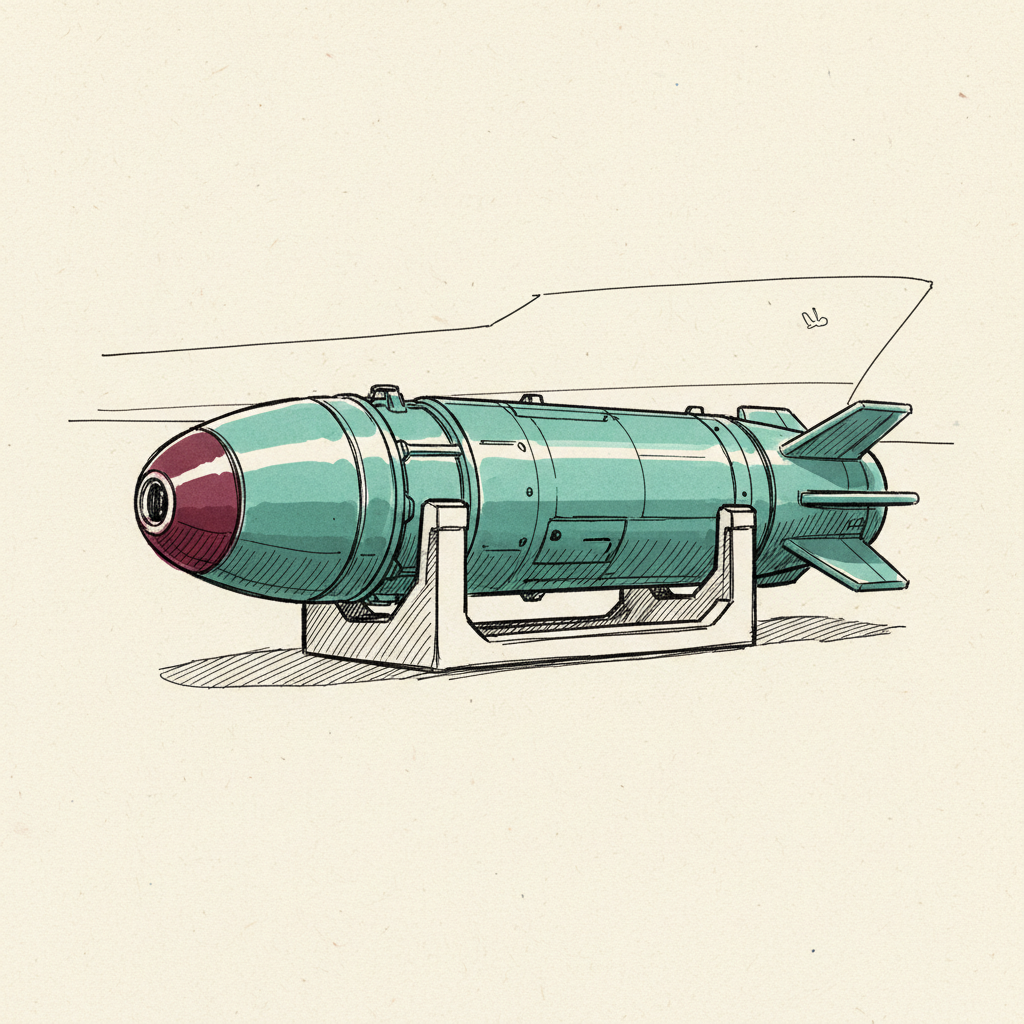
Thales's towed synthetic-aperture sonar, fitted to the Royal Navy's autonomous minehunter RNMB Ariadne.
TSAM, Thales's towed synthetic aperture sonar fitted to the Royal Navy's autonomous minehunter Ariadne, reached Omani waters by late June 2026 for what would be its first deployment in a contested environment, a test still awaiting an order to begin.
Last refreshed: 3 August 2026 · Appears in 1 active topic
Can TSAM sonar on Ariadne actually detect and classify mines in the shallow contested waters off Hormuz?
Timeline for TSAM
Mentioned in: Thales locks Exail in, closing in 2028
Autonomous Systems: Land & SeaMentioned in: Tethered drone flies from robot boat
Autonomous Systems: Land & SeaThales buys Exail for €3.9 billion
Autonomous Systems: Land & SeaMentioned in: Allied robot minehunters reach the Gulf
Autonomous Systems: Land & SeaRobot minehunter now sails for Hormuz
Autonomous Systems: Land & SeaBackground
TSAM, short for Towed Synthetic Aperture Multiviews, is a mine-hunting sonar developed by Thales and fitted to the Royal Navy's autonomous minehunter RNMB Ariadne. Synthetic aperture processing builds high-resolution acoustic images of the seabed, letting it identify and classify mines at ranges and resolutions conventional sonars cannot match.
Streamed behind Ariadne at low speed, TSAM works alongside a remotely operated neutraliser that destroys an identified device without a diver or operator approaching it. Together they form the contact-to-clearance sequence that defines autonomous mine countermeasures: the sonar finds the mine, the neutraliser destroys it, and no sailor stands over the threat.
TSAM is Thales's contribution to the Anglo-French Maritime Mine Countermeasures programme, in which the UK holds a share of around £184 million. It is the technology through which the Royal Navy intends to remove sailors from mine-clearance work entirely.
TSAM still awaits its first live contact
TSAM is the towed sonar fitted to RNMB Ariadne, which docked into her support ship Lyme Bay off Gibraltar on 27 May 2026 before heading toward the Strait of Hormuz. By 23 June the allied mine-clearance force, including Ariadne and France's Sirius, had reached The Gulf, escorted by HMS Dragon and two German vessels.
Omani authorisation for the southern Hormuz approach came through just before 7 July, but the mission paused that day before TSAM's synthetic-aperture sonar had logged a single contact in genuinely contested water. No confirmed restart has followed, leaving the system's first live test still pending as of early August.
TSAM nears its first live test
Has TSAM sonar been used in a live mine-clearance operation yet?
How does the Royal Navy clear mines without sending divers?
What is the MMCM programme and who is involved?
What does TSAM sonar do on the Royal Navy's robot minehunter?

