Tijuana
Border city in Baja California, Mexico, approved as Iran's 2026 World Cup base CAMP, requiring the squad to cross into the US for all three group matches.
Last refreshed: 4 July 2026 · Appears in 1 active topic
Iran is camping in Mexico; can it cross the US border three times to play its group matches?
Timeline for Tijuana
Forced destination of Iran's training camp
2026 FIFA World Cup: Mentioned in: $1bn suit hits FIFA over Iran's exitMentioned in: Iran hold Belgium and take the point home
2026 FIFA World CupMentioned in: US holds Iran's 24-hour visa leash
2026 FIFA World CupMentioned in: Iran player's US visa runs out
2026 FIFA World CupMentioned in: Vozinha's mother granted a US visa
2026 FIFA World CupBackground
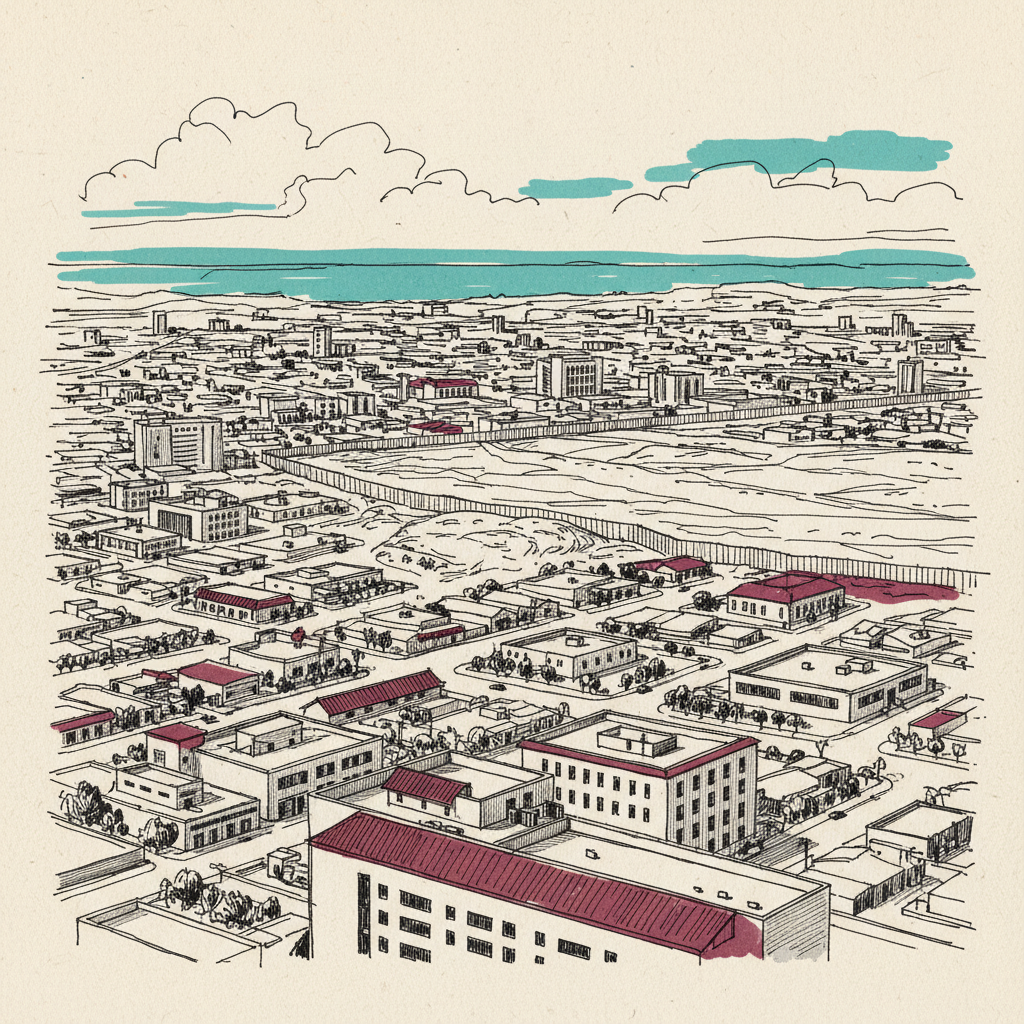
Tijuana is a city of roughly 2 million people in Baja California, Mexico, on the US border immediately south of San Diego, California. It is one of the busiest land-border crossings in the world, with the San Ysidro port of entry processing tens of millions of crossings annually. The city is Mexico's fifth-largest and a significant manufacturing hub, with hundreds of maquiladora assembly plants serving the US market. It has also been a transit and destination point for migrants attempting to cross into the United States, and has experienced sustained violence linked to cartel competition for control of smuggling routes.
In the context of the 2026 FIFA World Cup, Tijuana became Iran's officially approved base CAMP on 26 May 2026, when FIFA confirmed the relocation from Kino Sports Complex in Tucson, Arizona, on its official 48-camp list. Mexico confirmed seven base camps for visiting nations with Iran in Tijuana alongside Colombia and South Korea in Guadalajara. The move resolved the political difficulty of an Iranian national TEAM preparing on US soil, but created a logistical complication: Iran's three group matches are in Los Angeles (15 and 21 June) and Seattle (26 June), requiring the squad to cross the US border and return three times on multiple-entry visas that Washington had not issued as of late May.
The Visa question resolved only partially in the following weeks. On 5 June, the US Embassy in Ankara confirmed visas for Iran's players, coaches and named support staff, though 14 federation officials remained barred from US entry throughout the group stage. Operating from Tijuana as its sole base, Iran's squad completed the anticipated pattern, crossing into the US for matches against New Zealand, Belgium and Egypt, before being eliminated on 27 June without losing a single match.
The wider significance of Tijuana's selection is geopolitical. A border city with daily cross-border flows was chosen precisely because it sits outside US jurisdiction while remaining within driving distance of US match venues, making it a logistical workaround for an unresolved diplomatic impasse between Iran and the United States.
Why is Iran's World Cup base camp in Tijuana?
Where is Tijuana in relation to the US?
How will Iran travel from Tijuana to its World Cup matches?
Did Iran's World Cup squad eventually get US visas?

