Does Thornburg v. Gingles still have any force after the Callais ruling?
Timeline for Thornburg v. Gingles
Mentioned in: Tennessee signs map carving Memphis three ways
US Midterms 2026Callais guts VRA Section 2 mandate
US Midterms 2026Background
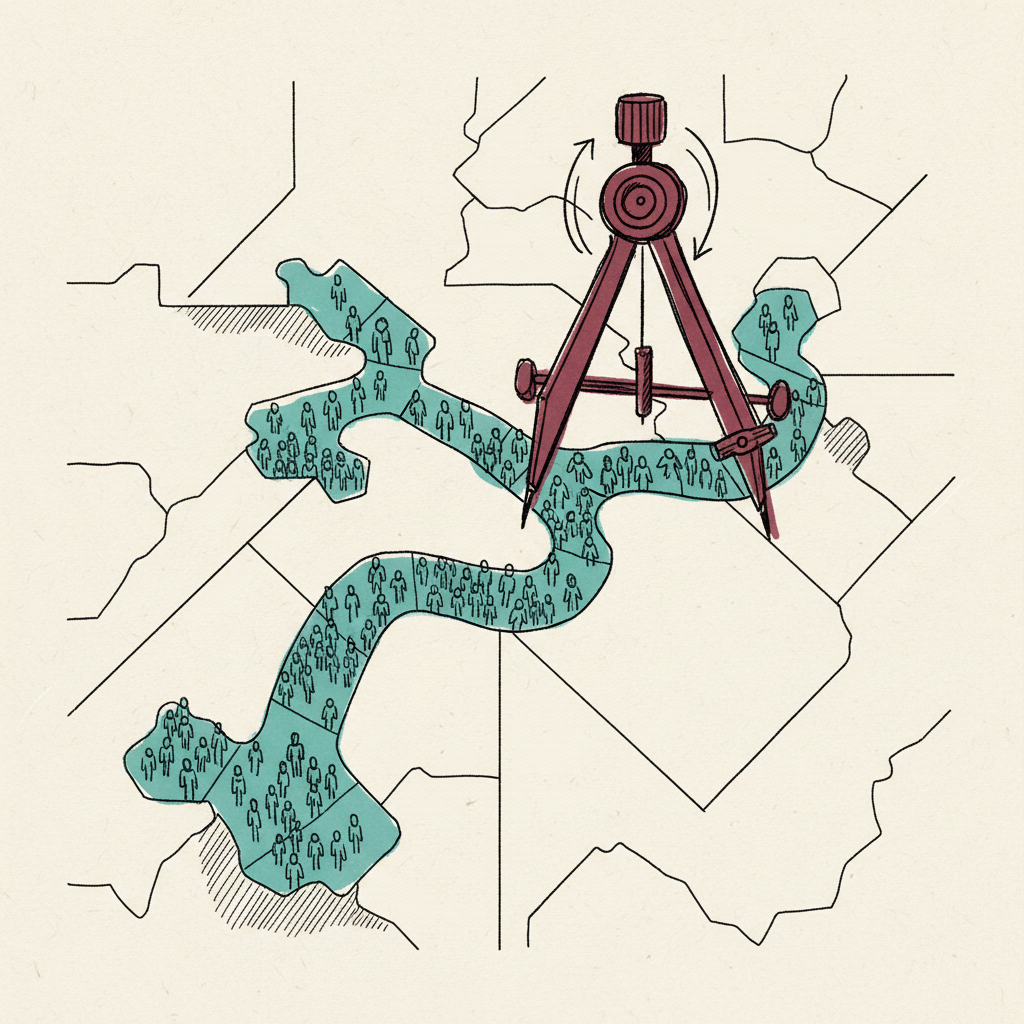
Thornburg v. Gingles, decided unanimously by the Supreme Court in 1986, established the legal test that governed majority-minority congressional redistricting for four decades. The ruling was effectively overturned on 29 April 2026 when the Court's 6-3 decision in Louisiana v. Callais held that Section 2 of the Voting Rights Act does not require states to draw majority-minority districts, eliminating the Gingles doctrine as a redistricting mandate.
The Gingles test, named after Black North Carolina voters who challenged a racially diluted legislative map, set three preconditions for a Section 2 violation: the minority group must be large enough to form a majority in a single district, it must be politically cohesive, and the white majority must vote sufficiently as a bloc to defeat minority-preferred candidates. A state satisfying all three conditions was legally obliged to draw a majority-minority district. That three-part test became the primary tool for post-redistricting litigation in the South and Southwest for nearly four decades.
With Callais abolishing the mandate, Gingles remains nominally on the books but has no practical enforcement mechanism for congressional redistricting. Civil rights organisations estimate that at least 14 existing majority-minority congressional seats drawn under Gingles precedent could be dismantled in post-Callais redistricting before the 2026 midterms.
What was Thornburg v. Gingles and why does it matter for 2026?
What was the Gingles three-part test for redistricting?
Did Callais completely overturn Thornburg v. Gingles?
Written with AI from Lowdown's published reporting. Not individually reviewed by an editor. Updated 7 May 2026. Editorial standards.