Timeline for South-East Asia
Mentioned in: Cambodia confirms sixth human H5N1 case
Pandemics and BiosecurityMentioned in: UN Tourism cuts 2026 arrivals forecast
Nomads & CommunitiesMentioned in: 207 salmonella cases point at eggs
Pandemics and BiosecurityMentioned in: Kerala Nipah quiet two weeks on
Pandemics and BiosecurityMentioned in: WHO finds one in six infections drug-resistant
Pandemics and BiosecurityBackground
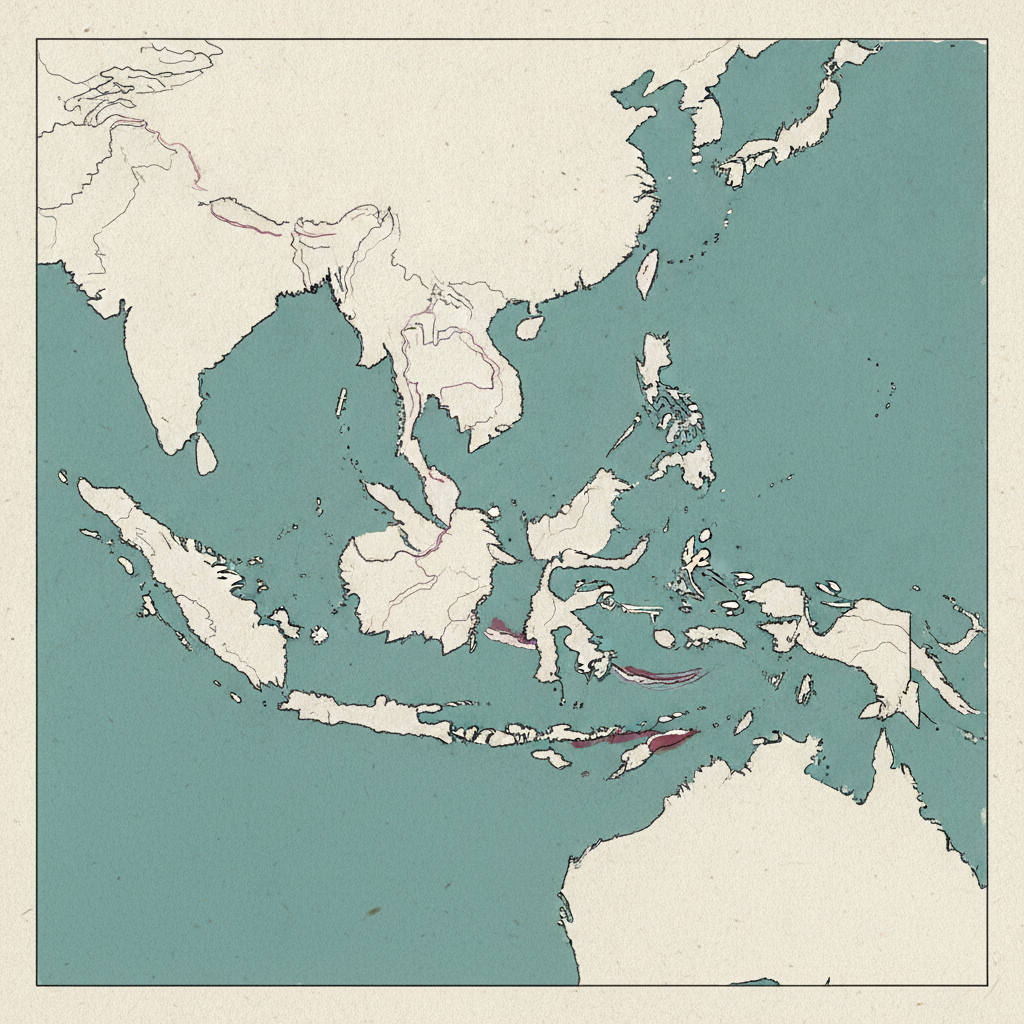
South-East Asia is the region of 11 countries south of China and east of India: Brunei, Cambodia, Indonesia, Laos, Malaysia, Myanmar, the Philippines, Singapore, Thailand, Timor-Leste and Vietnam. Timor-Leste joined ASEAN in 2025.
H5N1 bird flu has circulated in its backyard poultry for more than a decade, and close daily contact between families and their birds keeps producing human cases.
WHO's global antimicrobial resistance surveillance report, covering 104 countries, found one in six bacterial infections no longer responds to standard first-line antibiotics, and put South-East Asia already at one in three. Resistance rose in 40% of the pathogen-drug pairs WHO tracked between 2018 and 2023.
Human bird flu returned to backyard poultry
In 2024 US farm workers with mostly mild eye infections dominated the world's human H5N1 count. In 2026 the cases came from household poultry in South and South-East Asia. Cambodia recorded three separate human cases early in the year, all through traditional poultry contact rather than dairy cattle, a thread that has run in the region for more than a decade.
On 27 September 2026 Cambodia confirmed its sixth case of the year, a poultry farmer in his forties in Oddar Meanchey, on the Thai border. Hong Kong's Centre for Health Protection counted 11 human cases worldwide to 1 October, so Cambodia alone accounted for more than half. The 2026 global total sits far below 2024's 81 cases.