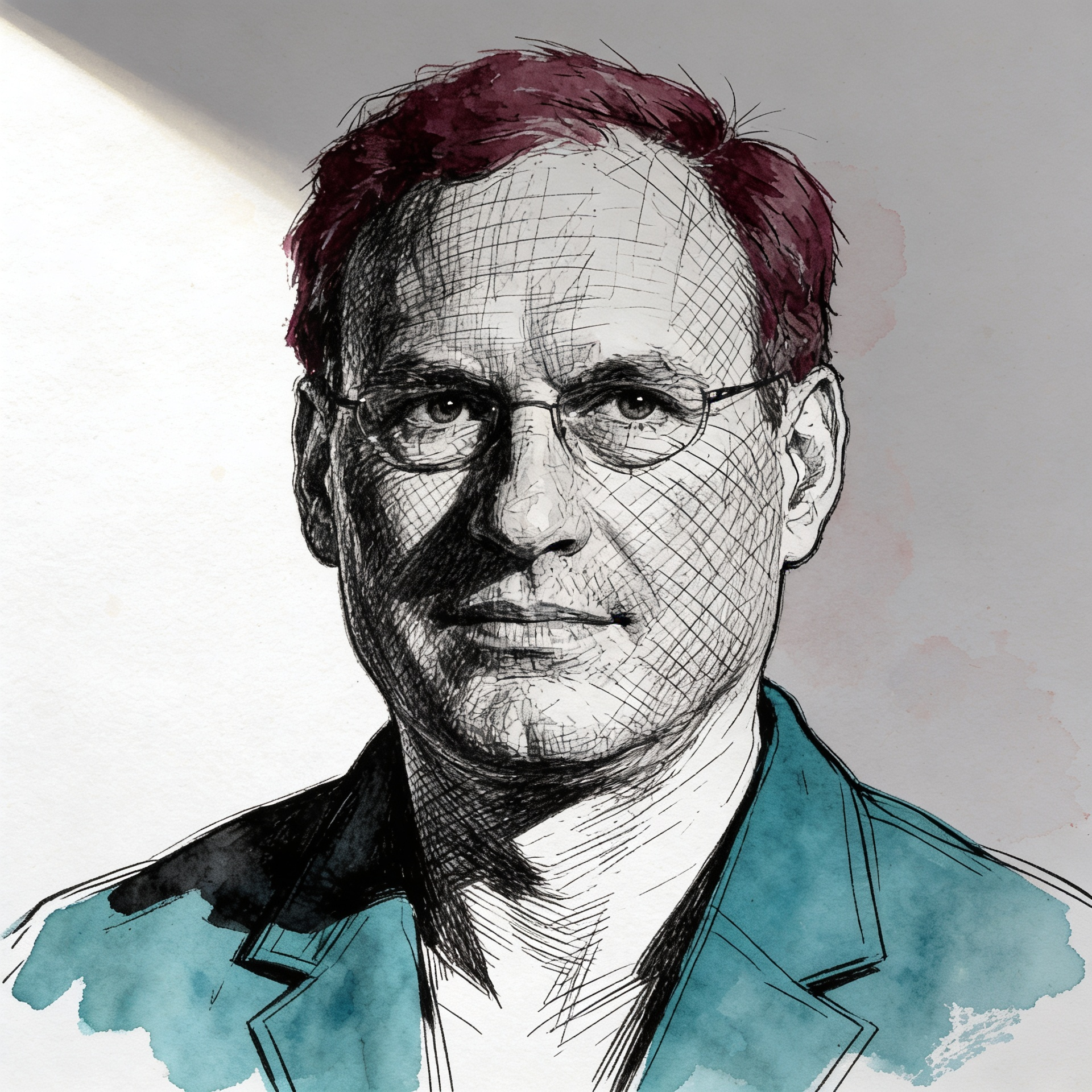
Samuel Alito
Supreme Court Associate Justice; authored Callais gutting VRA districting, dissented alone in Watson v. RNC.
Last refreshed: 1 October 2026 · Appears in 1 active topic
Why did Alito free states in Callais but want a federal ceiling in Watson?
Timeline for Samuel Alito
Court keeps late mail ballots counting
US Midterms 2026Authored 6-3 majority opinion on 29 April 2026
US Midterms 2026: SCOTUS orders Callais into immediate effectAuthored 6-3 majority opinion striking VRA majority-minority district mandate
US Midterms 2026: Callais guts VRA Section 2 mandateBackground
Samuel Alito is an Associate Justice of the US Supreme Court, appointed by President George W. Bush in 2006 and among its most reliably Conservative members. He authored the 2022 majority opinion in Dobbs v. Jackson Women's Health Organization that overturned Roe v. Wade and eliminated the federal right to abortion, and has consistently favoured narrower federal constraints on state and legislative power.
In this cycle Alito authored the 6-3 majority opinion in Louisiana v. Callais on 29 April 2026, striking down the Voting Rights Act's Section 2 requirement that states draw majority-minority congressional districts and overturning the 1986 Thornburg v. Gingles doctrine. the Court then ordered immediate effect on 4 May, bypassing the standard 32-day remand wait and forcing Louisiana to redraw at once. The CFR assessed that Democrats may now need to flip roughly 25 seats to retake The House, compared with 3-5 before the ruling.
Two months later Alito dissented alone in Watson v. RNC on 29 June 2026, arguing the federal election-day statute forecloses any counting of mail ballots received after polls close; the 5-4 majority, written by Amy Coney Barrett and joined by Chief Justice Roberts crossing the Court's usual line, upheld Mississippi's five-day grace period instead. The two rulings, one freeing states from a federal floor and one that would have imposed a federal ceiling, show his election-law votes tracking a consistent theory of statutory text rather than a simple states'-rights instinct.