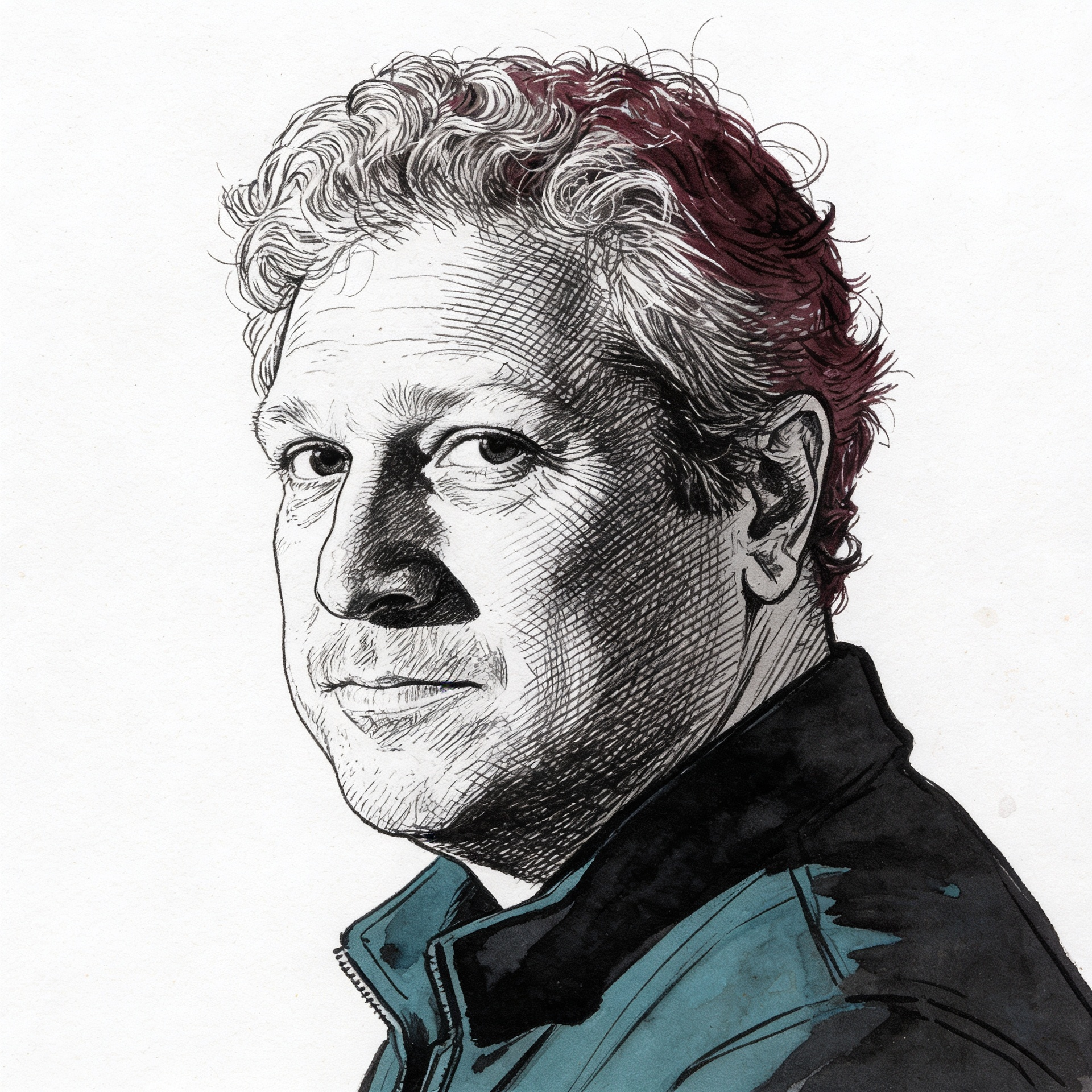
Robert Kagan
Brookings Institution senior fellow and foreign-policy author; a leading liberal-hawkish voice on US Iran strategy.
Last refreshed: 9 May 2026 · Appears in 1 active topic
What does Robert Kagan think the US should do if Iran rejects the MOU?
Timeline for Robert Kagan
Mentioned in: White House signs no Iran instrument on day 71
Iran Conflict 2026Background
Robert Kagan is a senior fellow at the Brookings Institution and one of America's most prominent foreign-policy commentators. A co-founder of the neoconservative Project for the New American Century in 1997, he has since evolved into a prominent voice for muscular liberal internationalism, arguing consistently for US global leadership, strong alliances, and military deterrence. His books include The World America Made (2012) and The Jungle Grows Back (2018).
In the May 2026 Iran conflict, Kagan was cited in analyses of the Trump administration's MoU negotiating strategy, with his framework of US power and credibility invoked to assess whether the diplomatic approach signalled strength or accommodation. Kagan has been a consistent critic of both Republican isolationism and what he sees as insufficient US willingness to use military force to deter adversaries including Iran.
Notably, Kagan publicly broke with the Republican Party over Trump's first term and wrote extensively about the risks of democratic backsliding, giving his foreign-policy analysis a distinct cross-partisan credibility that makes his Iran commentary widely cited in both liberal and centrist policy circles.
What does Robert Kagan say about the Iran nuclear deal?
Is Robert Kagan a Democrat or Republican?
What is the Brookings Institution?
