Representation of the People Bill
UK 2026 bill reviving crypto donation ban, overseas CAP; passed Report stage 14 July.
On 2 September, the Representation of the People Bill passed the Commons by 411 votes to 102 and moved to the Lords, carrying its retrospective Cryptocurrency-donation ban.
Last refreshed: 7 October 2026 · Appears in 1 active topic
Why was the bill declared dead in May revived and hardened in July?
Timeline for Representation of the People Bill
Passed Lords Second Reading with 73 amendments tabled
UK Local Elections 2026: Peers table four caps on party donorsPassed the Commons and moved to the Lords
UK Local Elections 2026: Rayner's finance Bill goes to the LordsGained Government clauses and lost three rival clauses
UK Local Elections 2026: Commons refuses a cap on donationsMentioned in: Byrne pushes for a permanent crypto ban
UK Local Elections 2026Crypto donation ban backdated to March
UK Local Elections 2026Background
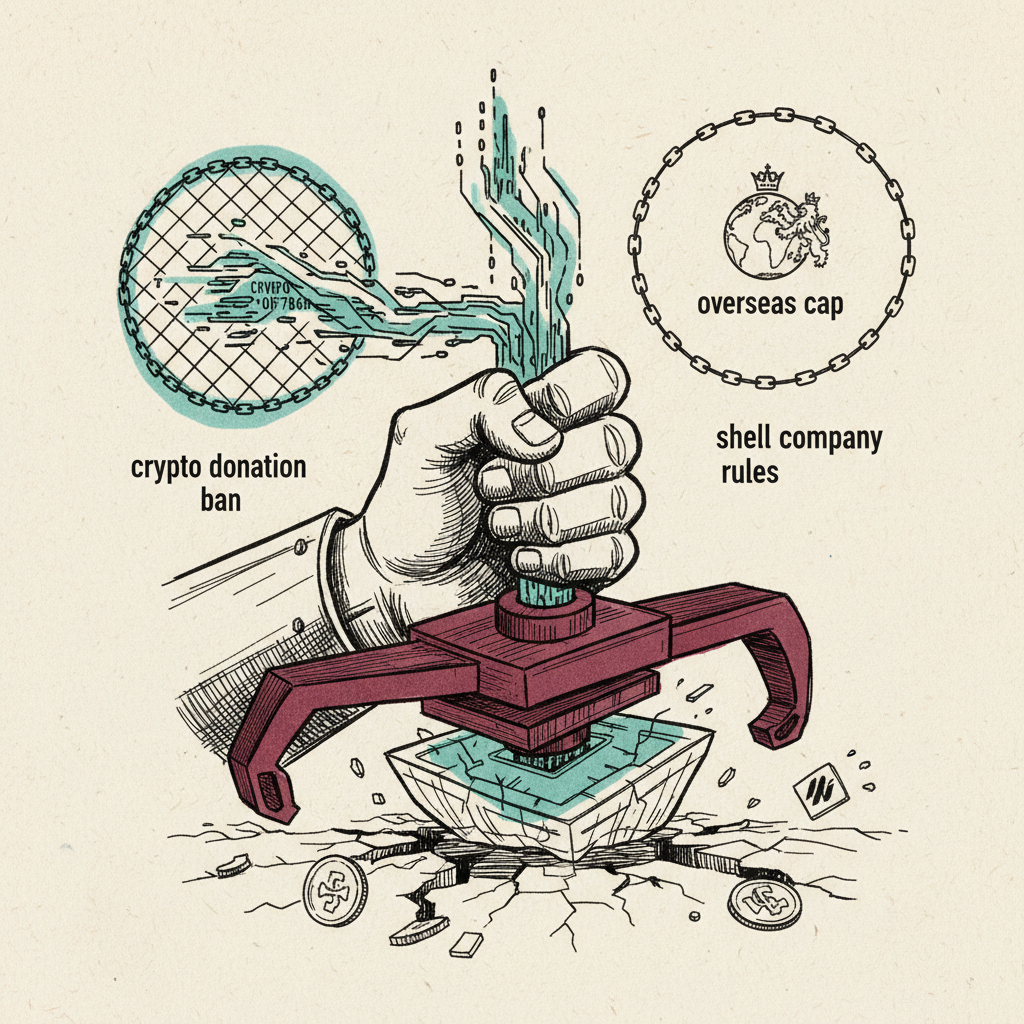
The Representation of the People Bill is UK legislation on electoral and political-finance rules. It bans Cryptocurrency donations to political parties, caps donations from overseas electors at £100,000 a year and tightens the rules on company gifts.
The bill missed the wash-up before Parliament was prorogued on 29 April 2026 and was left out of the 13 May King's Speech. On 6 July the government accepted the Rycroft Review in full and revived it.
Its crypto ban reaches back in time. A government amendment tabled on 14 July makes any Cryptocurrency donation to a party impermissible from 25 March 2026, which the Electoral Commission confirmed applies retrospectively; UK electoral law had not previously applied a donation ban to receipts already made. Spotlight on Corruption has named three routes the ban leaves open: converting crypto to sterling before giving, giving to individual MPs rather than parties, and political memecoins.
The bill reaches the Lords
On 2 September, the Representation of the People Bill cleared the Commons by 411 votes to 102, with Angela Rayner moving Third Reading. The Conservatives opposed it and the Liberal Democrats backed it. Earlier that day MPs rejected three opposition clauses, and Stella Creasy withdrew her £500,000 CAP on single gifts in exchange for a promised taskforce, so the bill left the Commons with no limit on the size of a donation.
Peers gave the bill its Second Reading on 14 September. By 5 October, 73 amendments awaited a committee stage with no date set. Four would CAP donations, ranging from Lord Cromwell's £100,000 every five years to Lord Carlile's £5m a year; as drafted, none would reach gifts made before the new law starts.