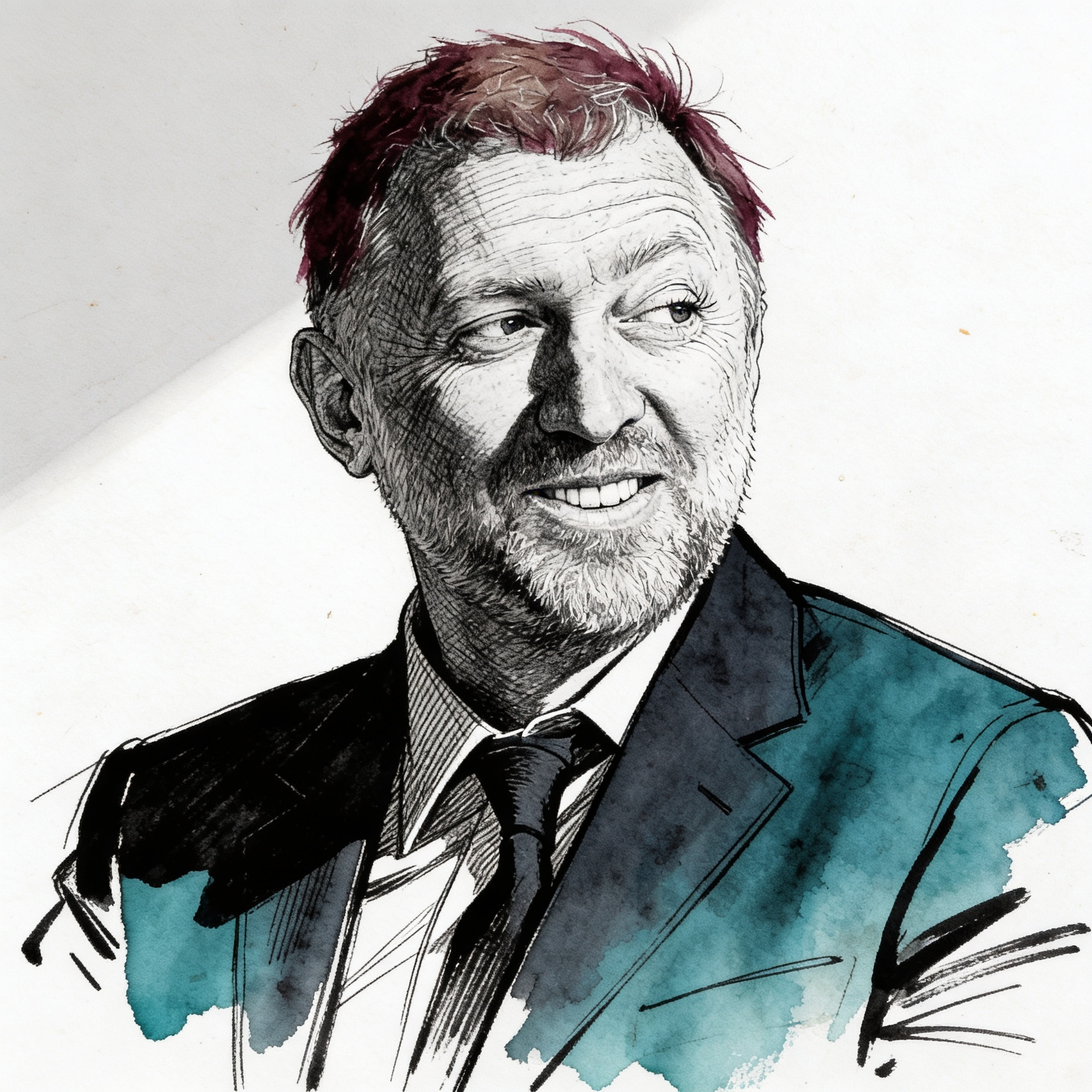
Oleg Deripaska
Former Rusal controlling shareholder; OFAC-designated 2018; forced out in sanctions settlement.
Deripaska's forced exit from Rusal under a 2018 OFAC designation remains the working precedent for how Washington expects its 2026 Hengli Petrochemical enforcement, resting on the same 50% ownership rule, to play out.
Last refreshed: 31 July 2026 · Appears in 2 active topics
How did removing one shareholder unsanction an entire aluminium company?
Timeline for Oleg Deripaska
Mentioned in: FAQ 1224 sets Lukoil sale conditions
European Oil MarketsSanctioned magnate linked to Rasperia
Russia-Ukraine War 2026: EU's 21st sanctions package stalls againOFAC licence on Hengli expires 24 May
Iran Conflict 2026Mentioned in: Hengli moves Singapore arm before GL V cliff
Iran Conflict 2026Background
Deripaska is a Russian businessman WHO built his Fortune as controlling shareholder of Rusal, Russia's largest aluminium producer, through the holding company En+ Group. OFAC's April 2018 designation of Rusal under Executive Order 13662 and CAATSA Section 231(d) forced his removal below the 50% ownership threshold as part of a settlement; sanctions on Rusal were lifted in January 2019 after the restructuring. Deripaska remains on the OFAC Specially Designated Nationals list and has separately challenged the CAATSA mechanism in US federal courts.
Rasperia, an investment firm linked to Deripaska, has separately become central to a 2026 EU sanctions dispute: the bloc's 21st sanctions package failed to clear COREPER on 15 July, with a fresh target date of 22 July, after Austria pressed for Rasperia to be delisted so its frozen assets could compensate Raiffeisen Bank International, one of two remaining holdouts alongside Greece's objection over Russian LNG re-export rights. Because EU sanctions packages require unanimity, that single dispute can hold up a 27-country text regardless of the other members' agreement.
His ownership threshold sets the template
CAATSA's 50% ownership rule was first tested against Deripaska personally: OFAC's April 2018 designation of Rusal under Executive Order 13662 and CAATSA Section 231(d) forced him below the 50% threshold as a condition of lifting sanctions on the company, a settlement completed in January 2019. The mechanism treats any entity majority-owned by a designated individual as itself designated, regardless of the entity's own conduct.
That precedent underlies OFAC's 2026 approach to Hengli Petrochemical, though the parallel is imperfect: Hengli's exposure runs through a sanctioned supplier, the IRGC's Sepehr Energy, rather than through an individually designated majority shareholder as in Deripaska's case. Deripaska himself remains on the SDN list and has continued to challenge the CAATSA mechanism in US federal courts rather than accept it as settled law.
Why did Oleg Deripaska have to leave Rusal because of US sanctions?
Is Oleg Deripaska still sanctioned by the US?
Why is Oleg Deripaska used as a sanctions precedent in the Iran oil case?
Why is Rasperia blocking EU sanctions on Russia?

