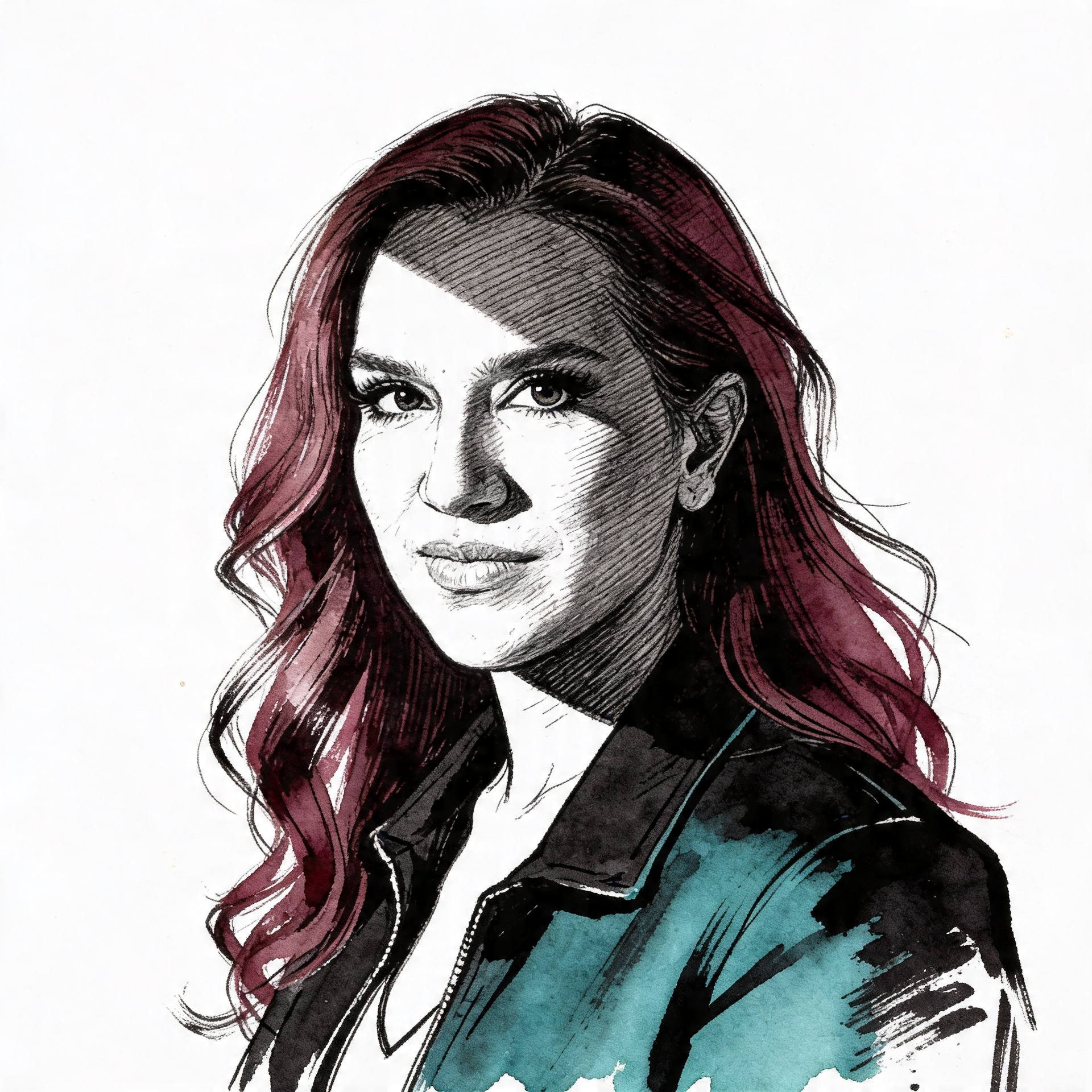
Nada Hamadeh Moawad
Lebanese Ambassador to the United States; attended State Dept Israel-Lebanon talks on 14 April 2026.
Last refreshed: 15 April 2026 · Appears in 1 active topic
Did Lebanon's participation in the April 2026 Israel talks signal a genuine break from Hezbollah influence?
Timeline for Nada Hamadeh Moawad
Mentioned in: IDF triple-tap kills paramedics in Mayfadoun
Iran Conflict 2026Participated in trilateral meeting at the State Department
Iran Conflict 2026: Rubio hosts first Israel-Lebanon talks since 1993Background
Nada Hamadeh Moawad is Lebanon's Ambassador to the United States and was a central participant in the 14 April 2026 trilateral meeting at the State Department hosted by Secretary of State Marco Rubio. The US State Department described that meeting as "the first major high-level engagement between the governments of Israel and Lebanon since 1993." Moawad attended alongside Israeli Ambassador Yechiel Leiter and US State Counsellor Michael Needham. The talks proceeded despite Hezbollah's public demand two days earlier that they be cancelled, a sign that the Lebanese government was willing to engage diplomatically over Hezbollah's objections.
Moawad represents a Lebanese government that has, since the 2024 Ceasefire with Israel, been navigating the politically treacherous ground between rebuilding state authority and managing Hezbollah's continued presence in Lebanese politics. The Lebanese state's decision to send its ambassador to direct talks with Israel — the first such engagement in over three decades — carries significant symbolic weight, occurring in the context of the broader Iran conflict and US pressure to isolate Hezbollah's patron.
The State Department readout framed the meeting around Lebanon's plans to "restore the monopoly of force" — language aligned with the POST-ceasefire agreement conditions that called for Lebanese Armed Forces to take control of southern Lebanon. For Moawad, representing a state that must balance these demands against domestic political realities, the April 2026 talks represent both an opportunity and a high-risk gambit in a region where diplomatic overtures have historically moved faster than their political foundations.
Who is Nada Hamadeh Moawad?
Did Lebanon agree to direct talks with Israel in April 2026?
What did Lebanon discuss at the April 2026 State Department meeting?



