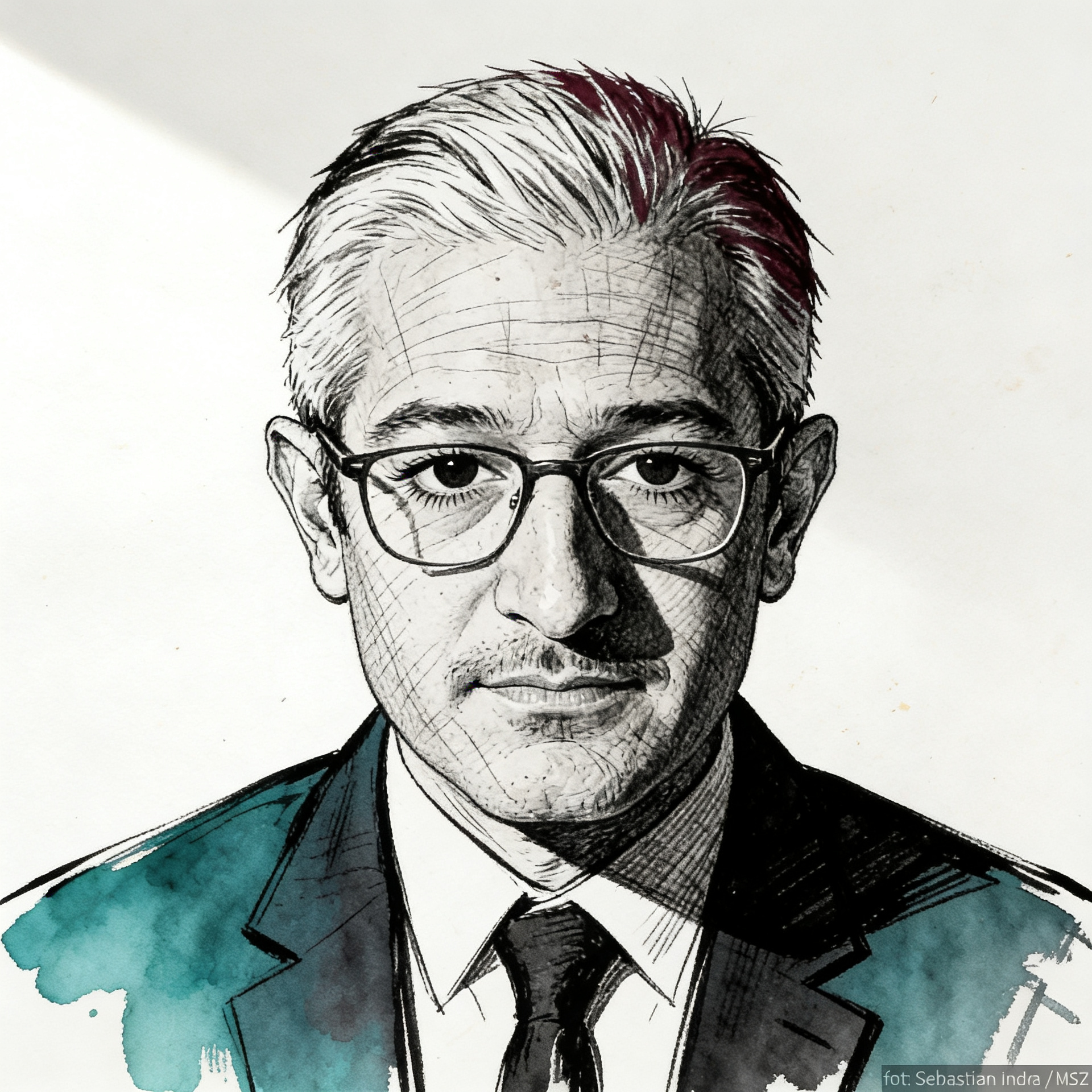
Mohamed Abushahab
UAE Ambassador to the UN; invoked Article 51 self-defence at the UNSC Barakah emergency session, 19 May 2026.
Last refreshed: 28 July 2026 · Appears in 1 active topic
What does the UAE's Article 51 invocation at the UNSC mean for the Iran conflict?
Timeline for Mohamed Abushahab
Declared nuclear-plant strikes a red line and reserved UAE self-defence rights
Iran Conflict 2026: UNSC at Barakah: red line invokedBackground
Mohamed Abushahab is the UAE's Permanent Representative to the United Nations. On 19 May 2026 he addressed the UN Security Council emergency session convened in response to the 17 May drone strike on the Barakah Nuclear Power Plant perimeter, declaring nuclear-plant attacks 'a red line for the UAE' and reserving the country's 'full and inherent right to protect our territory and population' under Article 51 of the UN Charter. It was the most explicit self-defence invocation by any Gulf state at the UNSC since the conflict began.
Abushahab was appointed UAE Ambassador to the UN and has represented the country at the Security Council, where the UAE held a non-permanent seat in prior years. He is a career diplomat with the UAE Ministry of Foreign Affairs. His Article 51 language is legally and diplomatically significant: Article 51 preserves the inherent right of self-defence, and its formal invocation at the UNSC creates a record that could underpin future unilateral UAE military action without requiring prior Council authorisation.
The Barakah session produced unusual consensus: Russia and China both joined condemnation of the nuclear-plant attack, the first formal Russia-China alignment on nuclear-safety language in the conflict. Abushahab's framing shaped that consensus by centring the session on nuclear safety as a red line rather than on broader attribution of the strike.
What did the UAE say at the UN Security Council about Barakah?
What is Article 51 of the UN Charter and why does the UAE invoking it matter?
Did Russia and China condemn the Barakah nuclear plant strike?
Who is Mohamed Abushahab?


Written with AI from Lowdown's published reporting. Not individually reviewed by an editor. Updated 28 July 2026. Editorial standards.