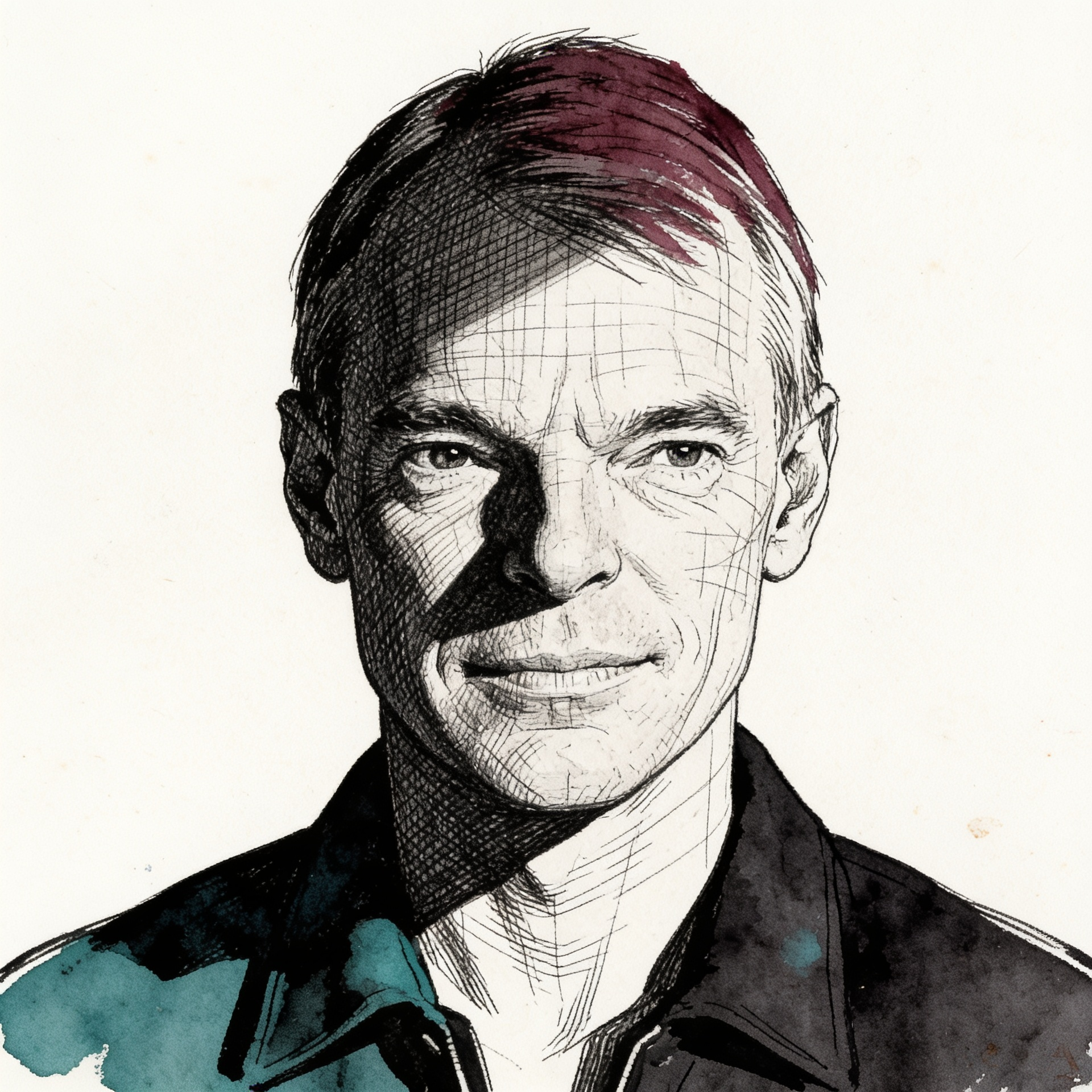
Michael Spence
Economist and Nobel laureate.
Michael Spence, who won the 2001 Nobel Memorial Prize in Economic Sciences for work on information asymmetry, signed Stanford's 200-strong 'We Must Act Now' statement on AI and jobs published 13 July.
Last refreshed: 17 July 2026 · Appears in 1 active topic
Timeline for Michael Spence
16 Nobel laureates sign Stanford's alarm
AI: Jobs, Power & MoneyBackground
Michael Spence is a Nobel laureate economist who won the 2001 Nobel Memorial Prize in Economic Sciences jointly with George Akerlof and Joseph Stiglitz for analyses of markets with asymmetric information, building on the job-market signalling model he developed in his Harvard doctoral dissertation under Kenneth Arrow and Thomas Schelling.
He studied philosophy at Princeton, mathematics at Oxford as a Rhodes Scholar, and economics at Harvard, later serving as dean of Stanford's Graduate School of Business from 1990 to 1999 before joining New York University's Stern School of Business, where he holds the William R. Berkley professorship.
His academic reputation for modelling information gaps gives weight to public statements he lends his name to on economic uncertainty, including arguments that AI's effect on labour markets is outrunning economists' capacity to measure it.
Who is Michael Spence?
What did Michael Spence win the Nobel Prize for?
When did Michael Spence sign the Stanford AI statement?

