Maritime Innovation Hub
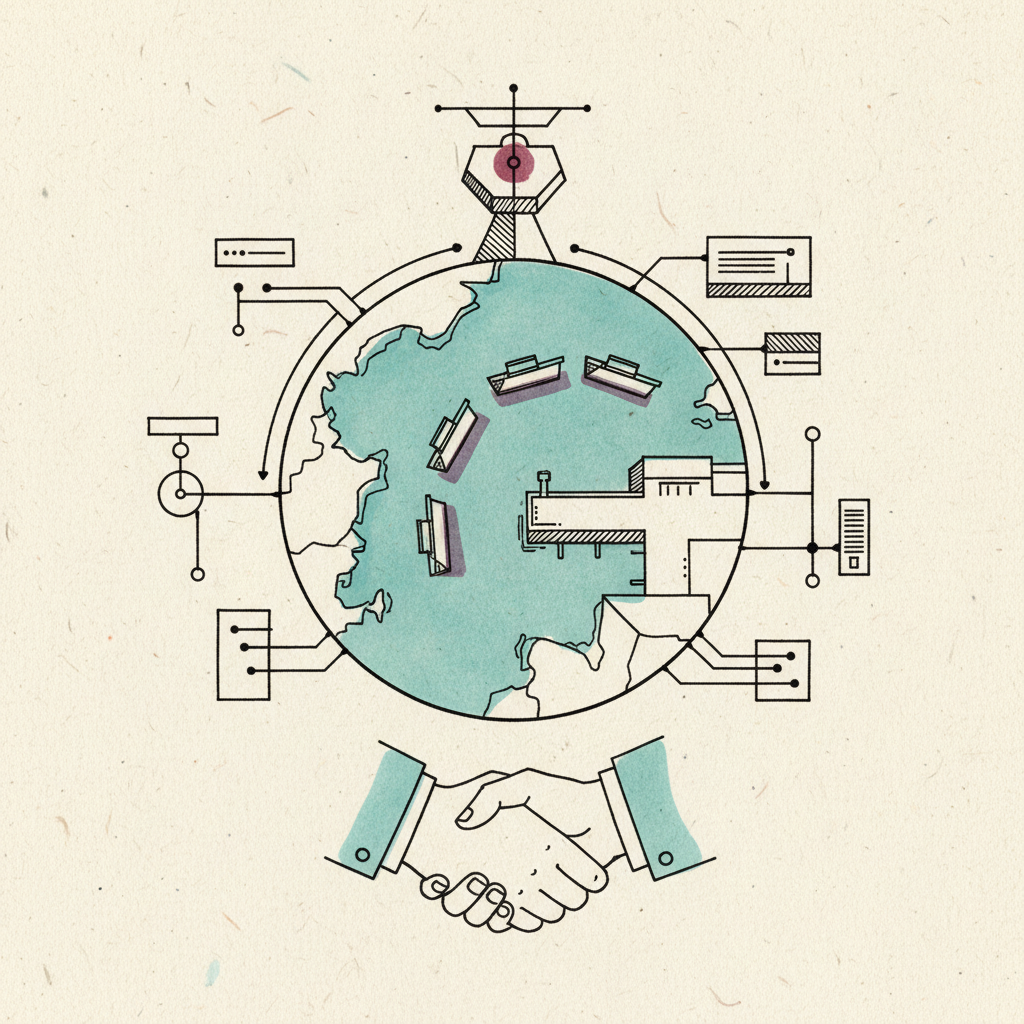
The Maritime Innovation Hub is the UK MCA's formal regulatory pathway, published 3 June 2026, for Maritime Autonomous Surface Ship trials across four vessel-size categories, with Plymouth Harbour as the designated trial zone.
The Maritime Innovation Hub, the UK's formal trial pathway for crewless ships, dropped the word 'sandbox' from its guidance on 5 June 2026, two days after publication, becoming a permanent regulatory route rather than a temporary test.
Last refreshed: 12 August 2026 · Appears in 1 active topic
Does the MCA Hub give UK firms an edge before the IMO code becomes mandatory in 2032?
Timeline for Maritime Innovation Hub
Mentioned in: Navy asks how to certify a robot ship
Autonomous Systems: Land & SeaMentioned in: Seawork opens its first autonomy hall
Autonomous Systems: Land & SeaLloyd's Register sizes UK autonomy at £8.3bn
Autonomous Systems: Land & SeaEstablished as a permanent formal regulatory route for MASS trials across four vessel-size categories
Autonomous Systems: Land & Sea: MCA drops the word sandbox from trialsBackground
The Maritime Innovation Hub is the UK Maritime and Coastguard Agency's regulatory pathway for trials of Maritime Autonomous Surface Ships, covering vessel categories from craft under 2.5 metres to those over 24 metres. The MCA named Plymouth Harbour as the first trial zone on 4 June 2026.
The Hub sits alongside an official economic baseline, published by Lloyd's Register, the National Physical Laboratory and the National Shipbuilding Office on 4 June 2026, projecting the UK maritime-autonomy sector could grow from a current £600 million turnover to £8.3 billion by 2050. Together the two publications mark the point at which UK maritime autonomy shifted from experimental programme to a named, permanent part of national regulatory and industrial policy.
The Hub drops its temporary sandbox label
Published on 3 June 2026, the Maritime Innovation Hub gave the UK its first formal regulatory pathway for Maritime Autonomous Surface Ship trials, covering four vessel-size categories and naming Plymouth Harbour as the first trial zone the next day.
Two days later the Maritime and Coastguard Agency removed the word 'sandbox' from the guidance, reclassifying the Hub as a permanent route rather than a temporary test environment. Arriving 12 days after the IMO adopted its MASS Code, the Hub gave UK operators a working domestic route years before that international framework becomes mandatory in 2032.
What is the UK Maritime Innovation Hub for autonomous ships?
Why did the MCA drop the word sandbox from its autonomous-ship trials?
How does the UK Maritime Innovation Hub relate to the IMO MASS Code?
Where is the UK's first autonomous ship trial zone?


Written with AI from Lowdown's published reporting. Not individually reviewed by an editor. Updated 12 August 2026. Editorial standards.