Timeline for Lagos
Mentioned in: Nigeria confirms an Ebola case in Abuja
Pandemics and BiosecurityMentioned in: Airtel Money starts trading in London at £5.3bn
UK Startups and InnovationMentioned in: Ebola reaches Sud-Ubangi by river boat
Pandemics and BiosecurityBackground
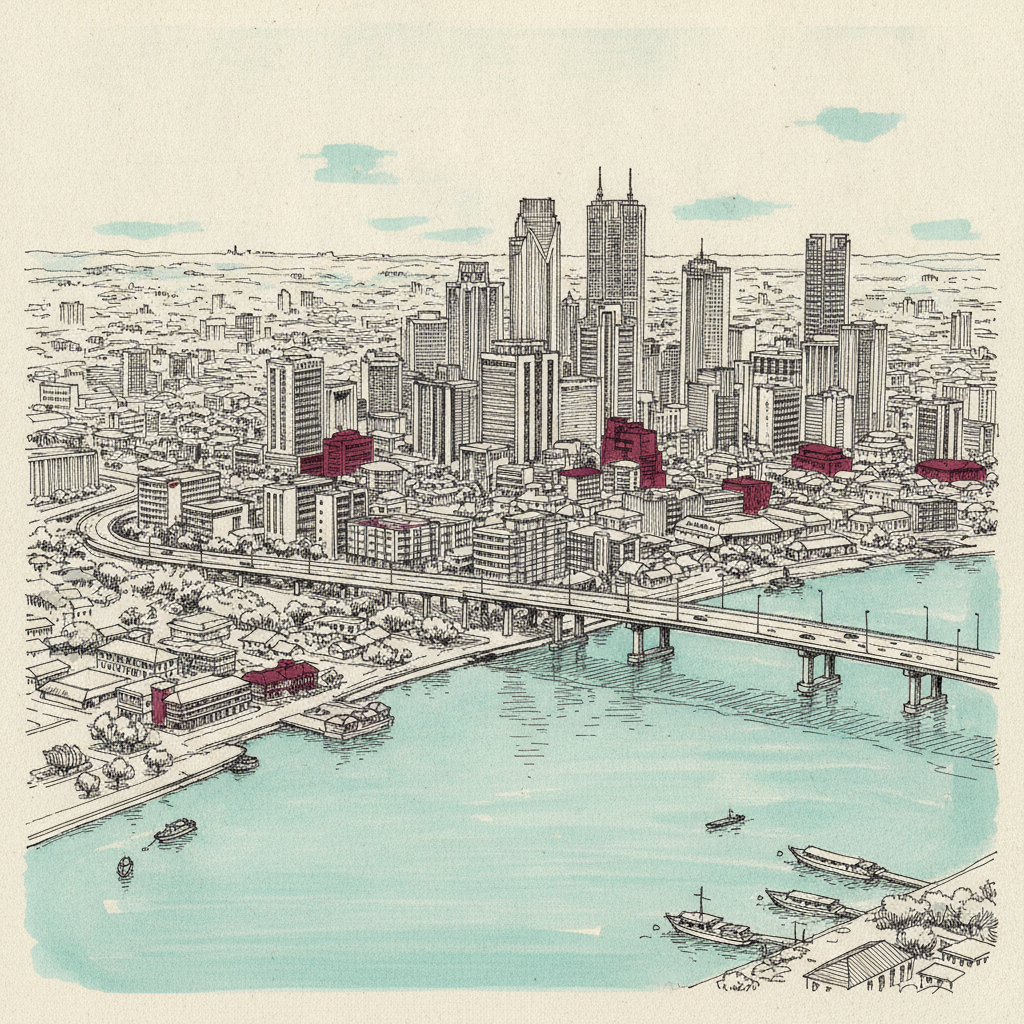
Lagos is Nigeria's largest city and its main commercial centre. It lies on The Atlantic coast in the country's south-west and includes islands, lagoons and a large mainland urban area. Lagos served as Nigeria's federal capital until Abuja replaced it in 1991.
The city remains a centre for finance, trade, media, manufacturing and technology. Its ports handle maritime commerce, while Murtala Muhammed International Airport connects domestic and international routes. Roads and bridges join the islands with mainland districts and the wider Lagos metropolitan area.
Lagos State has its own government within Nigeria's federal system. State agencies manage many local services, while federal bodies retain national powers. For public health, the city's density and transport links make clinical reporting, hospital capacity and coordination between state and federal Teams especially important. Lagos is a city and a state name, so references must distinguish the urban area from the wider administrative territory.
Lagos contained Ebola within three months
How did Lagos stop Ebola in 2014?
Is Lagos screening travellers for Ebola in 2026?
How many people died of Ebola in Nigeria in 2014?






Written with AI from Lowdown's published reporting. Not individually reviewed by an editor. Updated 22 October 2026. Editorial standards.