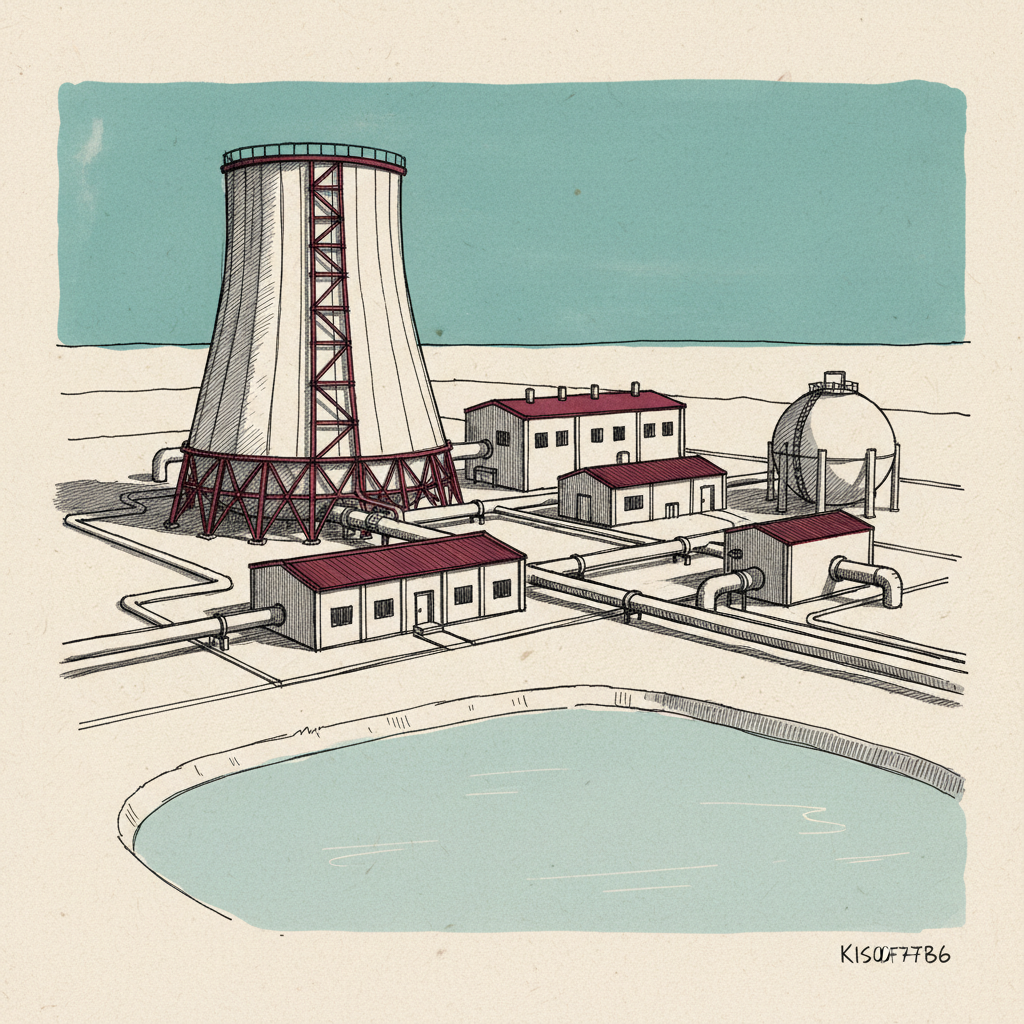
Kiskundorozsma-1
Southern Hungarian gas interconnection point with Serbia, subject to EU capacity-allocation derogation.
Last refreshed: 28 July 2026
Will Brussels grant Hungary's gas capacity exemption before the 5 August 2026 deadline?
Timeline for Kiskundorozsma-1
Mentioned in: ACER builds enforcement stack in 48 hours
European Energy MarketsGB exports gas; Hungary clears €123
European Energy MarketsBackground
Kiskundorozsma-1 is the primary gas interconnection point on the Hungary-Serbia border, located in southern Hungary. The Hungarian energy regulator MEKH submitted a derogation request on 5 February 2026 to ACER under Article 70 of Regulation 2024/1789 (the revised Gas Regulation), seeking an exemption from the CAM (Capacity Allocation Mechanism) Network Code's Article 19, which requires gas transmission operators to offer bundled standard capacity products at interconnection points. ACER published Opinion 06/2026 on 6 May 2026 recommending the Commission grant the derogation; the European Commission has until 5 August 2026 to issue its decision.
The CAM Network Code is the EU-wide framework requiring transmission system operators (TSOs) at cross-border interconnection points to offer capacity products bundled across both sides of the border — designed to reduce transaction complexity for shippers and improve market integration. Article 19 specifically governs how standard capacity products are structured and auctioned. Derogations are available where physical or operational characteristics of an interconnection point make strict compliance technically impractical or economically disproportionate. Hungary-Serbia is not an EU internal border; Serbia remains an EU accession candidate, making the regulatory interface between EU CAM rules and Serbian transmission arrangements a practical complexity that the derogation mechanism is designed to address.
The Kiskundorozsma-1 case is one of seven NRA derogation opinions published by ACER on 6 May 2026, reflecting a wave of post-Regulation 2024/1789 compliance submissions across member states. For Hungary, the outcome matters in the context of Budapest's complex gas supply posture — Hungary remains the EU member state most exposed to Russian pipeline gas via the TurkStream route, and maintaining flexible capacity allocation at its Serbia interconnection is part of its supply-security architecture. Whether the Commission grants, modifies, or refuses the derogation will set a precedent for similar requests at other non-EU interconnection points.
What is the Kiskundorozsma-1 gas interconnection point between Hungary and Serbia?
What is ACER Opinion 06/2026 about?
Why is Hungary applying for an EU gas market derogation?
Written with AI from Lowdown's published reporting. Not individually reviewed by an editor. Updated 28 July 2026. Editorial standards.