Kafala sponsorship system
Gulf migrant Labour system tying workers to a single sponsor employer, limiting mobility and legal recourse.
Last refreshed: 26 April 2026 · Appears in 2 active topics
Are the workers building Gulf AI data centres protected under kafala reforms, or is the old system still running?
Timeline for Kafala sponsorship system
Applied to 5,000 construction workers on the Stargate UAE site
Data Centres: Boom and Backlash: Blackstone £10B Blyth, Amazon €33.7B EUMentioned in: Migrant workers bear the Gulf's losses
Iran Conflict 2026Background
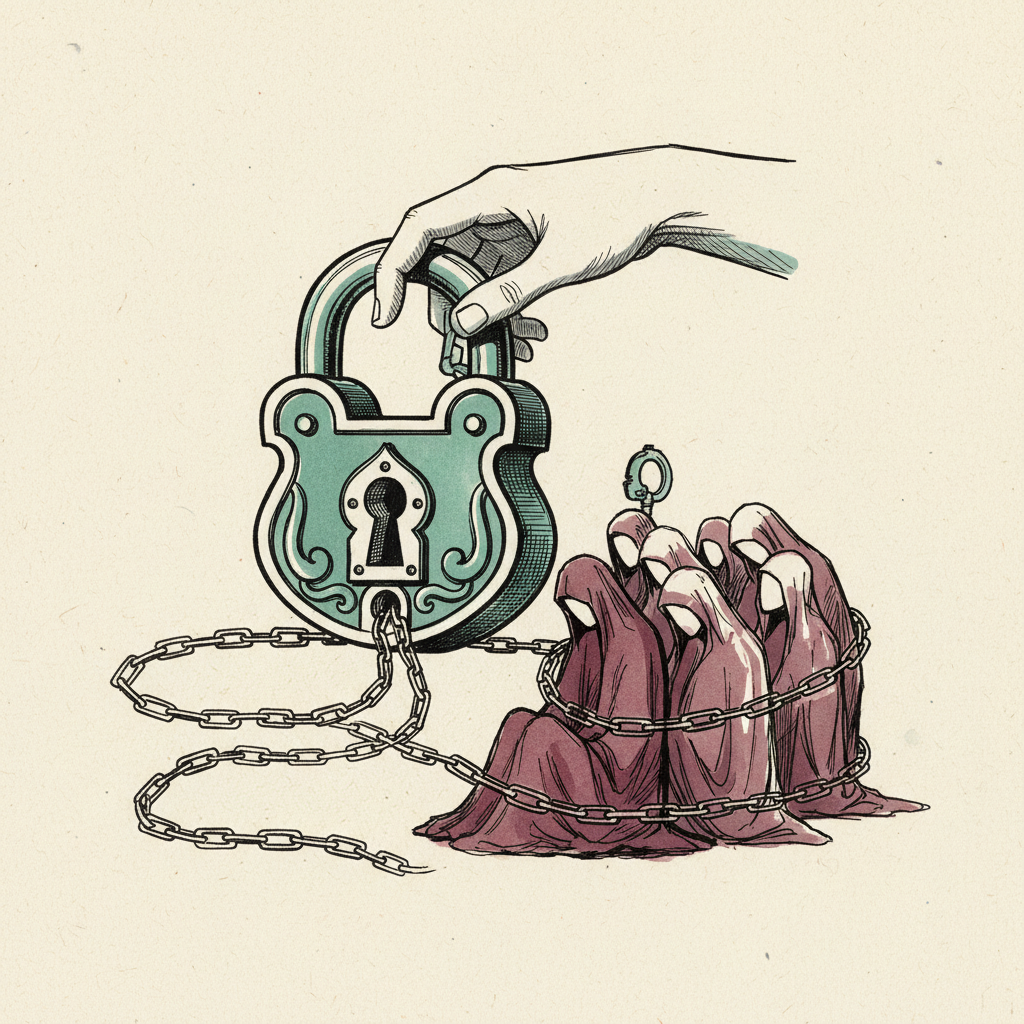
The kafala (sponsorship) system is the Labour governance framework used across the Gulf Cooperation Council states — including the UAE, Saudi Arabia, Qatar, Bahrain, Kuwait, and Oman — under which migrant workers are legally tied to a single employer-sponsor. Workers cannot change jobs or leave the country without sponsor permission, giving employers substantial control and limiting workers' ability to report Labour abuses or seek better conditions. Kafala underpins the workforce that builds Gulf infrastructure, including data centres.
In the Stargate UAE programme, more than 5,000 workers were on-site for the first phase as of April 2026, drawn from The Gulf migrant Labour pool under kafala. Over 100,000 cubic metres of concrete were poured during the initial phase, a construction tempo that Labour advocates say is difficult to achieve without the workforce flexibility kafala provides. The Labour conditions on Gulf AI infrastructure projects have attracted scrutiny from international human rights organisations, particularly following Qatar's 2022 World Cup construction controversies that brought kafala to global attention.
The system has been subject to partial Reform in several Gulf states: Qatar abolished the job-change restriction for most workers in 2020, and the UAE has modified some kafala rules. Critics argue implementation of reforms is inconsistent and enforcement mechanisms remain weak.
What is the kafala system and how does it affect migrant workers?
Are data centre workers in the UAE covered by kafala?
Has the kafala system been reformed in the UAE?
Written with AI from Lowdown's published reporting. Not individually reviewed by an editor. Updated 26 April 2026. Editorial standards.