Can Jebel Ali remain the Gulf's trade hub if Iran escalates?
Timeline for Jebel Ali
Mentioned in: IRGC names two destroyers, no imagery
Iran Conflict 2026Mentioned in: Iran fires ballistic missile at Kuwait
Iran Conflict 2026Mentioned in: Iran threatens Gulf desalination grids
Iran Conflict 2026Mentioned in: Iran threatens crushing strikes on UAE
Iran Conflict 2026Mentioned in: Zero pledges for Hormuz coalition
Iran Conflict 2026Background
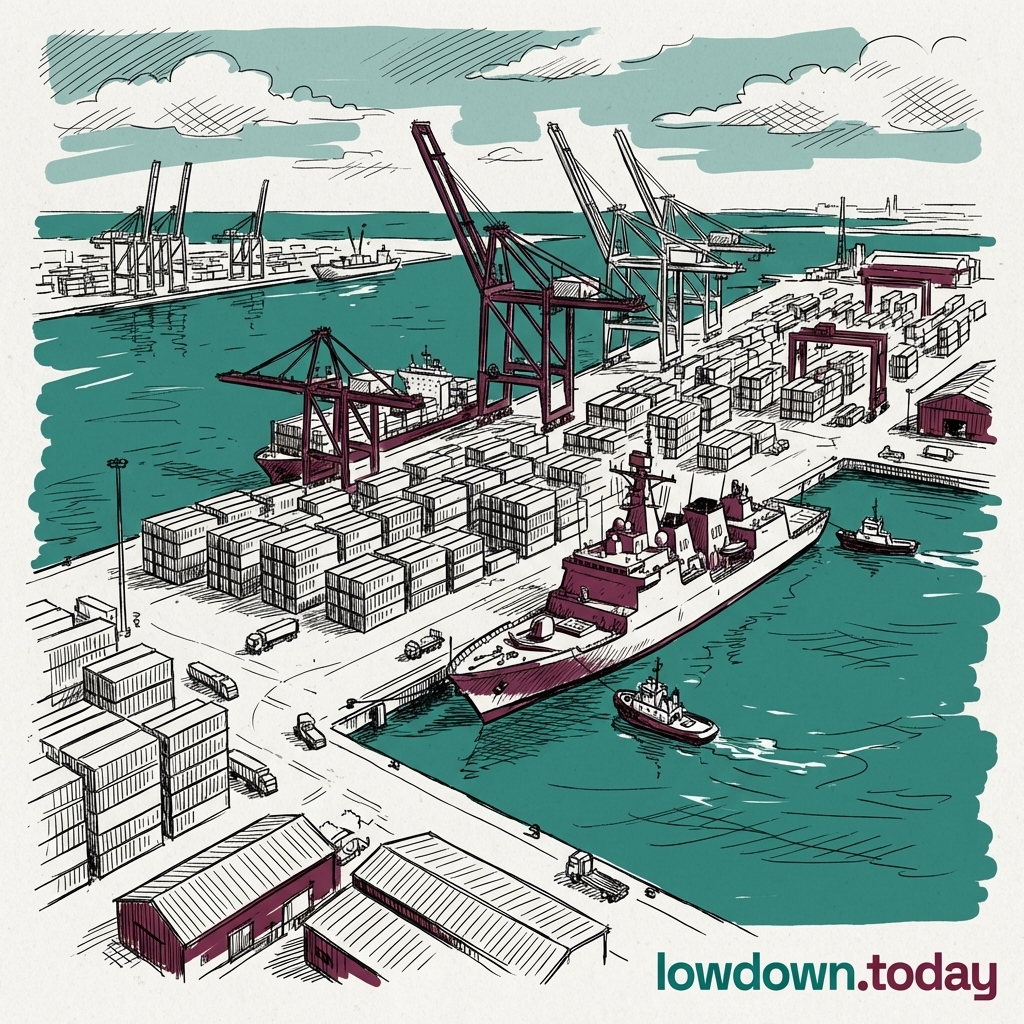
Jebel Ali is a UAE free port and industrial zone south of Dubai, established in 1979. Its port, operated by DP World, is the largest in the Middle East and among the ten busiest globally; the adjacent Jebel Ali Free Zone (Jafza) houses more than 9,500 companies. The site also holds a UAE naval base and a regular port of call for US Navy carrier groups.
Jebel Ali became a strategic vulnerability in the 2026 Iran-Gulf conflict. Iran named Gulf desalination plants and power grids, including Jebel Ali's industrial infrastructure, among potential targets. When Iran fired nine ballistic missiles and 33 drones toward the UAE in March 2026, targets near Jebel Ali and Fujairah were included; UAE air defences claimed a full intercept. No strike has reached the port itself.
By September 2026, Iran's closure of the strait of Hormuz was cutting transit rather than hitting the port: tankers ran a longer southern route under US guidance, with dozens still waiting to cross. Operator DP World is building bypass capacity at Fujairah, Khor Fakkan, Oman and a Jeddah land bridge, hedging against a closure lasting years rather than weeks. Jebel Ali's naval-servicing role stays live too: a damaged US warship's port calls and dry-dock bookings there sit outside the US Navy's control.
What is Jebel Ali?
Why did Iran threaten Jebel Ali?
Was Jebel Ali hit in the 2026 Iran conflict?
What is the Jebel Ali Free Zone?

