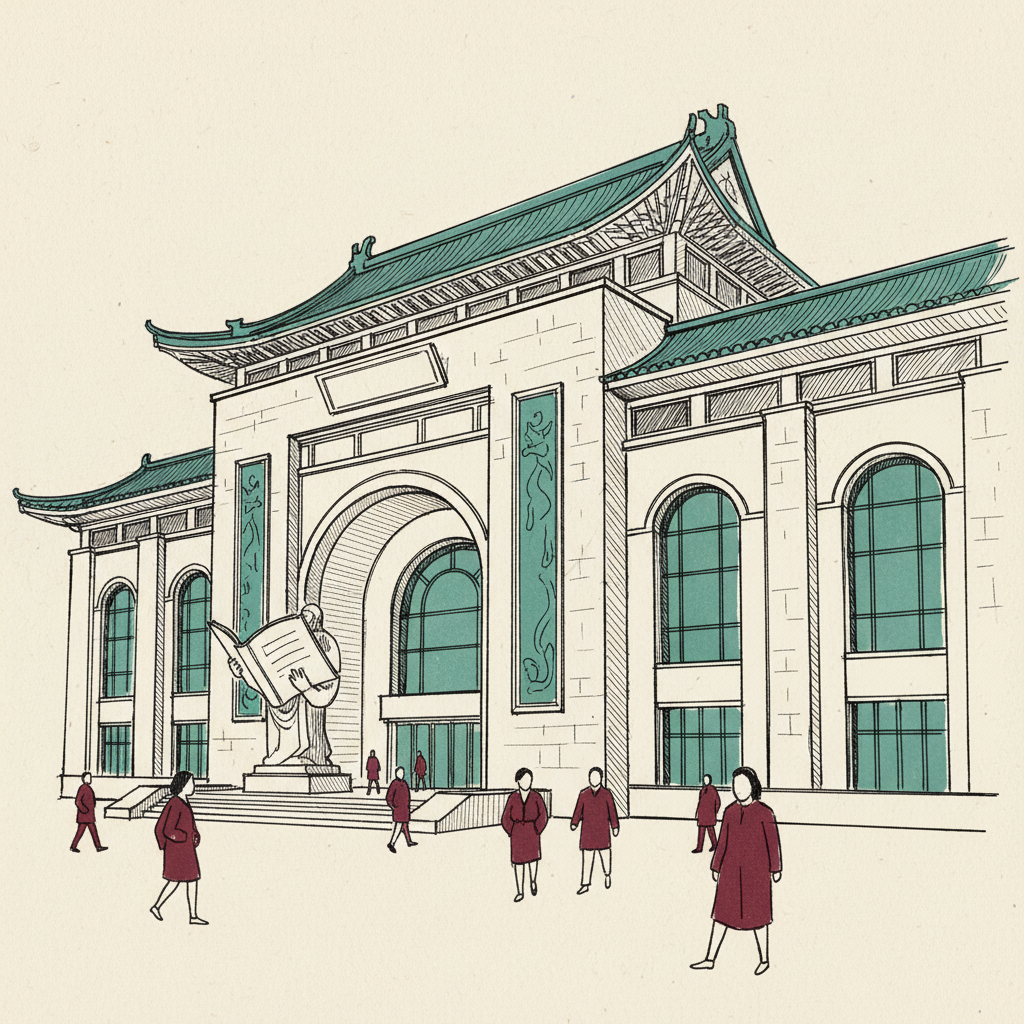
Hangzhou Intermediate People's Court
Hangzhou appeal court; upheld ban on AI-driven dismissal in April 2026.
Last refreshed: 2 May 2026 · Appears in 1 active topic
Can Chinese courts stop AI from replacing you without compensation?
Timeline for Hangzhou Intermediate People's Court
Mentioned in: WARN Act untested: four AI cuts, zero enforcement actions
AI: Jobs, Power & MoneyMentioned in: PayPal phases 4,760 cuts to sidestep WARN Act
AI: Jobs, Power & MoneyMentioned in: Brussels drops binding AI literacy duty in Digital Omnibus
AI: Jobs, Power & MoneyReleased two judgments upholding ban on AI-driven dismissal without retraining
AI: Jobs, Power & Money: Hangzhou court bans AI-driven worker sackingsMentioned in: EU Digital Omnibus second trilogue collapses
AI: Jobs, Power & MoneyBackground
The Hangzhou Intermediate People's Court issued two judgments on 28 and 30 April 2026 upholding lower-court rulings that AI-driven dismissal without prior retraining or reasonable reassignment is unlawful under China's Labour Contract Law. the Court confirmed that cost savings from automation do not constitute a "major change in objective circumstances" sufficient to justify redundancy, placing the legal burden of adaptation on the employer.
the Court sits in Hangzhou, the capital of Zhejiang province and a major hub of China's digital economy. As an intermediate-level court, its rulings carry authority across the district and provide binding precedent within the Zhejiang court hierarchy. The case it affirmed was originally heard by the Yuhang District Court and involved a QA supervisor known as Zhou.
Taken alongside the December 2025 Beijing precedent in the Liu case, the Hangzhou rulings signal an emerging consensus in Chinese Labour jurisprudence that AI automation is an employer-foreseeable strategic choice, not an uncontrollable external circumstance. The two decisions together form the doctrinal backbone for potential national guidance on AI-driven dismissal.