The EU Digital Omnibus second trilogue ended on 28 April 2026 without a deal1. The third trilogue is scheduled for 13 May 2026. The binding AI literacy clause, which would require employers to ensure workers understand the AI systems they interact with, remains contested between the European Parliament and the Council, with the Parliament pushing for a binding obligation and the Council preferring non-binding encouragement language. The 28 April session was flagged as the second trilogue in the run-up and originally placed on the early-April schedule.
Council and Parliament differ on a single procedural word, but the operational gap that word opens is wide. The literacy clause does not regulate AI deployment; it regulates whether the people interacting with AI in the workplace must be told what they are interacting with and how. The Council's preferred non-binding language would let member states decide whether to enforce the obligation. The Parliament's binding version would force employers to provide minimum AI training across the bloc. Neither version creates the kind of dismissal-protection precedent the Hangzhou Intermediate People's Court issued in days; even the literacy clause, if it survives, takes effect at a multi-year horizon.
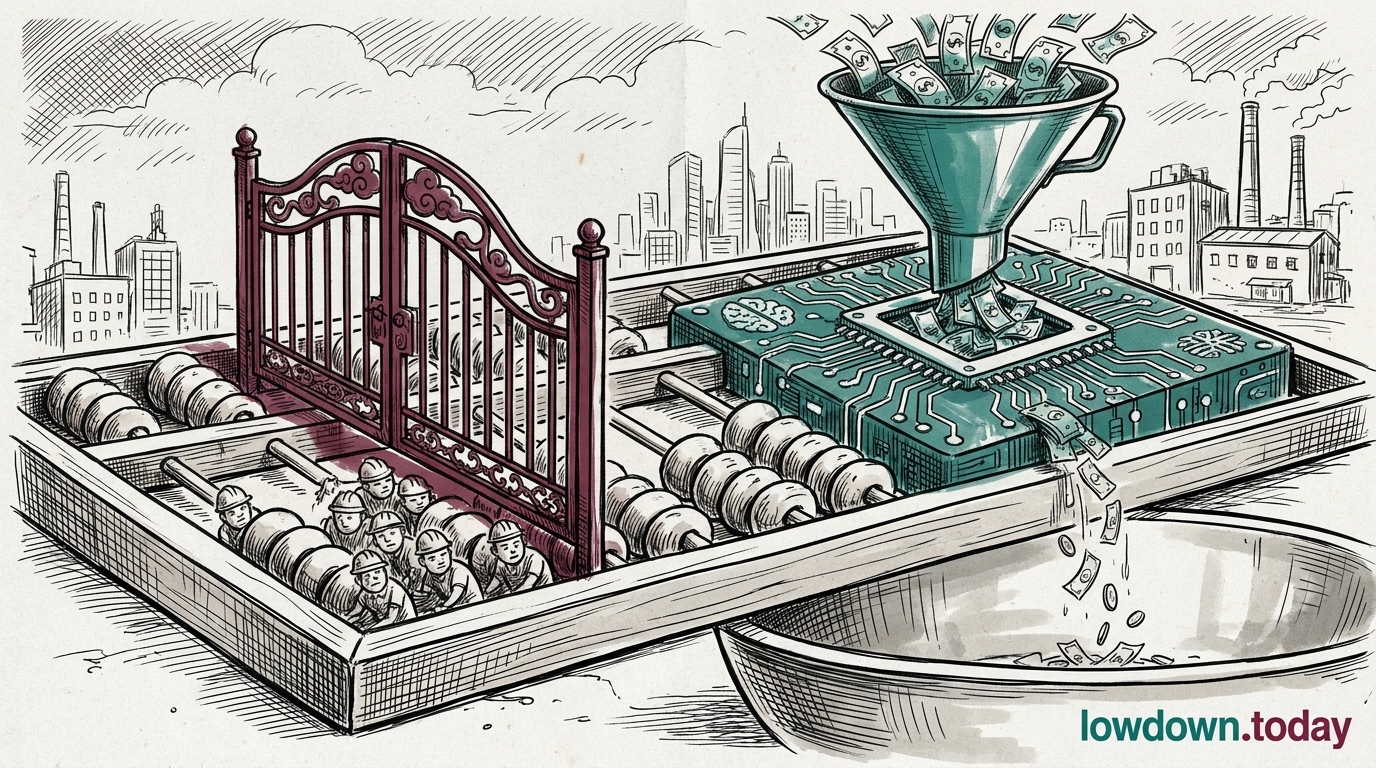
The procedural map across the three jurisdictions tells the briefing's clearest story. Beijing's court ruled in December 2025; Hangzhou's appellate bench affirmed in April 2026; both rulings are citable in any Chinese labour court tomorrow. Brussels' second trilogue collapsed without a deal on a non-binding training obligation. Washington's most viable vehicle, the Warner-Rounds commission, would not deliver an interim report until autumn. Three regulatory routes run at three speeds, with speed inversely correlated to the political pluralism of the system.
European workers face the same protection regime they faced a month ago. The General Data Protection Regulation and the AI Act provide some protection against algorithmic decision-making in specific contexts; neither addresses AI-driven dismissal as such. The 13 May trilogue tests whether the EU's slowest legislative cycle can produce even the lightest workplace protection inside a calendar year.





