Dengue
Mosquito-borne viral fever that can turn severe.
On 10 May 2024, WHO prequalified a live-attenuated Dengue vaccine covering all four serotypes; Dengue itself is spread mainly by Aedes aegypti mosquitoes.
Last refreshed: 22 October 2026 · Appears in 1 active topic
Timeline for Dengue
Doubled in Peru against the same point of 2025
Pandemics and Biosecurity: Peru records first measles death of 2026Mentioned in: Europe's West Nile cases reach 1,765
Pandemics and BiosecurityBackground
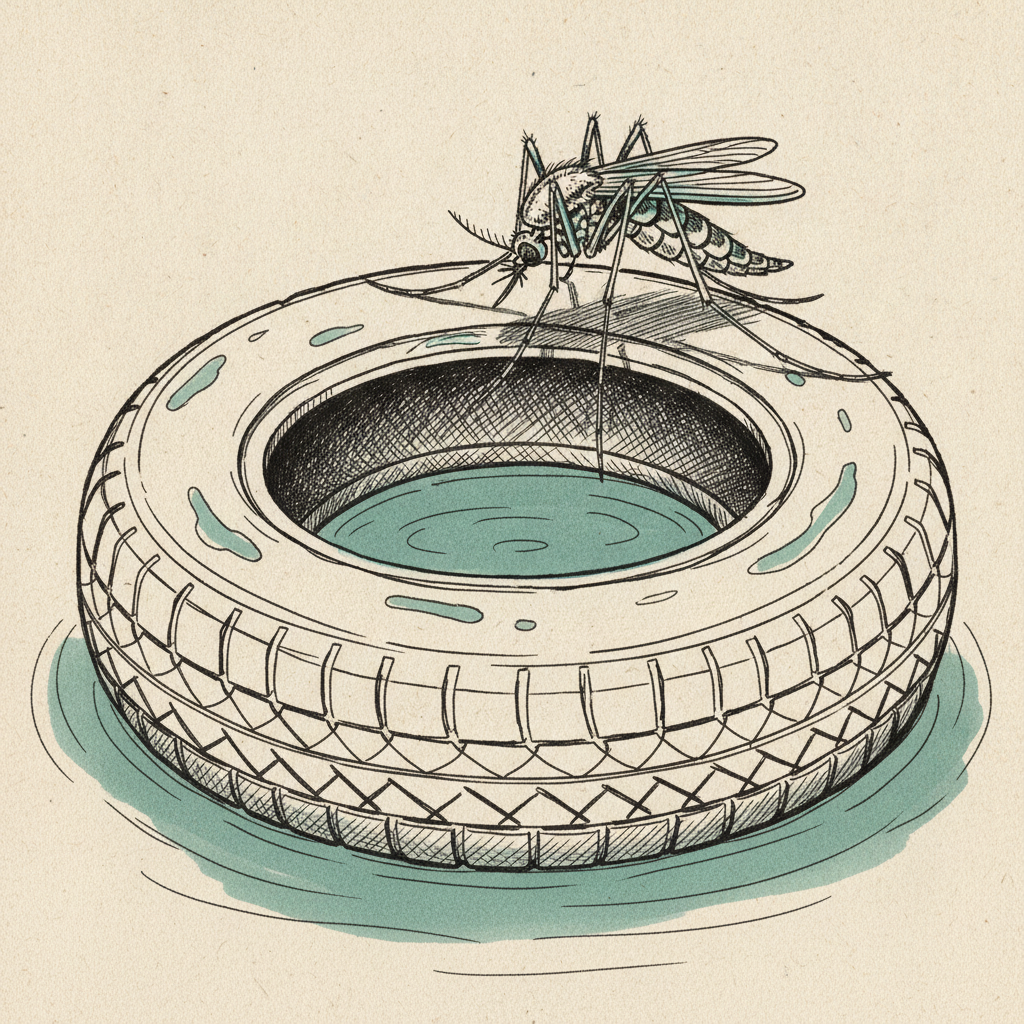
Dengue is a viral disease spread mainly by infected Aedes aegypti mosquitoes. Four related Dengue viruses can cause infection, so a person can contract the disease more than once. The main vector thrives around human homes and breeds in small collections of water.
Most infections cause no symptoms or a flu-like illness with fever, headache, muscle pain and rash. A minority progress to severe Dengue, which can involve bleeding, shock and organ damage. Early recognition and careful fluid management reduce the risk of death.
Clinicians have no routine antiviral treatment for Dengue. Prevention depends on limiting mosquito breeding, avoiding bites and using vaccination where national guidance recommends it. Warm conditions, rainfall, urban growth and travel can expand transmission. Because Aedes mosquitoes live close to people and can breed in containers, control depends on repeated local action rather than a single campaign.
What is dengue?
How many local dengue cases has Italy had in 2026?
What mosquito spreads dengue?







Written with AI from Lowdown's published reporting. Not individually reviewed by an editor. Updated 22 October 2026. Editorial standards.