Damocles
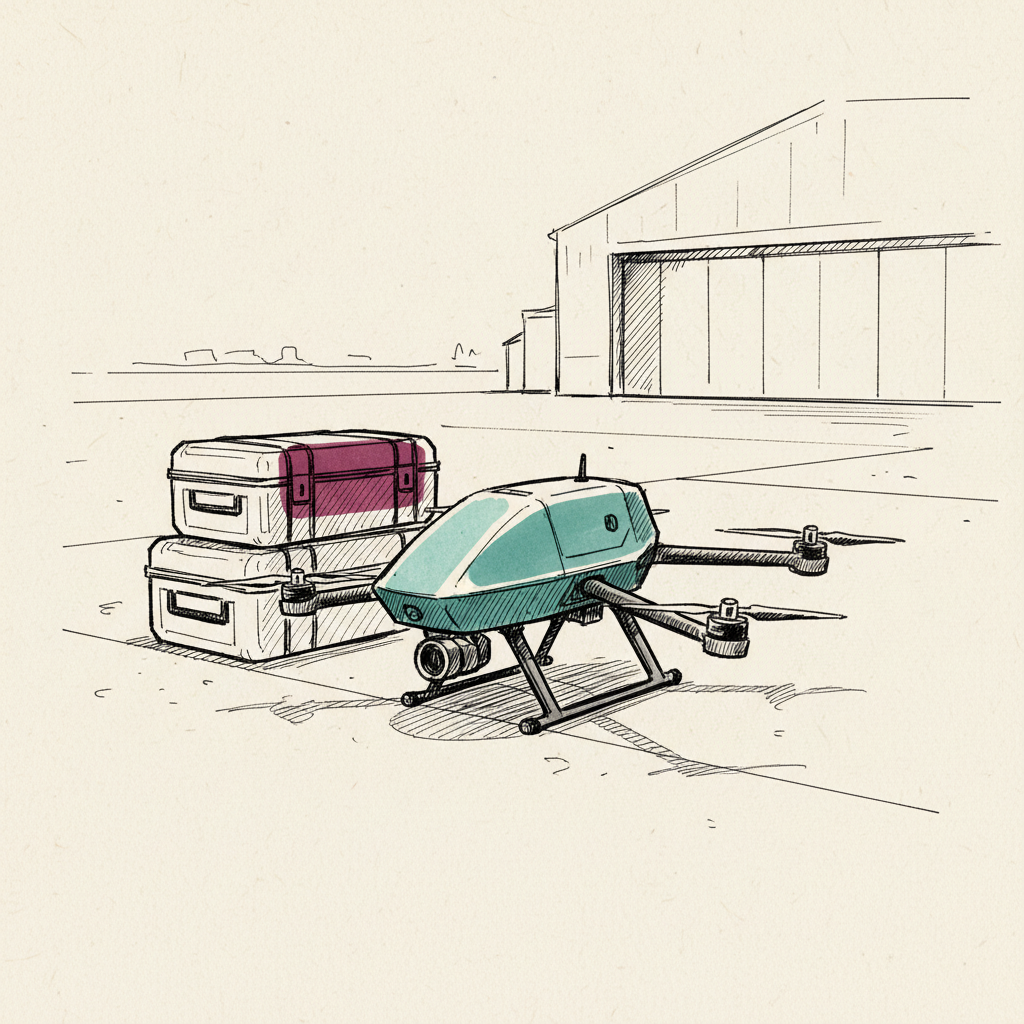
French loitering munition developed by Delair and KNDS, ordered in 2026 as France pivots to attritable small drone mass.
Last refreshed: 29 May 2026 · Appears in 1 active topic
Timeline for Damocles
Mentioned in: Helsing HX-2 confirmed in Ukraine combat
Drones: Industry & DefenceFrance scraps two drones for mass buys
Drones: Industry & DefenceBackground
Damocles is a loitering munition (also called a kamikaze or one-way attack drone) developed by Delair in partnership with KNDS (Krauss-Maffei Wegmann + Nexter Systems). The programme targets the European military market for small, low-cost precision strike munitions validated by the Ukraine and Gulf conflicts. France's April 2026 cancellation of the Safran Patroller and Eurodrone programmes, with an approximate €600 million redirect toward smaller tactical systems, created the procurement opening that Damocles is designed to address.
Damocles builds on Delair's fixed-wing UAV engineering expertise combined with KNDS's ground-forces integration capability and bilateral procurement relationships with the French DGA and German Bundeswehr. The programme is in development and has not yet reached a fielded state as of May 2026. Its competitive landscape includes established European systems such as Helsing's HX-2 (in Ukrainian combat service) and the Rheinmetall/Stark loitering munitions funded under the Bundeswehr's €840 million award.
What is the Damocles drone and who makes it?
Is Damocles in service yet?






